








Contract Lifecycle Management (CLM) has become a vital tool for enhancing departmental efficiency across procurement, legal, and sales. By streamlining contract processes, improving compliance, and reducing risks, CLM helps organizations maximize value and minimize costs. This blog explores why CLM for procurement is essential, legal, and sales departments and how implementing a cross-functional CLM solution can unlock efficiency and drive business success.
TL;DR
- Contract lifecycle management (CLM) for procurement automates the end-to-end contract process — from creation and negotiation through execution, compliance monitoring, and renewal — reducing cycle times by 40–50% and contract-related risks by up to 50%.
- Organizations lose up to 9.2% of annual revenue due to poor contract management. CLM eliminates this leakage by connecting contract data to procurement workflows, supplier performance, and spend analytics.
- Gartner predicts that half of all procurement contract management will be AI-enabled by 2027, with procurement leaders anticipating a 21.7% productivity increase from GenAI within 12–18 months.
- The CLM benefits for procurement extend beyond efficiency: better compliance, stronger supplier relationships, faster sourcing cycles, and measurable cost savings from automated negotiation and renewal management.
- Best-in-class CLM integrates with Source-to-Pay platforms, connecting upstream sourcing decisions to downstream contract execution — ensuring negotiated terms are captured, enforced, and optimized across the contract lifecycle.
- Contract automation powered by agentic AI is the next frontier: autonomous clause review, risk scoring, obligation tracking, and proactive renewal management without manual intervention.
What is Contract Lifecycle Management in Procurement?
Contract lifecycle management (CLM) is the systematic process of managing a contract from inception through negotiation, execution, compliance monitoring, and renewal or termination. In procurement, CLM connects contract data to sourcing decisions, supplier relationships, and spend management — ensuring that every negotiated term is captured, enforced, and optimized throughout the contract’s life.
Unlike basic contract repositories that simply store signed documents, a procurement-focused CLM platform manages the active lifecycle: automating clause libraries and template creation, streamlining multi-party negotiation workflows, routing approvals based on contract value and risk level, monitoring obligations, milestones, and SLA performance, and triggering proactive alerts for renewals, expirations, and compliance risks.
As the Gartner Magic Quadrant for Contract Life Cycle Management (2025) notes, CLM continues to be a strong area of investment across the enterprise, with solutions increasingly integrating AI, analytics, and post-signature performance capabilities. The 2025 evaluation assessed 16 CLM providers, reflecting a maturing market where the boundaries between CLM, sourcing, analytics, and S2P platforms are rapidly converging.
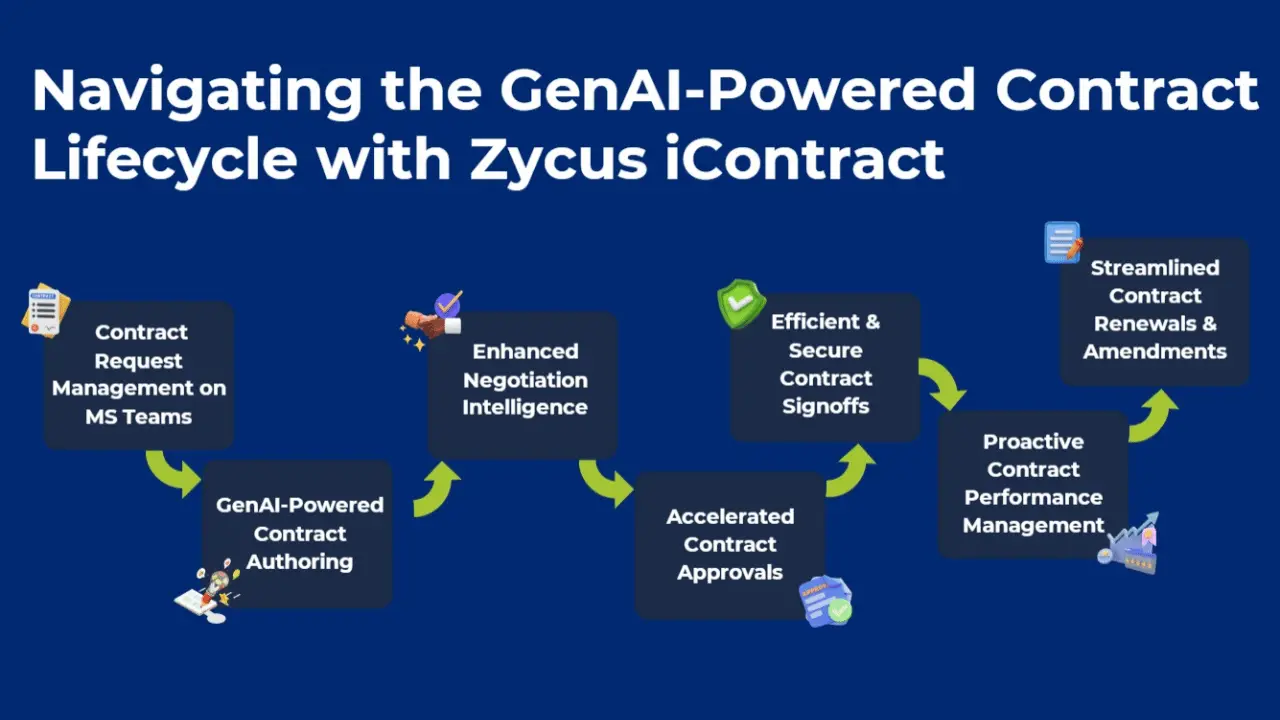
How Contract Lifecycle Management Improves Procurement Efficiency: 6 Key Areas
The CLM benefits for procurement are both operational and strategic. Here are the six areas where contract lifecycle management delivers the most measurable impact on procurement performance.
1. Faster Contract Creation and Reduced Cycle Times
Manual contract drafting is one of the biggest bottlenecks in procurement. Without standardized templates and clause libraries, every new supplier agreement starts from scratch — pulling in legal review, custom redlining, and multiple approval rounds that can stretch procurement cycles by weeks or months.
CLM automates contract creation using pre-approved templates, standardized clauses, and conditional logic that assembles the right terms based on contract type, spend category, risk level, and geography. The result: 40–50% reduction in contract cycle times and significantly fewer legal review bottlenecks. According to McKinsey’s research on AI in finance, organizations using AI-powered contract tools report that finance professionals spend 20–30% less time on data-intensive tasks, freeing them to focus on strategic activities.
2. Automated Compliance and Risk Management
Procurement contracts carry regulatory, financial, and operational risks that compound across hundreds or thousands of active agreements. CLM platforms provide automated compliance checks against company policies, industry regulations, and jurisdictional requirements — flagging non-standard clauses, missing terms, and potential violations before execution.
AI-powered risk analysis takes this further by scoring contracts based on historical patterns, identifying clauses that have led to disputes or financial losses, and recommending risk mitigation language. As Gartner’s Critical Capabilities for CLM research highlights, organizations are demanding CLM features like automated contract review, obligation management, and generative AI capabilities to maintain diligence and integrity at scale. The result: up to 50% reduction in contract-related compliance risks and significantly faster audit readiness.
3. Stronger Supplier Relationship Management
Contracts define the operational backbone of every supplier relationship — pricing, delivery schedules, quality standards, SLAs, and escalation procedures. When contract data is disconnected from supplier management, procurement teams operate with incomplete visibility: they cannot track whether suppliers are meeting contractual commitments, cannot identify underperformance early, and cannot leverage performance data in renegotiations.
CLM integrates contract terms with supplier performance metrics, enabling procurement teams to monitor compliance in real time, identify underperforming suppliers, and take corrective action before issues escalate. This integration also strengthens negotiation leverage: when renewal time comes, procurement has data-backed evidence of supplier performance against contracted KPIs.
4. Measurable Cost Savings and Value Recovery
Contract automation eliminates manual errors, reduces administrative overhead, and — critically — ensures that negotiated savings are actually captured. Research consistently shows that 60–70% of negotiated contract value is lost during execution due to poor contract management: missed rebates, unenforced price escalation clauses, and overlooked volume discount thresholds.
CLM addresses this by actively monitoring contract terms and alerting procurement teams when thresholds are approaching, discounts are available, or pricing deviations occur. As McKinsey’s finance transformation research found, leading organizations have increased efficiency in transactional functions by 39% or more — and the next wave of value will come from operationalizing commercial levers embedded in contracts.
5. Cross-Functional Visibility and Collaboration
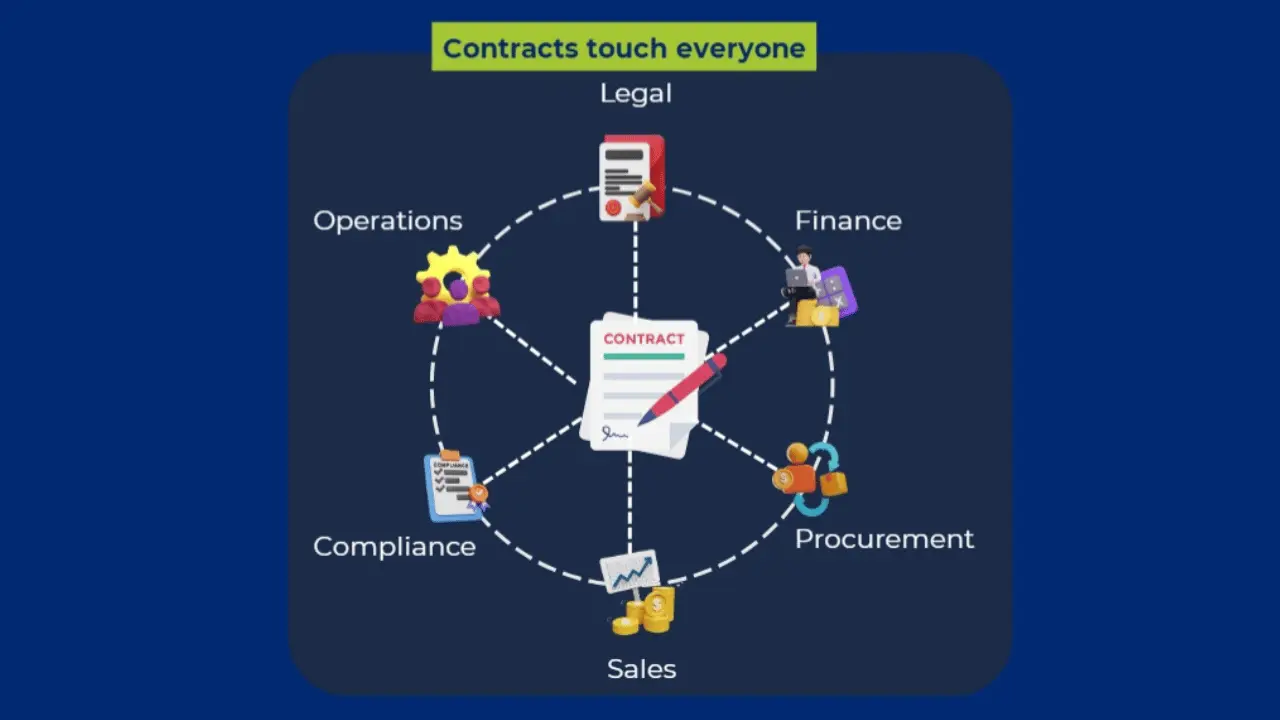
Procurement contracts do not live in isolation. Legal reviews them. Finance tracks payment terms. Operations depends on delivery schedules. Sales references customer-facing agreements. Yet in most organizations, contracts are scattered across shared drives, email threads, and disconnected systems — creating version control nightmares and cross-functional friction.
A centralized CLM platform provides a single source of truth for all contracts, with role-based access, real-time status tracking, and searchable repositories. This cross-functional visibility eliminates the back-and-forth that slows contract processes and ensures that every stakeholder is working from the same version of the agreement. As the Gartner Peer Insights for CLM market definition states, CLM solutions drive visibility, consistency, and efficiency in the contracting process across the enterprise.
6. Proactive Renewal and Obligation Management
Missed renewal deadlines and overlooked obligations are among the most expensive consequences of poor contract management. When contracts auto-renew at unfavorable terms, or when compliance obligations are missed, the financial and operational impact can be significant.
CLM platforms provide automated alerts for upcoming renewals, expirations, milestones, and obligation deadlines — giving procurement teams the lead time they need to renegotiate terms, consolidate suppliers, or exit agreements strategically. This proactive approach transforms contract renewal from a reactive scramble into a planned, data-driven negotiation.
CLM Benefits for Procurement: Before vs. After Implementation
| Procurement Area | Without CLM | With CLM |
| Contract creation | Manual drafting from scratch; weeks to finalize | Template-based with pre-approved clauses; days to finalize |
| Cycle time | 4–8 weeks average | 2–4 weeks (40–50% faster) |
| Compliance checks | Manual review; inconsistent enforcement | Automated policy and regulatory checks at every stage |
| Risk assessment | Reactive; issues found post-execution | AI-powered risk scoring before execution |
| Supplier performance | Disconnected from contract terms | Real-time tracking against contracted KPIs/SLAs |
| Renewal management | Missed deadlines; auto-renewals at old terms | Proactive alerts; planned renegotiation cycles |
| Value capture | 60–70% of negotiated savings lost in execution | Automated monitoring of discounts, rebates, and thresholds |
| Cross-functional access | Scattered across drives, emails, and ERPs | Centralized, searchable, role-based repository |
| Audit readiness | Manual compilation; days to pull records | Complete audit trail with instant retrieval |
CLM for Procurement: Streamlining Supplier Relationships
CLM for Procurement is essential for managing the complexities of supplier relationships management. Effective Procurement CLM systems provide a centralized repository for all contracts, offering visibility and control over procurement processes. Here’s how CLM enhances procurement efficiency:
- Streamlined Contract Creation and Approval: By automating contract creation using templates and pre-approved clauses, procurement teams can accelerate contract approvals, reducing the time required to engage suppliers. Zycus’s iContract, for example, can reduce contract cycle times by up to 50%.
- Enhanced Compliance and Risk Management: Procurement CLM tools provide automated compliance checks, ensuring contracts adhere to company policies and regulatory standards. This reduces the risk of non-compliance and associated penalties. Zycus’s solution also offers AI-powered risk analysis to identify and mitigate potential risks proactively .
- Improved Supplier Performance Management: By tracking contract terms and supplier performance metrics, CLM enables procurement teams to manage supplier relationships more effectively. It helps in identifying underperforming suppliers and taking corrective actions. The use of CLM has shown to improve compliance and reduce contract-related risks by up to 50% .
- Cost Savings: Automating contract management reduces manual errors and administrative costs. Additionally, CLM facilitates better negotiation outcomes by providing insights into contract terms and supplier performance data.
Telekom Malaysia’s Journey to Procurement Efficiency with CLM
CLM for Legal: Ensuring Compliance and Reducing Risk
Legal Contract Management (CLM for Legal) is crucial for maintaining compliance and managing legal risks. The legal department relies on CLM to ensure all contracts are reviewed, approved, and compliant with internal and external regulations. Here’s how CLM benefits the legal team:
- Automated Contract Review and Approval: CLM systems provide workflow automation, guiding contracts through the necessary review and approval stages. This reduces bottlenecks and ensures that legal review is completed efficiently. Zycus iContract offers GenAI-powered approval workflows, which can suggest optimal approval pathways based on historical data and contract type .
- Improved Document Management and Retrieval: With CLM, all contracts are stored in a centralized, searchable repository. This makes it easy for legal teams to access documents, track changes, and retrieve contracts when needed. Automated risk alerts and metadata extraction further enhance visibility and control over contract data .
- Risk Mitigation: CLM systems help legal teams identify and mitigate potential risks by providing tools for contract compliance monitoring and risk assessment. Automated alerts can notify legal teams of potential compliance issues or contract expirations. Zycus’s CLM solution provides real-time risk analysis, which helps in proactively managing contract risks .
- Audit and Compliance: CLM facilitates audit readiness by providing a clear audit trail of contract activities. Legal teams can easily demonstrate compliance with contractual obligations and regulatory requirements, thereby reducing the risk of legal disputes and penalties .Read our whitepaper: Enhancing Business Compliance with Advanced Contract Lifecycle Management (CLM) Strategies
CLM for Sales: Accelerating Revenue and Enhancing Customer Experience
Sales Contract Management (CLM for Sales) plays a vital role in streamlining the sales process, reducing cycle times, and improving customer satisfaction. By integrating CLM into sales operations, organizations can unlock several benefits:
- Faster Contract Creation and Execution: Sales teams can use predefined templates and automated workflows to generate contracts quickly. This reduces the time from proposal to contract signing, accelerating revenue recognition. Zycus’s iContract can cut contract cycle times by up to 50%, allowing sales teams to close deals faster .
- Increased Sales Efficiency: CLM systems provide sales teams with real-time visibility into contract status, enabling them to track progress and follow up as needed. This reduces administrative burdens and allows sales representatives to focus on selling. The integration of CLM with CRM systems like Salesforce ensures seamless contract management within the sales pipeline .
- Better Customer Experience: By automating contract management, sales teams can provide a seamless experience for customers. Faster contract turnaround times and clear communication improve customer satisfaction and build stronger relationships.
- Revenue Optimization: CLM provides insights into contract terms and pricing, enabling sales teams to identify upsell and cross-sell opportunities. It also ensures that contract renewals and pricing adjustments are managed efficiently. Using Zycus’s CLM can improve sales efficiency by optimizing contract terms based on market data and historical performance .
Cross-Functional Benefits of CLM
Implementing a cross-functional CLM solution provides numerous benefits that extend beyond individual departments:
- Improved Collaboration: A unified CLM system facilitates collaboration between procurement, legal, and sales teams. It ensures that everyone is working with the same information and following the same processes, reducing misunderstandings and conflicts .
- Enhanced Visibility and Reporting: CLM systems offer real-time dashboards and reporting tools that provide insights into contract status, performance, and compliance across the organization. This visibility enables better decision-making and strategic planning .
- Standardization and Consistency: By using standardized contract templates and approval workflows, CLM ensures consistency in contract management. This reduces errors, improves compliance, and streamlines the contract lifecycle .
- Cost and Time Savings: Automating contract management processes reduces manual work, minimizes errors, and accelerates contract cycle times. This leads to significant cost savings and frees up resources to focus on strategic initiatives.
Conclusion
Incorporating Contract Lifecycle Management into procurement, legal, and sales departments is not just a trend; it’s a necessity for driving efficiency and achieving business goals. CLM for Procurement optimizes supplier relationships and ensures compliance, CLM for Legal mitigates risks and enhances document management, and CLM for Sales accelerates revenue and improves customer satisfaction. A cross-functional CLM solution unifies these benefits, providing a holistic approach to contract management that drives departmental efficiency and organizational success.
Organizations looking to streamline their contract management processes and enhance departmental efficiency should consider implementing a robust CLM solution like Zycus iContract. By doing so, they can unlock the full potential of their procurement, legal, and sales teams, ensuring compliance, reducing risk, and driving business growth.
Ready to transform your contract management processes? Learn more about how Zycus iContract can help your organization achieve efficiency and compliance. Schedule a demo with Zycus today.
FAQs
Q1. What is contract lifecycle management in procurement?
Contract lifecycle management (CLM) in procurement is the end-to-end process of creating, negotiating, executing, monitoring, and renewing supplier contracts using a centralized, typically AI-powered platform. It replaces manual, fragmented contract workflows with automated processes that reduce cycle times, improve compliance, strengthen supplier relationships, and ensure that negotiated terms are enforced throughout the contract’s life.
Q2. What are the main CLM benefits for procurement teams?
The primary CLM benefits for procurement include faster contract cycle times (40–50% reduction), automated compliance and risk management (up to 50% fewer contract-related risks), stronger supplier performance tracking, measurable cost savings through value capture monitoring, cross-functional visibility via centralized repositories, and proactive renewal management that prevents missed deadlines and unfavorable auto-renewals.
Q3. How does contract automation differ from a contract repository?
A contract repository is a storage system for signed documents. Contract automation, the core of modern CLM, actively manages the entire contract lifecycle: it assembles contracts from clause libraries, routes them through approval workflows, monitors obligations and performance post-signature, and triggers alerts for renewals and compliance risks. The difference is between a filing cabinet and an intelligent workflow engine.
Q4. How does CLM improve procurement compliance?
CLM improves compliance by automating policy checks at every stage of the contract lifecycle. Before execution, the system validates clauses against company policies, regulatory requirements, and jurisdictional rules. During execution, it monitors obligations, tracks milestones, and flags deviations. For audit purposes, CLM maintains a complete audit trail of every change, approval, and communication. Gartner’s CLM research highlights that organizations are increasingly demanding these automated compliance capabilities as contract volumes grow.
Q5. What role does AI play in contract lifecycle management?
Gartner predicts that 50% of procurement contract management will be AI-enabled by 2027. AI in CLM currently powers intelligent contract review and clause extraction, risk scoring based on historical contract data, automated negotiation recommendations, natural language search across contract repositories, and obligation tracking and proactive renewal triggers. The next evolution is agentic AI that autonomously manages routine contracts end-to-end.
Q6. Why should CLM be integrated with Source-to-Pay rather than deployed standalone?
Standalone CLM manages documents. Integrated CLM manages outcomes. When contract data flows directly into procurement, invoicing, and payment systems, organizations can match invoices against contract pricing automatically, track actual spend against contracted terms, enforce compliance across the procure-to-pay cycle, and capture negotiated savings that would otherwise be lost. Research shows only 28% of organizations actively manage contract performance post-signature — integration is how the other 72% close the gap.
Related Reads:
- 5 Reasons Why You Need a Contract Management Software
- Ultimate Guide to Contract Management: Benefits & Best Practices
- The Greatest Contract Ever Signed
- Solution: GenAI-Powered Contract Management Software
- Analyst Report: Contracts as a Connector – The case for improved contract management
- Whitepaper: The Why, What & How of Contract Management