






TL;DR
- Procure to Pay and Source to Pay are core procurement processes, but they serve different purposes—P2P focuses on transactional execution, while S2P enables strategic, end-to-end procurement.
- Procure-to-Pay (P2P) manages operational steps from purchase requisition to invoice payment after suppliers are selected.
- Source-to-Pay (S2P) starts earlier, covering strategic sourcing, supplier onboarding, contract management, procurement, and payment.
- S2P delivers greater visibility, control, and risk mitigation, while P2P prioritizes speed, accuracy, and process efficiency.
- AI-led, integrated S2P and P2P platforms automate workflows, improve compliance, reduce costs, and accelerate procurement cycles.
- Organizations adopting end-to-end S2P suites achieve better supplier relationships, smarter negotiations, and higher realized savings.
Despite the ubiquity of procure to pay and source to pay processes in the world of procurement, some still confuse the two, let alone S2C or P2O or the several other acronyms we’ve coined for parts of these processes.
So, let’s set the record straight, shall we?
While procure to pay solutions typically sidesteps supplier identification/onboarding, etc. and starts with raising a purchase requisition for a product or service & ends with payment to the vendor for the goods or services purchased, source-to-pay covers a larger milieu, including strategic sourcing activities such as supplier onboarding & management, and contract management.
Our guide explores Source to Pay vs Procure to Pay to help you get the best out of both processes, for your organization.
What is Procure to Pay (P2P)
Procure-to-pay integrates two important functions – procurement of goods or services and accounts payable. It encompasses all the steps a business engages in when buying a product or service from an external vendor to the time the vendor dues are settled. The various stages in procure-to-pay process comprise:
1. Identifying the need: The need to procure goods or services may be triggered by many factors such as low inventory levels, new project requirements etc.
2. Vendor selection: For a P2P purchase, vendors have typically been contracted & onboarded. All a requisitioner needs to do is pick from the catalog, and proceed.
3. Generating a purchase requisition: Once the vendor is identified, a purchase requisition is raised with details of the item to be purchased (quantity, price) and sent to the respective department heads and the buyer group for approval.
4. Purchase order creation: The next step is to raise a purchase order to send to the vendor mentioning the details of the items required (quantity, price) and terms of payment.
5. Receiving goods: On receipt of goods the buyer inspects and verifies the goods against the purchase order.
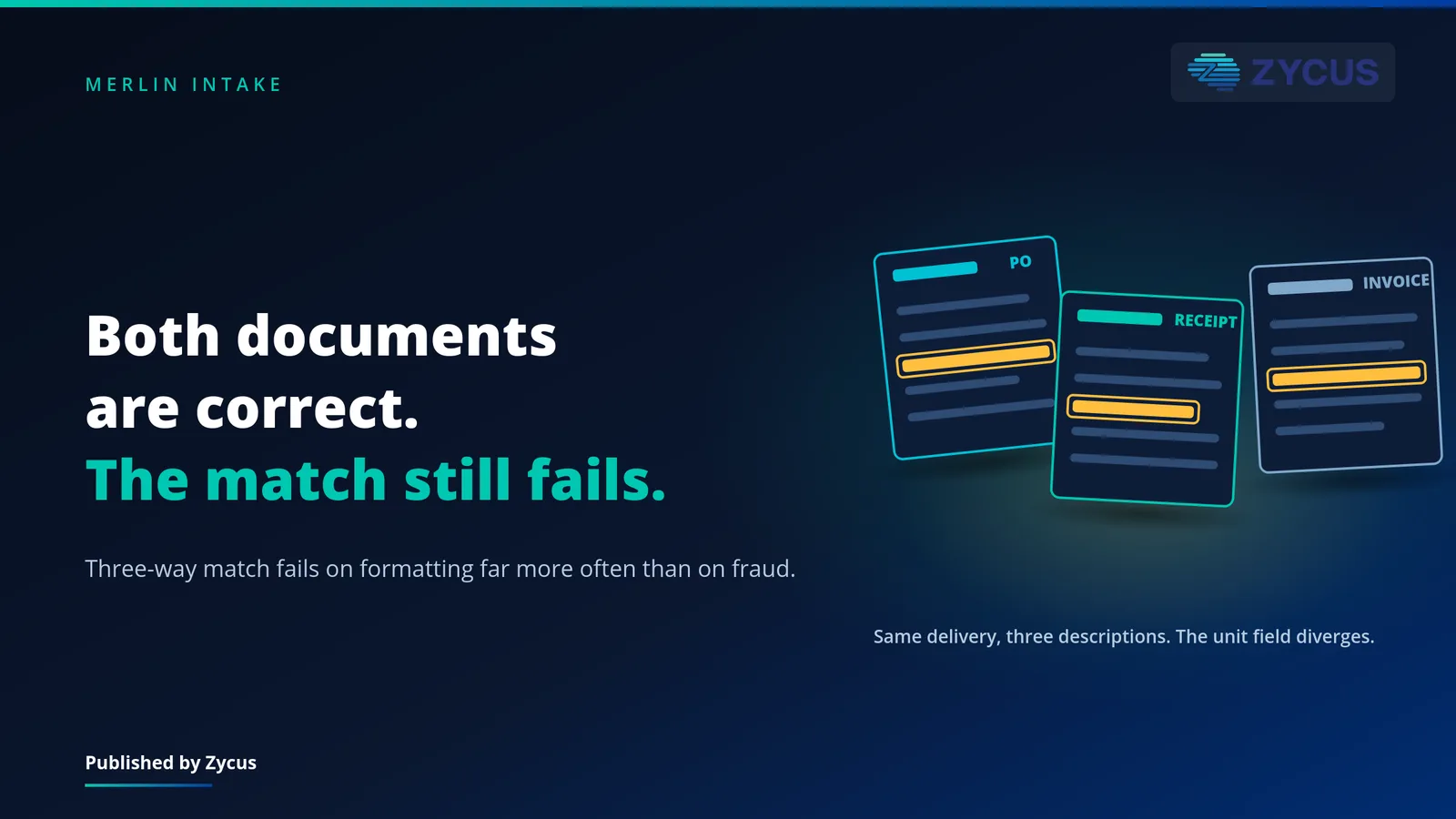
6. Processing the invoice: Once the supplier sends the invoice the accounts payable team matches it with the corresponding purchase order. If your AP invoice processing is sophisticated enough, a 3-way, or even 4-way matching is conducted.
7. Releasing the payment: The final step is to release the payment as per the terms agreed.
Explore Zycus’ Procure to Pay software
Though the process may seem straightforward, the complexity increases given the various external parties involved and many other variable factors. Procure-to-pay primarily focuses on the operational aspects of procurement.
To dive deeper, check out P2P Process | The Ultimate Transformation Guide
What is Source to Pay
Source-to-pay includes all the functions of procure-to-pay but has an additional arm of strategic sourcing activities, addressing aspects of sourcing vs procurement, including supplier onboarding & management and contract management among others. S2P essentially starts two steps ahead of P2P and typically comprises the following steps:
1. Strategic Sourcing: This entails identifying, assessing, selecting, and building a pool of dependable suppliers based on pricing, quality, market feedback, and compliance with an objective to forge long-term partnerships with them. The identification & assessment procedure is where the ‘strategy’ comes in, with organizations introducing constraints such as vendor proximity, reputation, ESG considerations, etc. to narrow down the list.
2. Contract Management: Once the supplier is deemed suitable, the negotiation phase begins. This involves working out details regarding price, delivery, payment terms, quantity, and quality of goods/services. It’s crucial to establish clear expectations on both sides.
3. Supplier Onboarding: The next step is to onboard the identified suppliers. This entails registration on a supplier portal, and reviewing critical information.
4. Supplier Management: Procurement typically ‘manage’ two aspects of suppliers risk & performance.
Risk – to ensure the organization is sufficiently guarded against any unexpected disruptions to supply.
Performance – to ensure suppliers are meeting standards of quality & punctuality
5. Procure-to-Pay (P2P): Now comes procure to pay software which is essentially all the steps explained above.
The analytics capability of source-to-pay provides data that highlights aspects of sourcing vs procurement, enabling procurement teams to negotiate better prices and payment terms with suppliers and manage cash flows more efficiently.
Advantages and Disadvantages of Source to Pay and Procure to Pay
Advantages of Source to Pay
- Provides a more holistic view of the procurement process
- Can help to identify and eliminate inefficiencies
- Can improve supplier relationships
Disadvantages of Source to Pay
- Can be more complex to implement
- May require more resources
Advantages of Procure to Pay
- More streamlined and efficient process
- Can help to reduce costs
Disadvantages of Procure to Pay
- Does not take into account the strategic aspects of procurement
- May not be as effective for complex purchases
Source to Pay vs Procure to Pay – The Key Differences
| Feature | Source to Pay (S2P) | Procure to Pay (P2P) |
|---|---|---|
| Scope | End-to-end procurement process, from identifying needs to final payment | Focuses on operational tasks involved in purchasing and paying for goods/services |
| Key Activities |
|
|
| Focus | Strategic, holistic view of procurement | Tactical, operational efficiency |
| Key Benefits |
|
|
Once the difference is clear, the next step is choosing an S2P platform trusted by enterprise procurement leaders
Advantages of using an integrated Source to Pay and Procure to Pay Suites
An AI-led procure to pay and source to pay suites comes with a plethora of benefits making it a perfect fit to meet the multifarious expectations from procurement nowadays –
1. Automates & augments erstwhile manual tasks: While basic RPA automates tasks, AI significantly boosts efficiency by categorizing and tracking of expenditures, identifying potential suppliers based on specific criteria, scanning contract terms and conditions for risks and discrepancies, verifying and matching invoices with purchase orders and delivery receipts etc.
2. Savings from the get-go: AI helps organizations set up autonomous sourcing events, offering great customization in the constraints/parameters they’d like for their suppliers to meet, creating a competitive environment, optimizing for your best outcome.
3. Builds compliance: Access to your contract repository & being up-to-date on the latest regulations & laws helps AI ensure your buyers never stray out of contract, minimizing maverick spend, and ensuring your legal reputation remains intact.
4. Facilitates collaboration and communication: The suppliers and internal business teams are on a common platform which ensures transparency in communication and processes leaving no room for any leakages, frauds, and unnecessary delays.
5. Minimizes risk: Early detection of risk-incurring events, and intelligent recommendations on courses of action or alternate suppliers ensure your supply chain is pristine.
6. Analytics: Perhaps the biggest advantage is the Cognitive Analytics potential that an AI-led procure to pay solutions lays the bedrock for, making the overall procurement function more efficient and ensures exponential benefits.
Discover Zycus’ comprehensive S2P & P2P suites now!
The Zycus advantage
Zycus prides itself on a fully organic, built-on-a-single-codebase procure to pay solutions, ensuring seamless transfer of data & functions between modules. What’s more, our cutting-edge Merlin AI, whose development is guided by our customers’ most pressing concerns, ensures a new level of performance.
Dream Live a Cognitive Future Present with advancements such as:-
1. Merlin Intake, a guided buying AI-powered chatbot, ready to ameliorate your procurement troubles right from your Microsoft Teams console.
2. Merlin AP SmartDesk, a turbo-powered tool to drive AP efficiency for all types of PO & non-PO invoices, vendor query management and fraud prevention.
3. Merlin InstaReview, ensuring faster turn-around from authoring to signing of all contracting (Sales, Purchase etc.) needs with tighter risk management and analytics.
Want to see Merlin AI in action? Book a free demo to witness the procurement revolution!
Real-World Success Stories: Deacero’s Experience
Integrating Zycus’ GenAI-based Source-to-Pay Platform has brought significant benefits to numerous organizations, including Deacero.
FAQs
Q1. What is the core difference between Source-to-Pay (S2P) and Procure-to-Pay (P2P)?
The main difference between Source-to-Pay (S2P) and Procure-to-Pay (P2P) lies in their scope. Procure-to-Pay (P2P) is a transactional process that begins once a buying requirement is identified and a supplier is chosen. It covers purchase requisitions, purchase order (PO) generation, goods receipt, invoice processing, and accounts payable. Source-to-Pay (S2P) is the full end-to-end cycle. It includes the entire P2P pipeline but starts earlier with strategic activities like spend analysis, supplier discovery, sourcing events (RFx), contract negotiation, and lifecycle management. In short, P2P is a subset of S2P — P2P handles execution, while S2P covers strategy plus execution. Zycus integrates both in an AI-native suite, so the sourcing parameters defined upstream automatically govern downstream buying.
Q2. How does an integrated Source-to-Pay suite drive more value than standalone P2P software?
Standalone P2P software handles execution tasks like invoices and POs well, but it has no visibility into upstream data. This leads to maverick spend and off-contract buying. It also creates value leakage — when contracts live in a separate system, pricing updates, rebate tiers, and compliance clauses rarely sync with the purchasing tool. Teams end up paying incorrect invoice prices or missing volume commitments. An integrated S2P suite solves both problems by uniting contract management, supplier performance, and spending data on one platform. When a requisition is raised, the system checks pre-negotiated contracts, preferred supplier lists, and historical spend. The Zycus platform uses built-in AI agents to bridge these phases, so downstream buying always benefits from upstream negotiated savings.
Q3. Why should enterprise organizations prioritize upstream sourcing over downstream execution?
Enterprise organizations cannot achieve sustainable cost reduction through transaction speed alone. Upstream procurement activities — category management, strategic sourcing, and contract negotiation — shape the majority of total product cost and risk exposure. Prioritizing upstream work helps organizations choose the right partners, lock in better pricing, and build resilient supply chains. Downstream tools only execute what upstream has already decided. So if upstream is weak, downstream efficiency cannot make up for it. Zycus helps CPOs orchestrate both phases through Generative AI applied across the full S2P cycle, so upstream risk assessments and contract terms automatically guide downstream buying behavior.
Q4. How does the S2P lifecycle eliminate maverick spend across an enterprise?
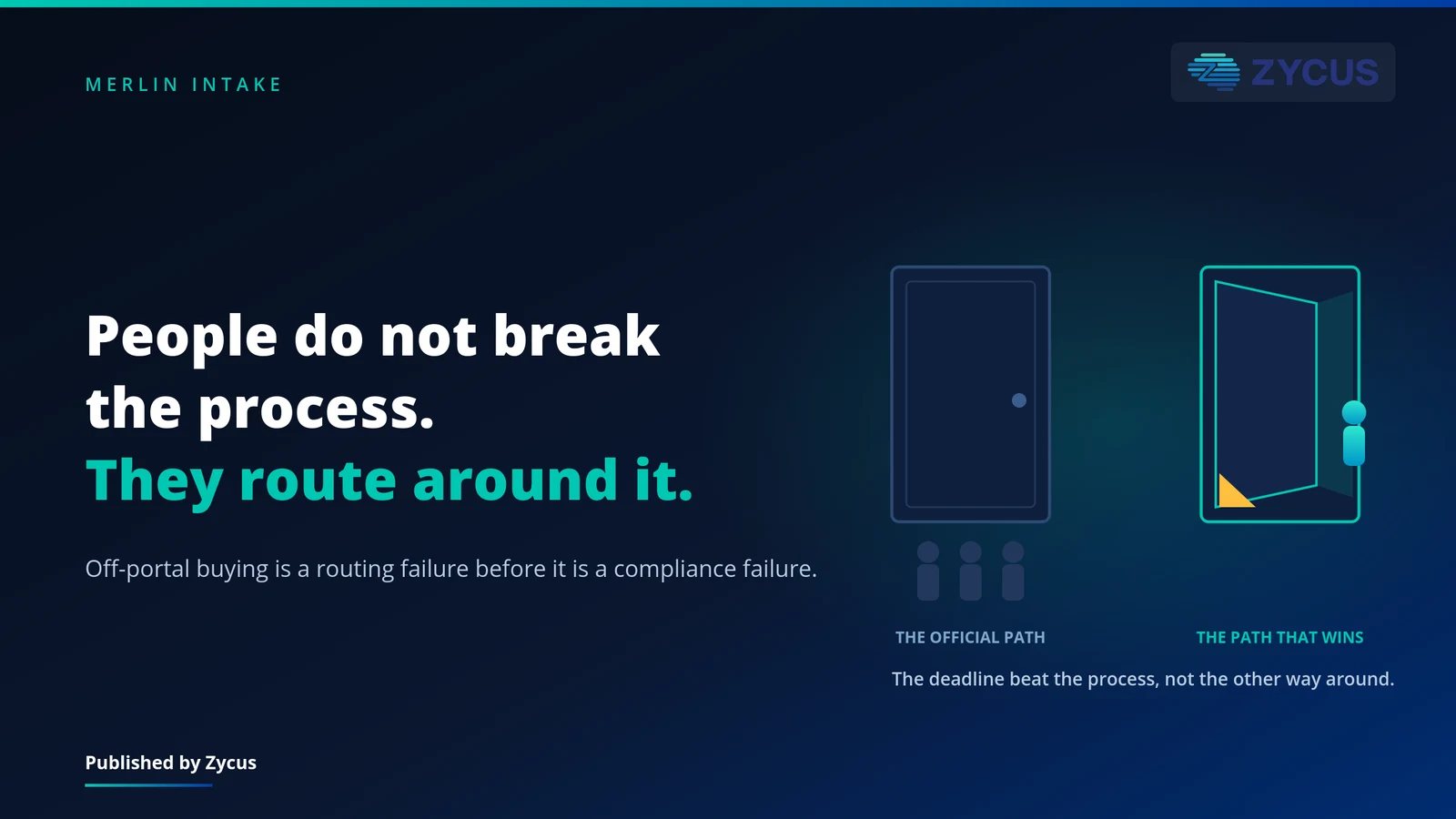
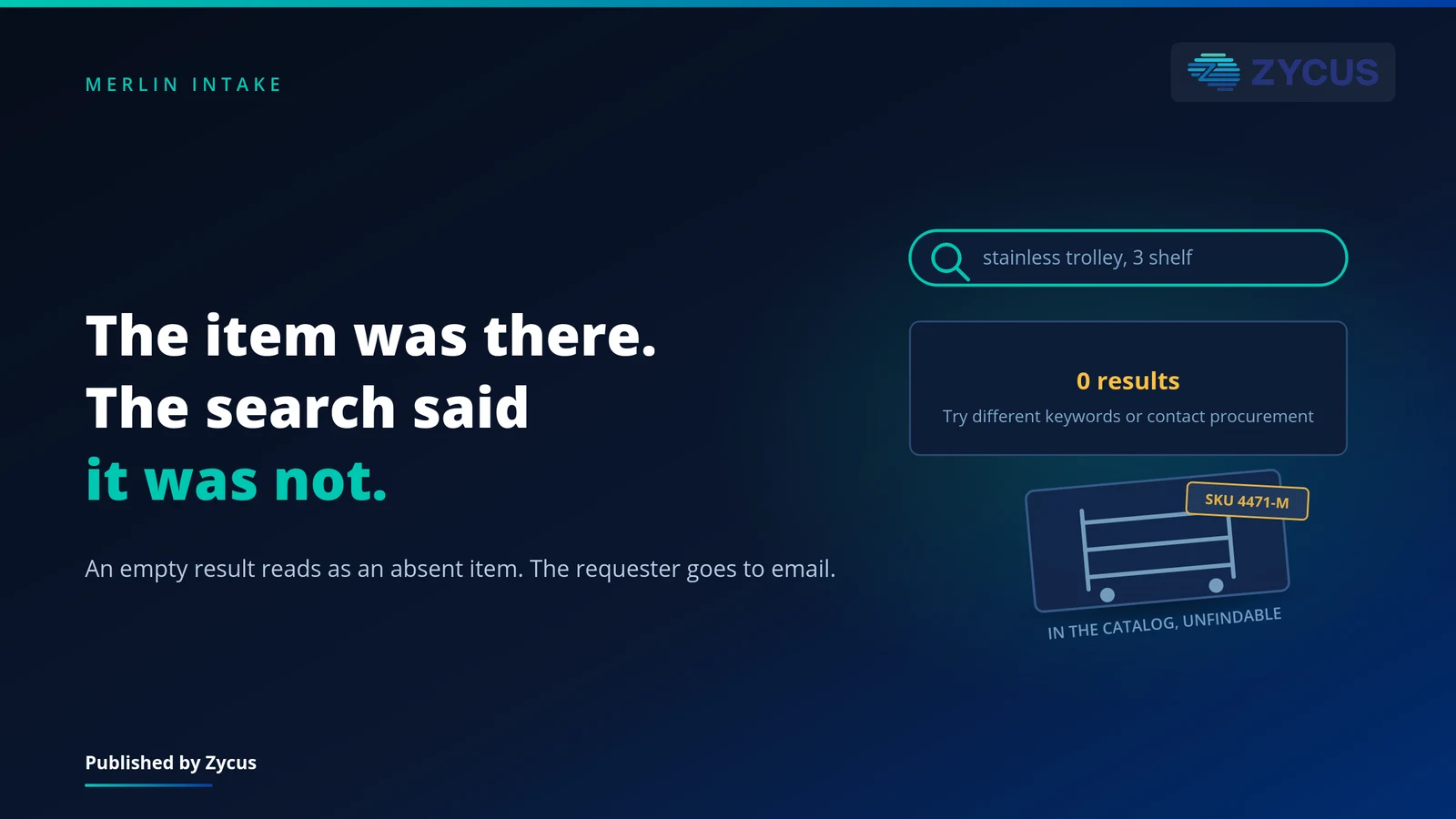
Maverick spend happens when business units buy outside contracted supplier agreements, usually because the procurement tools are too clunky to use. An end-to-end S2P lifecycle reduces this by setting up structured intake management. When a user requests an item, the platform guides them to pre-negotiated supplier catalogs. If no catalog exists, the platform automatically triggers a fast-tracked sourcing event. Zycus minimizes maverick spend through its Merlin AI capabilities, which read conversational user input, match requirements with compliant contracts, and prevent off-contract purchases before the PO is created.
Q5. What are the key operational stages involved in a standard P2P workflow?
A standard P2P workflow has six core stages:
- Purchase Requisition — created by an internal end-user
- Workflow Approval — routed based on budget and policy
- Purchase Order — generated and sent to the vendor
- Goods Receipt — delivery received and inspected
- Invoice Capture — processed by accounts payable
- 3-Way Matching and Payment — invoice, PO, and receipt matched, then payment released
Zycus optimizes these stages through AI automation and e-invoicing, converting manual workflows into touchless operations. This reduces the cost of processing individual orders and supports multi-country tax compliance.
Q6. When should an organization transition from a basic P2P tool to a full S2P platform?
An organization should move to a full S2P platform when its procurement needs go beyond simple invoice tracking — when leadership wants predictive cost savings, stronger supplier risk management, and full spend visibility. Signs you have outgrown a basic P2P system include constantly reacting to supplier disruptions, struggling with manual contract renewals, repeatedly finding off-contract spend, and lacking a single view of total enterprise spend. A comprehensive platform like Zycus gives you cognitive analytics, autonomous sourcing, and a unified supplier network — moving procurement from a back-office function to a strategic capability.
Q7. What role does Contract Lifecycle Management (CLM) play within the S2P framework?
Contract Lifecycle Management (CLM) is the operational bridge inside the S2P framework. It links upstream sourcing decisions to downstream buying workflows. Once a sourcing event ends, the negotiated agreements are stored inside the CLM. In an integrated S2P environment, these contract terms then drive price lists, service level agreements (SLAs), and compliance checks for the P2P cycle. Zycus embeds CLM inside its S2P core and uses GenAI to read contract metadata, extract compliance obligations, and automatically audit incoming invoices against contract terms.
Q8. How does AI-native architecture change the dynamic between S2P and P2P?
Legacy S2P suites are often built from acquired software stitched together with APIs. This results in slow workflows and delayed syncs between modules. An AI-native architecture, like the Zycus Merlin Agentic AI platform, replaces these reactive processes with one unified engine. Instead of users manually entering data between modules, AI agents anticipate the next step — using upstream sourcing history to draft downstream purchase orders or flag invoice discrepancies automatically. This shortens cycle time and reduces manual work across the entire procurement experience.
Q9. How does Source-to-Pay improve supplier risk management compared to P2P?
P2P systems focus on transaction execution, so they can only flag supplier issues after a problem has already happened, a late delivery, a failed invoice, a missed SLA. S2P platforms add upstream supplier intelligence: financial health checks, ESG and compliance scoring, geographic and concentration risk, and ongoing performance tracking. This means risk is assessed before a supplier is onboarded and continuously monitored after. When risk signals change, the platform can alert procurement teams or automatically restrict new POs to that supplier.
Related Reads:
- Linking Source-to-Contract & Procure-to-Pay
- 5 Key Benefits of Source-to-Pay Automation
- Procure to Pay Automation – Best Practices and Benefits
- How to Digitize End-to-End Source to Pay life cycle
- Zycus Source to Pay Software
- Whitepaper: A Sneak Peek Into Basics Of Procure-To-Pay
- Whitepaper: Best Practices Driving Procure-to-Pay Efficiency
- On-demand Webinar: Source-to-Pay in 60 Days: Digitize to Drive Maximum Process Efficiency
- Whitepaper: 8 Reasons to go for Integrated Source-to-Pay Suite
- eBook: 9 Reasons Why Source-to-Pay Automation is Good for your Company