








TL;DR
- Loss of human oversight is the #1 governance concern for agentic AI in procurement.
- The fear isn’t irrational — it reflects legitimate concerns about accountability, institutional knowledge, and control.
- The solution isn’t less autonomy — it’s better-designed autonomy with clear escalation paths.
- Context-aware AI that knows when to act and when to ask is the key to maintaining oversight.
- Building trust requires transparency: every AI decision should be explainable and auditable.
When The Hackett Group asked procurement leaders about their top concerns with agentic AI, one answer dominated: loss of human oversight.
Not cost. Not implementation complexity. Not technology maturity. The fear that keeps CPOs up at night is simpler and more fundamental: What happens when AI starts making decisions we can’t see, understand, or reverse?
This concern isn’t unfounded. It’s actually a sign of healthy organizational awareness. The question isn’t whether the fear is legitimate — it is — but how to address it without abandoning the efficiency gains agentic AI can deliver.
Why this Fear Exists
The oversight concern has three distinct dimensions:
Accountability gaps. When a human approves a supplier, there’s a clear chain of responsibility. When an AI agent makes the same decision, who’s accountable if something goes wrong? The procurement manager who deployed it? The IT team that configured it? The vendor who built it?
Institutional knowledge erosion. Experienced procurement professionals carry decades of context — supplier histories, market dynamics, relationship nuances — that inform their decisions. If AI handles routine decisions, does that institutional knowledge atrophy?
Control loss anxiety. There’s something unsettling about systems that act without asking. Even when the actions are beneficial, the lack of control triggers deep organizational discomfort.
Top Governance Concerns for Agentic AI in Procurement
| Governance Concern | Rank |
| Loss of human oversight and control | #1 |
| Unclear accountability for AI decisions | #2 |
| Data privacy and security risks | #3 |
| Legal and regulatory compliance | #4 |
| Erosion of institutional knowledge | #5 |
Source: The Hackett Group Agentic AI in Procurement Adoption Index – 2026
The Answer: Context-Aware AI with Built-In Guardrails
The solution to oversight concerns isn’t limiting AI capability — it’s building AI that knows its own limits.
Context-aware AI understands not just what to do, but when to do it independently versus when to escalate. It recognizes patterns that fall outside its training — unusual supplier behavior, atypical contract terms, unexpected pricing — and routes those decisions to humans.
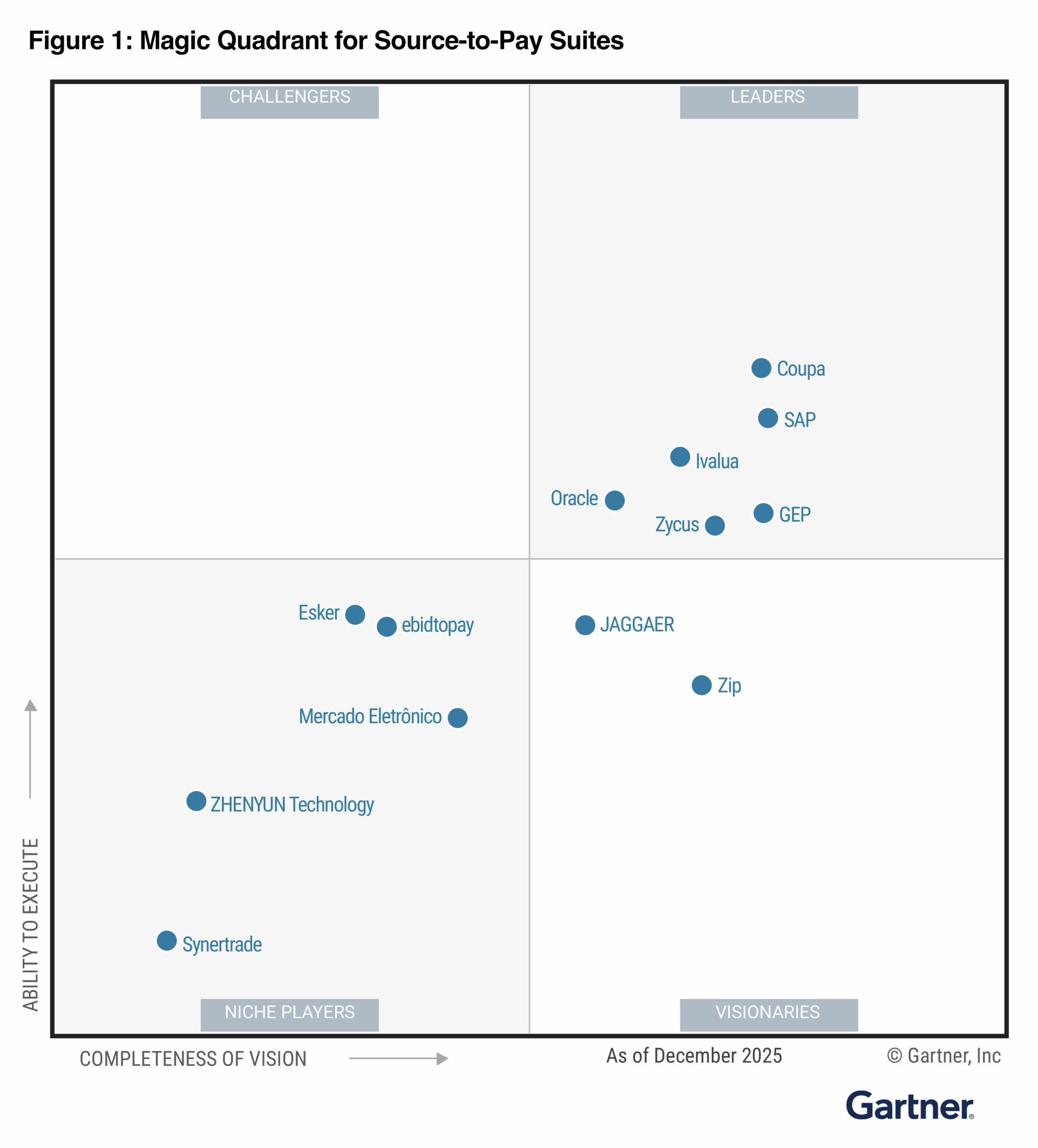
Zycus — recognized as a Leader in the 2026 Gartner® Magic Quadrant™ for Source-to-Pay Suites — has invested specifically in context-aware AI designed for security and control, even when processes access third-party applications. This approach acknowledges that oversight isn’t about limiting AI, but about designing AI that respects human decision-making authority.
Building Trust Through Transparency
Beyond technical guardrails, trust requires transparency. Every AI decision should be:
- Explainable. Users should understand why AI made a specific recommendation or took a specific action. “Black box” AI undermines trust.
- Auditable. Complete decision logs enable post-hoc review and continuous improvement. If something goes wrong, you need to understand what happened.
- Reversible. When possible, AI actions should be correctable. This is easier for recommendations and harder for executed transactions — another reason to maintain human approval for high-stakes decisions.
Read more: Why Less Than One-Third of Procurement Organizations Can Scale Agentic AI
Practical Steps for Maintaining Oversight
- Define decision tiers. Categorize actions by risk and value. Routine, low-stakes decisions can be autonomous. Strategic or high-value decisions require human approval.
- Create escalation triggers. Define the conditions that automatically route decisions to humans: unusual patterns, threshold breaches, and compliance flags.
- Invest in dashboards and alerts. Real-time visibility into AI activity allows oversight without bottlenecking every decision.
The goal isn’t to eliminate human involvement — it’s to focus human involvement where it matters most while letting AI handle the rest with appropriate supervision.
FAQs
Q1. Why is loss of human oversight the top concern for agentic AI in procurement?
Procurement decisions have financial and legal implications. When AI acts autonomously, organizations worry about accountability gaps, erosion of institutional knowledge, and loss of control over decisions that affect supplier relationships and compliance.
Q2. How can organizations maintain oversight without losing AI efficiency?
By deploying context-aware AI that knows when to act independently and when to escalate, creating decision tiers based on risk and value, and building real-time monitoring dashboards that provide visibility without creating approval bottlenecks.
Q3. What makes AI decisions trustworthy?
Trustworthy AI decisions are explainable (users understand why), auditable (complete logs enable review), and reversible where possible (corrections can be made). Transparency is the foundation of trust in autonomous systems.
| Next in This Series
Why Less Than One-Third of Procurement Organizations Can Scale Agentic AI The integration and interoperability gaps that separate AI pilots from production deployments. |
Related Reads:
- Beyond the Legacy: Why Procurement Innovation Shouldn’t Add Performance Anxiety
- Navigating the Agentic AI Revolution in Procurement: Insights from Our Partnership with The Hackett Group
- Overcoming Resistance to AI Adoption in Procurement Teams
- Why Procurement Dashboards Fail—and How Autonomous Action Closes the Gap
- Agile Procurement and Sourcing: A Practical Guide for Modern Enterprises
- How to find the “K” in S2P Process: A Strategic Guide for Continuous Improvement