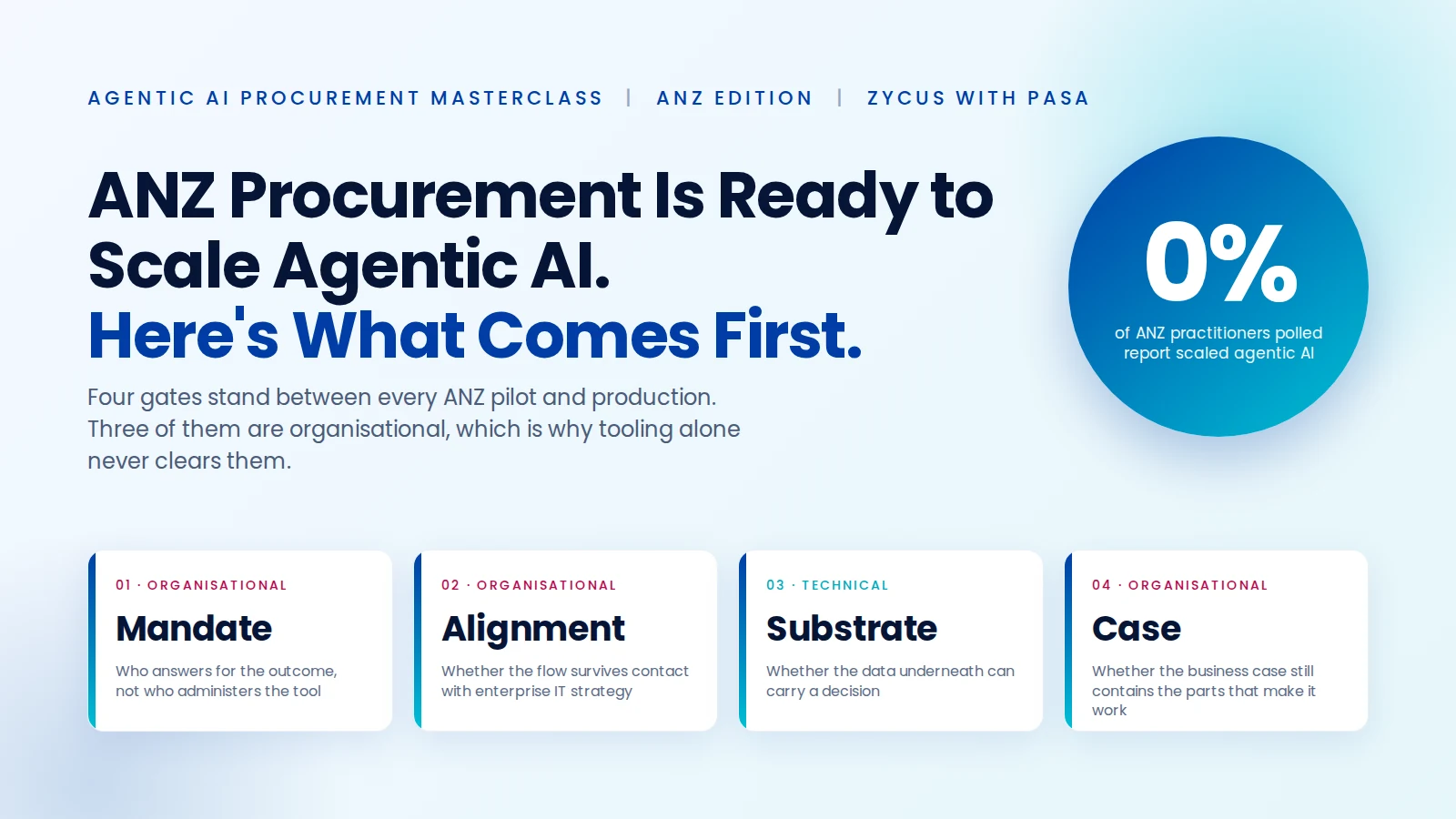









There’s a disconnect between agentic AI enthusiasm and agentic AI readiness that few organizations want to acknowledge.
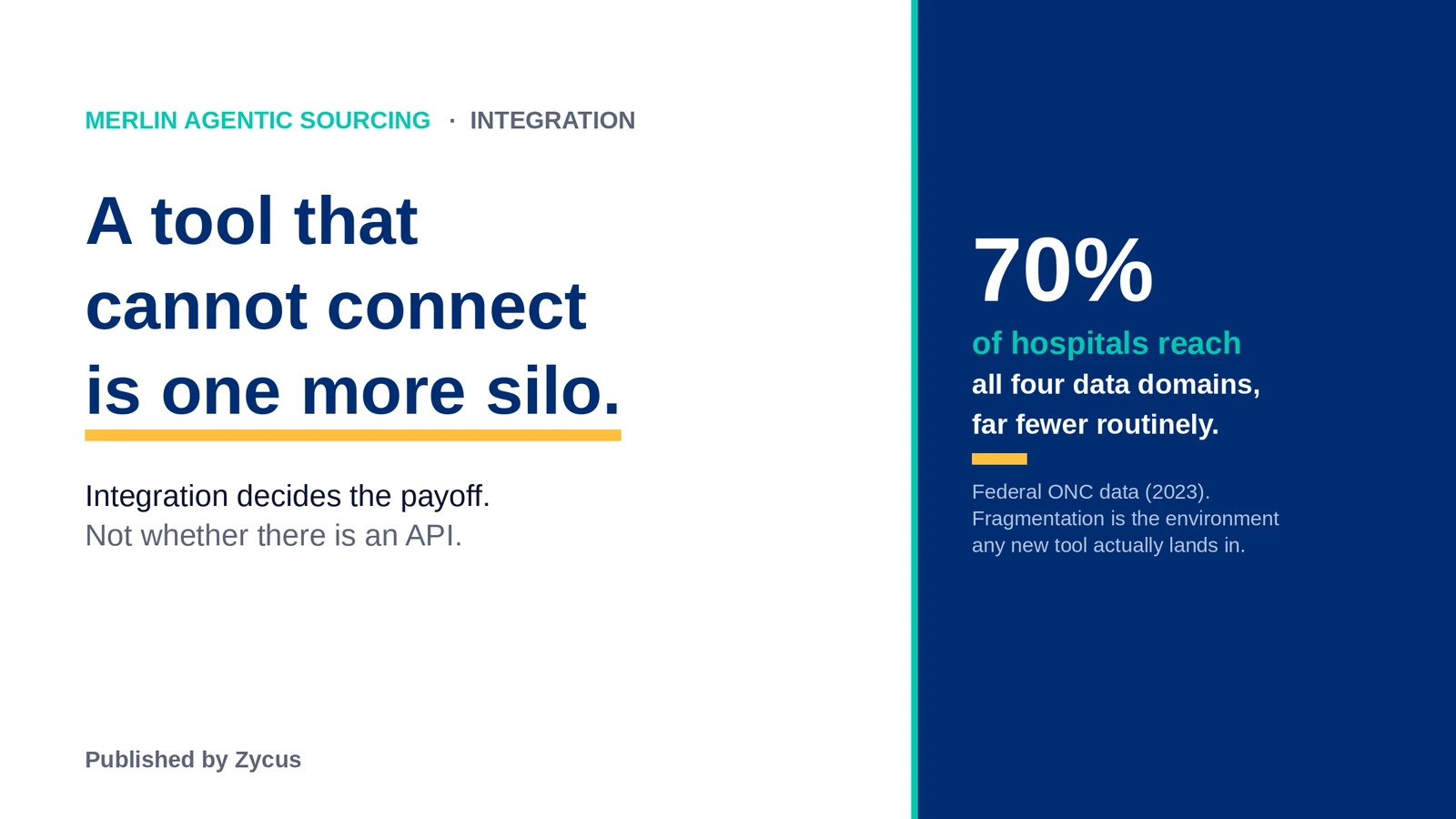
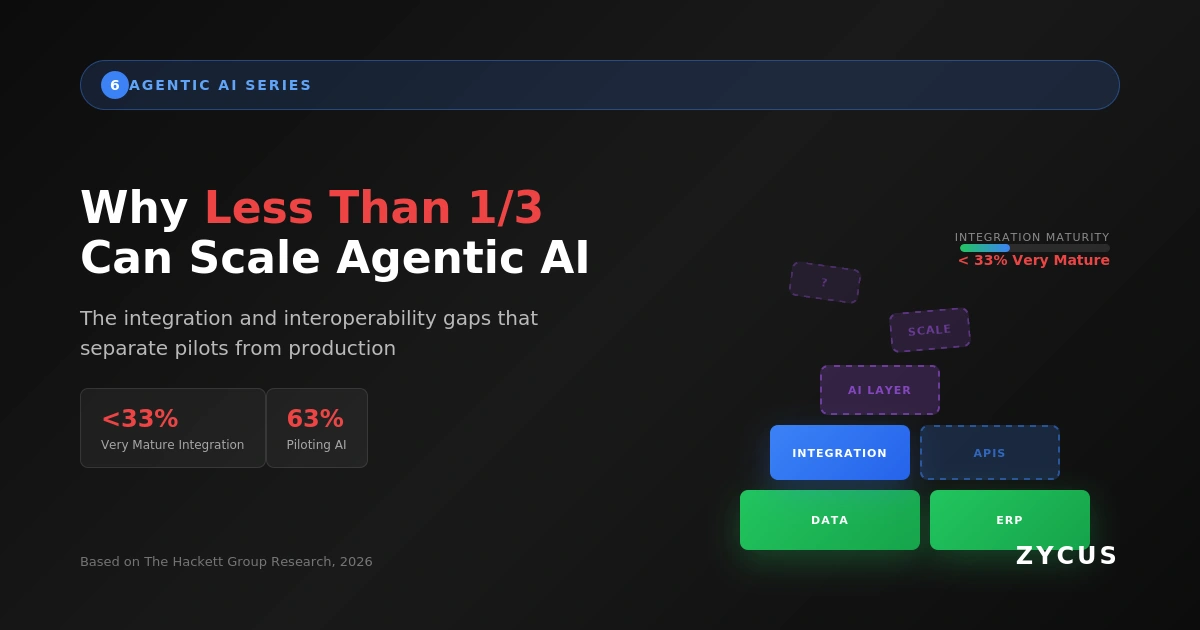
According to The Hackett Group’s 2026 research, most procurement leaders are piloting or planning agentic AI initiatives. But when asked about their organization’s maturity in integration and interoperability — the foundation required to scale AI beyond pilots — less than one-third rate themselves as “very mature.”
This isn’t a technology problem. It’s an infrastructure problem. And it explains why so many AI pilots succeed in controlled environments but stall when organizations try to deploy them at scale.
The Integration Maturity Gap
Agentic AI doesn’t operate in isolation. An agent that negotiates tail spend needs access to supplier data, pricing history, compliance requirements, and approval workflows. An agent that monitors contracts needs integration with CLM systems, ERP data, and financial systems.
When these integrations are fragile, incomplete, or manually maintained, AI can’t function reliably. The agent might make decisions based on stale data. It might trigger workflows that don’t exist. It might create conflicts between systems that weren’t designed to work together.
The Hackett research identifies several specific maturity areas where procurement organizations fall short:
Organizational Readiness for Agentic AI: Maturity Assessment
| Maturity Area | % Very Mature |
| Integration and interoperability | <33% |
| Data quality and governance | Low |
| Master data management | Low |
| Skills and talent for AI | Low |
| Change management | Low |
Source: The Hackett Group Agentic AI in Procurement Adoption Index – 2026
Why Pilots Succeed but Scaling Fails
Pilots are designed for success. They use clean data sets, controlled environments, and dedicated resources. The AI works because everything around it is optimized to make it work.
Production is different. Real supplier data has gaps, inconsistencies, and duplicates. Real workflows have exceptions, edge cases, and human workarounds. Real integrations break when upstream systems change.
The organizations that scale AI successfully aren’t the ones with the most sophisticated algorithms — they’re the ones with the most robust data foundations and integration architectures.
What “Very Mature” Actually Looks Like
Organizations that rate themselves as very mature in integration typically share several characteristics:
- Unified data layer. A single source of truth for supplier, contract, and spend data that all systems can access consistently.
- API-first architecture. Systems designed to communicate through standardized interfaces, not poaint-to-point integrations that break with every update.
- Bidirectional data flow. Not just pushing data from ERP to procurement, but synchronizing changes in both directions in near-real time.
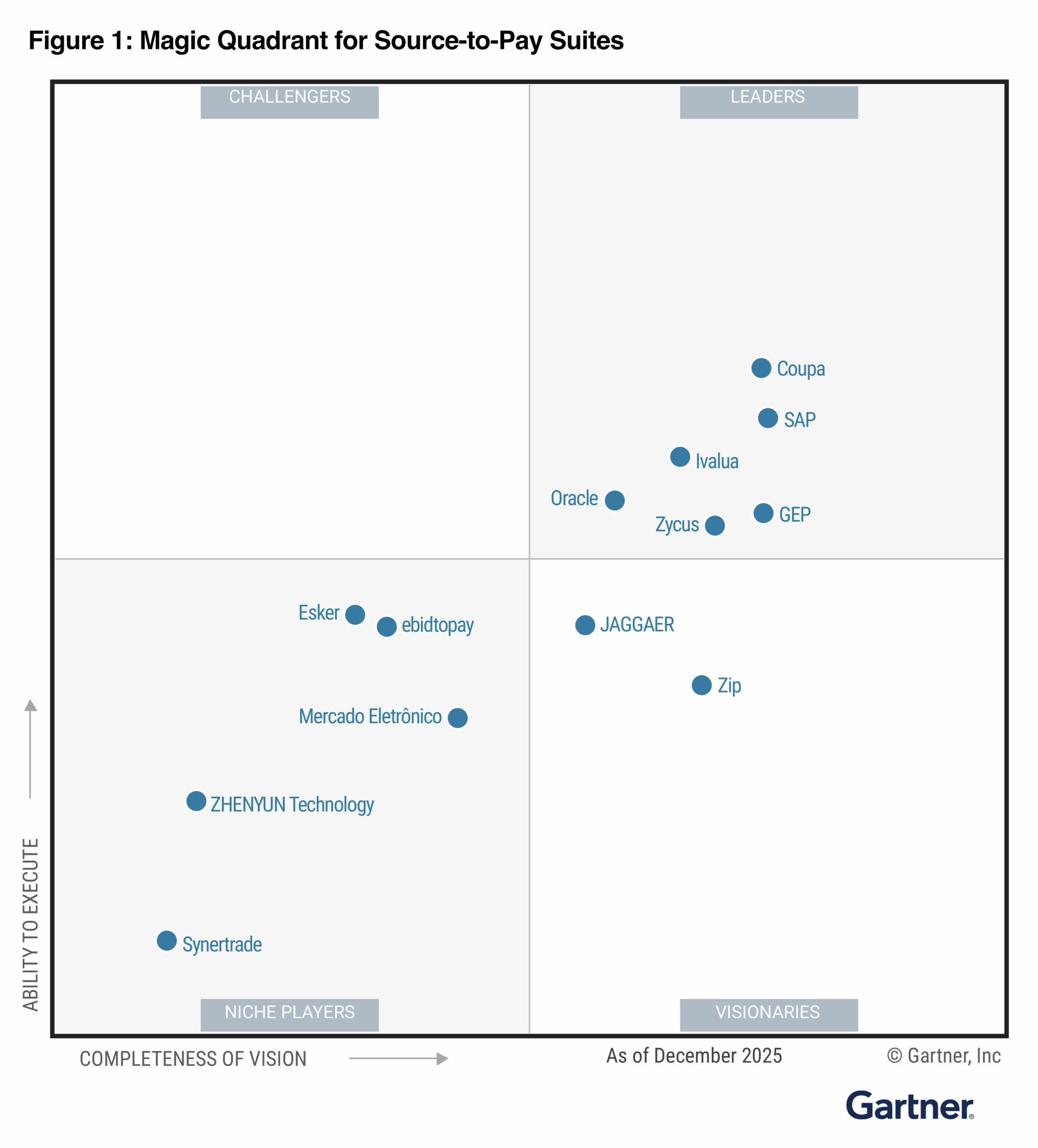
Zycus — recognized as a Leader in the 2025 IDC MarketScape for AI-Enabled Source-to-Pay — emphasizes seamless integration with leading ERP and financial systems, supporting bidirectional data synchronization and process orchestration that provides the foundation for scaling AI capabilities.
Building the Foundation for Scale
- Audit your current integrations. Before deploying AI, understand which systems talk to each other, how data flows, and where gaps exist.
Read more: IT vs Procurement: Who Should Own Your Agentic AI Strategy? - Prioritize data quality. AI amplifies data problems. Bad data in a manual process creates occasional errors. Bad data in an automated process creates systematic failures.
- Choose platforms with scale in mind. The AI tool you pilot should be the same one you deploy. Switching platforms between pilot and production resets your integration work.
The organizations that will lead in agentic AI aren’t necessarily the first to pilot — they’re the ones building the infrastructure to sustain and scale what they start.
FAQs
Q1. Why can’t most organizations scale their AI pilots?
Pilots succeed in controlled environments with clean data and dedicated resources. Production deployments face real-world complexity — data gaps, system inconsistencies, and integration fragility — that most organizations haven’t addressed.
Q2. What does integration maturity mean for AI readiness?
It means having unified data access, standardized APIs, and bidirectional synchronization across procurement, ERP, and financial systems. Without this foundation, AI agents can’t access the data they need to make reliable decisions.
Q3. Should organizations delay AI initiatives until they’re fully mature?
No — but they should pursue AI and foundation-building in parallel. Start pilots in areas where current integration is strong, and use the pilot period to address gaps that would block scaling.
|
Next in This Series IT vs Procurement: Who Should Own Your Agentic AI Strategy? The strategic tension between platform expertise and domain knowledge — and why both are essential. |
Related Reads:
- Why Agentic AI Is the Future of Source-to-Pay Automation by 2026
- Pioneering Procurement: Building Your First Agentic AI Use Case
- Guide to Procurement Agents: Roles, Skills & How AI is Changing the Game
- Unlocking the Future of Procurement: Synergizing Agentic AI and Generative AI for Seamless Automation
- Future of Healthcare Procurement with Agentic AI
- The First 12 Months of Agentic AI: A Practical Roadmap for CPOs