





TL;DR
- Renewable energy procurement is essential for companies transitioning to sustainable energy sources while aligning with ESG goals.
- Managing supplier risk in renewable energy is crucial due to challenges like supply chain disruptions, price volatility, and regulatory changes.
- Clean energy sourcing offers benefits like cost reduction, regulatory compliance, and market differentiation.
- Companies must evaluate suppliers, diversify sourcing, and negotiate flexible contracts to reduce procurement risks.
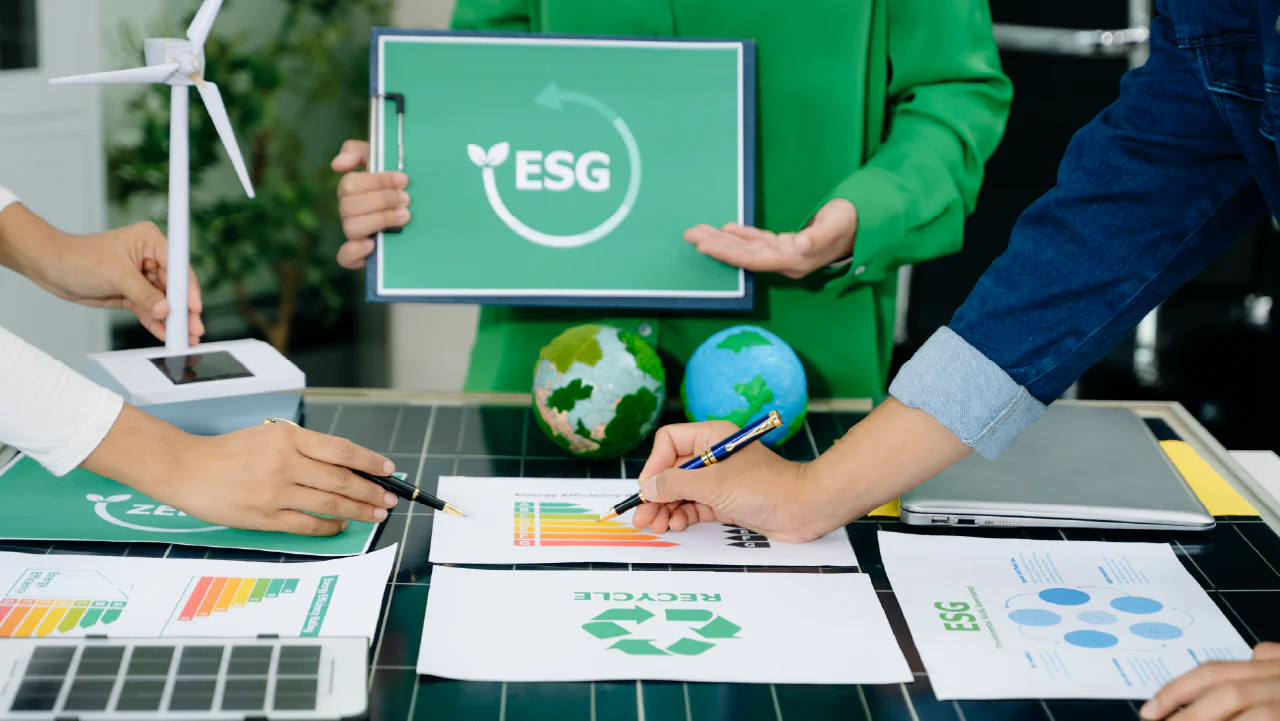
- ESG procurement requires organizations to focus on environmental impact, social responsibility, and strong governance throughout the sourcing process.
- Tools like Zycus help companies streamline procurement, track sustainability, and manage supplier risk to meet ESG and renewable energy goals.
In the rapidly evolving landscape of renewable energy procurement, businesses and organizations are facing an increasing pressure to balance economic goals with environmental and social responsibility. The integration of clean energy sourcing is not just a strategy to cut down on carbon emissions, but also a key component in meeting stringent Environmental, Social, and Governance (ESG) goals. With growing concerns about climate change, regulatory demands, and shifting investor expectations, ESG procurement is becoming a non-negotiable priority.
For organizations transitioning to renewable energy, one of the most significant challenges is managing supplier risk while ensuring compliance with both internal goals and external regulations. This article explores how organizations can navigate the complexities of renewable energy procurement by addressing supplier risk and aligning sourcing strategies with ESG objectives.
What is Renewable Energy Procurement?
Renewable energy procurement refers to the process of sourcing energy from renewable resources such as wind, solar, hydroelectric, and geothermal power. In contrast to traditional energy procurement, which often relies on fossil fuels, renewable energy procurement focuses on environmentally sustainable energy sources.
Given the global push for decarbonization and clean energy adoption, organizations are increasingly seeking to transition their energy supply to renewables. This requires a strategic procurement approach that considers both cost-effectiveness and alignment with ESG principles.
Read more: Energy Procurement: Strategies for Smarter, Sustainable Sourcing
The Importance of Clean Energy Sourcing
The shift toward clean energy sourcing is driven by multiple factors, ranging from climate policies and government incentives to consumer demand for sustainability. But clean energy sourcing isn’t just about reducing carbon footprints; it’s also about long-term value creation. By embracing renewable energy, companies not only contribute to a greener planet, but they also benefit from:
- Lower energy costs: In many markets, renewable energy is becoming cheaper than fossil-fuel-based power, helping companies reduce their operational costs.
- Regulatory compliance: Meeting energy efficiency standards and renewable energy mandates, which are becoming stricter globally.
- Market differentiation: As sustainability becomes a competitive advantage, companies that prioritize clean energy can improve their reputation among customers, investors, and stakeholders.
In a world where ESG performance is increasingly scrutinized, companies that strategically engage in renewable energy procurement position themselves as leaders in sustainability.
Download eBook: Unlock the Power of ESG Data Transparency
Managing Supplier Risk in Renewable Energy Procurement
A critical challenge in renewable energy procurement is managing supplier risk. Since many organizations are making the transition to renewable sources for the first time, understanding the associated risks is key to ensuring that the procurement strategy is successful and sustainable. These risks include:
1. Supply Chain Disruptions
One of the primary risks in renewable energy procurement is the potential for supply chain disruptions. Renewable energy projects, whether solar panels, wind turbines, or battery storage—depend on complex supply chains that are vulnerable to geopolitical events, natural disasters, or economic instability.
2. Price Volatility
Renewable energy prices are often subject to volatility due to fluctuating demand and changes in government policy. Contracts signed years ago may be subject to pricing risks that affect the bottom line. Additionally, the technology and equipment required for clean energy can be expensive, and pricing can vary depending on availability and technological advancements.
3. Technology Risk
While renewable energy technologies are advancing rapidly, there is still a level of technology risk involved. As new technologies emerge, older ones may become obsolete or require costly upgrades. Companies must assess whether their long-term renewable energy contracts are compatible with future technological advancements or if they may face additional costs.
4. Regulatory Risk
The regulatory environment for renewable energy is complex and subject to change. Governments often offer subsidies or incentives to promote clean energy, but these can fluctuate based on political and economic conditions. Moreover, non-compliance with local or international standards on emissions and sustainability can result in legal and financial penalties.
Aligning Renewable Energy Procurement with ESG Goals
To meet ESG procurement objectives, organizations must align their renewable energy procurement strategies with their overall sustainability and social responsibility goals. ESG-driven procurement focuses on ensuring that an organization’s supply chain adheres to high standards of environmental sustainability, social equity, and ethical governance.
Here’s how renewable energy procurement can be integrated with ESG goals:
1. Environmental Considerations
When selecting suppliers, it’s essential to assess their environmental impact. Organizations should prioritize suppliers that use eco-friendly materials, minimize waste, and support sustainable energy solutions. The procurement team should also ensure that the renewable energy sources they are purchasing meet high environmental standards.
2. Social Impact
ESG procurement also focuses on the social dimension, including how suppliers treat their workforce, the diversity and inclusion policies they have in place, and their community involvement. In the case of renewable energy projects, this might also involve selecting suppliers that help local communities by creating jobs or improving access to sustainable energy in underserved regions.
3. Governance
Governance refers to the ethical considerations of the procurement process. This includes ensuring transparency, accountability, and adherence to ethical business practices. Companies should select renewable energy suppliers who have strong governance frameworks in place, demonstrate compliance with anti-corruption laws, and are transparent about their business operations.
Download eBook: The Complete Procurement Gap in Energy Construction
Best Practices for Managing Supplier Risk in Renewable Energy Procurement
To mitigate the risks associated with renewable energy procurement and ensure the alignment with ESG goals, organizations can implement the following best practices:
1. Comprehensive Supplier Evaluation
Perform a thorough evaluation of potential renewable energy suppliers. This should include assessing their financial stability, past performance, compliance with ESG standards, and track record of fulfilling contracts.
2. Diversification of Suppliers
Relying on a single supplier can increase the risk of disruptions. To minimize risk, organizations should diversify their supplier base and consider multi-sourcing strategies. This helps mitigate risks associated with price volatility and supply chain disruptions.
3. Long-Term Contracts and Flexible Terms
Negotiate long-term contracts with renewable energy suppliers, but ensure that these contracts offer flexible terms in case market conditions change. This will provide greater security while also enabling adaptability in response to changing regulatory or market dynamics.
4. Technology and Innovation Partnerships
Given the pace at which renewable energy technology is evolving, partnering with suppliers that are committed to innovation and future-proof solutions is essential. This reduces the risk of being locked into outdated technology and ensures that the renewable energy solutions you procure remain viable in the long term.
5. Regulatory Compliance Monitoring
Establish a system to continuously monitor regulatory changes affecting the renewable energy sector. Staying ahead of potential policy shifts will allow organizations to adjust their procurement strategy proactively, minimizing the risk of non-compliance.
How Zycus Helps in Renewable Energy Procurement
Zycus offers a comprehensive platform to streamline ESG procurement and renewable energy sourcing, giving organizations the tools they need to manage supplier risk and achieve sustainability goals. With Zycus, companies can:
- Centralize Procurement Data: Gain end-to-end visibility across all suppliers, making it easier to track compliance with ESG standards and monitor supplier performance.
- Supplier Risk Management: Identify and mitigate supplier risks early through predictive analytics and real-time risk assessments.
- Regulatory Compliance: Ensure compliance with global environmental and social standards by automating compliance checks and monitoring key regulations.
- Sustainability Tracking: Use built-in analytics to measure and track the carbon footprint reduction and other sustainability metrics in real time.
Explore Zycus’ Procurement Software for Energy & Utilities
Conclusion
As organizations transition to renewable energy procurement and align with ESG goals, managing supplier risk is critical to success. By focusing on supplier evaluation, diversification, flexible contracts, and innovative partnerships, businesses can reduce the risks associated with clean energy sourcing while advancing their sustainability objectives.
By leveraging tools like Zycus, companies can gain better visibility, improve compliance, and manage procurement risks effectively, ensuring that their renewable energy strategy is both sustainable and economically viable.
FAQs
Q1. What is renewable energy procurement?
Renewable energy procurement involves sourcing energy from renewable resources like solar, wind, and hydroelectric power. It’s a key part of an organization’s effort to transition to sustainable energy.
Q2. How can supplier risk impact renewable energy procurement?
Supplier risk in renewable energy procurement can include supply chain disruptions, price volatility, technology obsolescence, and regulatory changes that can affect both cost and project timelines.
Q3. What are ESG procurement goals?
ESG procurement focuses on ensuring that the suppliers an organization chooses meet high environmental, social, and governance standards. This includes reducing carbon footprints, supporting fair labor practices, and ensuring transparency in business operations.
Q4. How does Zycus help with renewable energy procurement?
Zycus offers AI-powered tools to improve procurement visibility, manage supplier risk, ensure regulatory compliance, and track sustainability metrics, helping companies achieve their ESG goals.
Related Reads:
- eBook: The Complete Procurement Gap in Energy Construction
- Facilitating Renewable Energy Projects in the Scottish Highlands: Procurement’s Strategic Role
- Sustainability, Innovation and Efficiency- eSourcing Platforms’ Triple Play in Procurement
- Strategic Intake Management: How ESG Principles Propel Business Excellence
- Procurement Software for Energy & Utilities