








TL;DR
- Project management procurement is crucial for aligning sourcing decisions with project execution, especially in CAPEX-heavy and time-bound initiatives.
- Many organizations struggle with fragmented sourcing processes, a lack of visibility into spend, and poor collaboration between procurement and project teams.
- AI-driven procurement solutions can provide real-time tracking, predictive analytics, and scenario-based recommendations to improve project sourcing outcomes.
- Integrating procurement into the project planning phase ensures smarter sourcing, reduces risk, and optimizes cost and time outcomes.
- With tools like Zycus, companies can align procurement with execution, ensuring better control over budgets, supplier performance, and contract compliance.
- By embedding procurement early and using AI-powered insights, organizations can close gaps, reduce inefficiencies, and improve project delivery.
Large enterprise projects rarely fail because of a lack of ambition; they fail because of misalignment. Engineering teams plan in silos. Procurement teams focus on cost. Project managers chase timelines. The result? Budget overruns, supplier delays, scope creep, and missed business outcomes.
This is where project management procurement becomes critical.
In today’s environment—marked by volatile supply markets, inflationary pressures, and increased CAPEX scrutiny, procurement can no longer be a downstream, transactional function. It must be deeply embedded into project planning, sourcing, and execution.
For procurement leaders, the challenge is clear:
How do you align project sourcing decisions with real-time project execution?
What is Project Management Procurement?
Project management procurement refers to the structured approach of planning, sourcing, contracting, and managing suppliers specifically for project-based initiatives, such as infrastructure builds, plant expansions, IT transformations, or large-scale capital investments.
Unlike indirect or operational procurement, project procurement is:
- Time-bound
- High-value (often CAPEX-heavy)
- Risk-intensive
- Highly interdependent with project schedules
It requires procurement to operate not as a support function, but as a strategic partner to project management.
Download Whitepaper: Mastering the Strategic Sourcing Process with Effective Project Management
The Growing Complexity of Project Sourcing and CAPEX Procurement
Modern projects involve a complex ecosystem of EPC vendors, subcontractors, service providers, and equipment suppliers, often spread across geographies.
Key challenges include:
- Fragmented project sourcing processes
- Poor visibility into committed vs. actual spend
- Supplier delays are impacting critical path milestones
- Limited collaboration between procurement and project teams
According to McKinsey, large capital projects typically exceed budgets by 30–45%, with procurement inefficiencies being a major contributor.
This makes project sourcing and CAPEX procurement prime candidates for AI-driven transformation.
Aligning Sourcing with Execution: Where Most Organizations Struggle
The biggest gap in project management procurement lies between strategy and execution.
Common Disconnects
| Area | Typical Challenge |
| Planning | Procurement engaged too late in the project lifecycle |
| Sourcing | Supplier selection based on cost, not execution risk |
| Contracts | Poor linkage between milestones and payments |
| Execution | Limited visibility into supplier performance |
| Governance | Manual tracking of changes, risks, and compliance |
When procurement operates outside the project management framework, sourcing decisions fail to reflect real execution realities.
Why Procurement Must Be Embedded in Project Planning
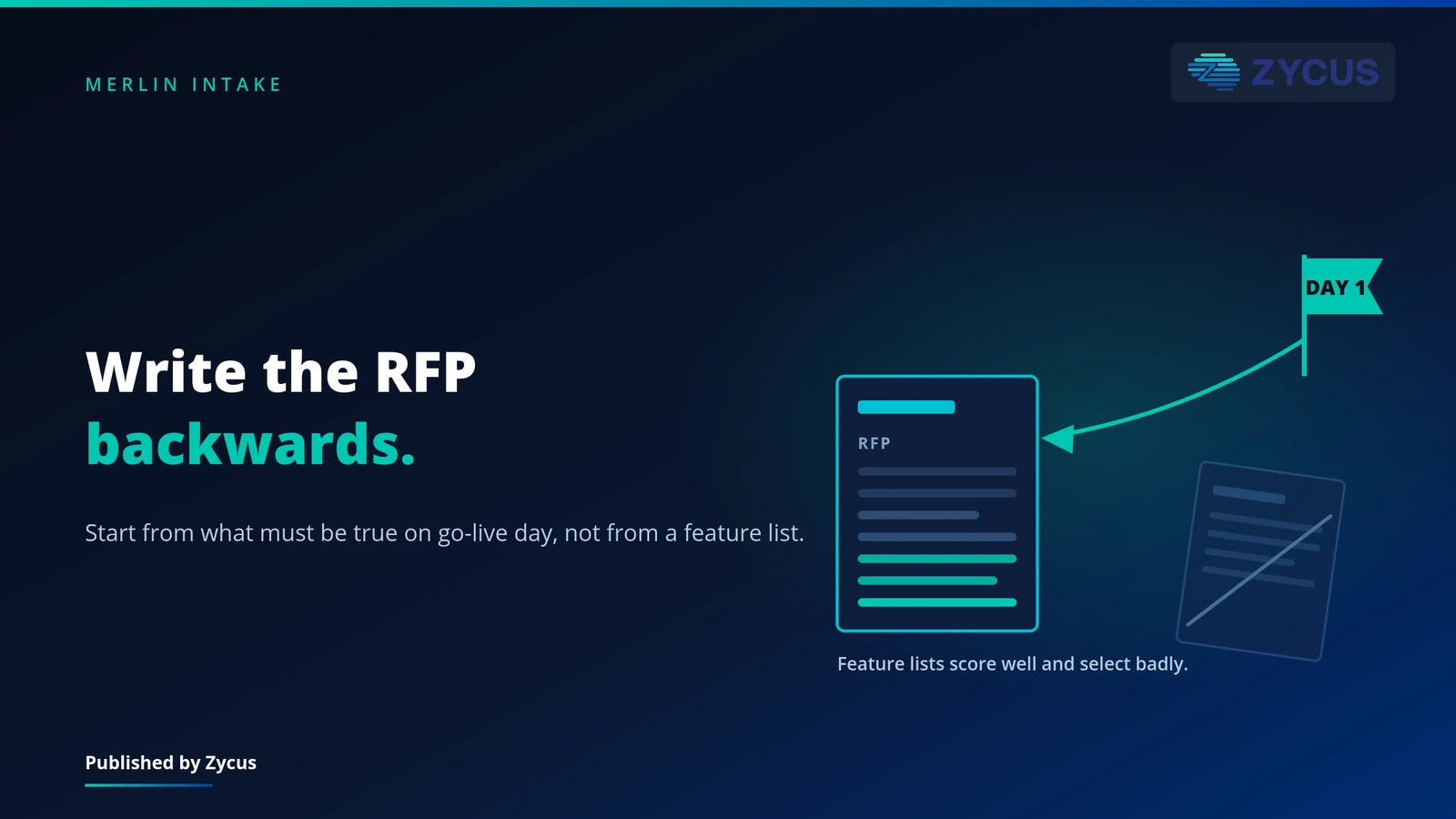
To truly align sourcing with execution, procurement must be involved from day zero.
Early Procurement Involvement Enables:
- Better demand forecasting and scope clarity
- Smarter supplier segmentation based on project criticality
- Risk-adjusted sourcing strategies
- Realistic cost and timeline baselines
This is especially critical for CAPEX procurement, where long lead times and high asset values magnify risk.
The Role of AI in Project Management Procurement
Traditional tools struggle to handle the dynamic nature of project procurement. This is where AI makes a measurable difference.
AI-Driven Capabilities Transforming Project Sourcing
- Predictive cost and risk analytics
- Scenario-based sourcing recommendations
- Real-time tracking of supplier milestones
- Automated compliance and contract adherence
Gartner notes that AI-enabled procurement platforms significantly improve project spend visibility and execution confidence.
At Zycus, AI is not an add-on—it is foundational to how procurement aligns with business execution.
How Zycus Enables End-to-End Project Procurement Alignment
Zycus approaches project management procurement as a connected ecosystem, not a set of standalone tools.
Key Capabilities Across the Project Lifecycle
| Project Phase | How Zycus Supports |
| Planning | Demand intake aligned to project milestones |
| Project Sourcing | AI-guided supplier selection and scenario analysis |
| CAPEX Procurement | Spend controls, budget tracking, and approvals |
| Contracting | Milestone-based contracts and compliance tracking |
| Execution | Supplier performance and risk monitoring |
| Governance | Real-time visibility across stakeholders |
By connecting sourcing decisions directly to execution data, Zycus helps procurement leaders move from reactive firefighting to proactive control.
Project Sourcing: Moving Beyond Lowest-Cost Wins
In project environments, the cheapest supplier is rarely the most economical choice.
Effective project sourcing evaluates:
- Delivery capability
- Financial stability
- Risk exposure
- Past project performance
- Alignment with project timelines
AI-driven sourcing allows procurement teams to balance cost, risk, and execution certainty, not just price.
CAPEX Procurement: Managing Spend Without Slowing Projects
CAPEX procurement often faces a paradox: strict financial controls vs. the need for speed.
Without the right systems, organizations struggle with:
- Budget leakages
- Poor change order management
- Limited visibility into committed spend
Zycus enables:
- Real-time CAPEX spend tracking
- Approval workflows aligned to project governance
- Clear linkage between contracts, milestones, and payments
This ensures financial discipline without compromising execution velocity.
Humanizing Project Procurement: Collaboration Over Control
Technology alone cannot fix project procurement challenges. People and processes matter just as much.
High-performing organizations focus on:
- Cross-functional collaboration between procurement, PMOs, and finance
- Clear ownership of sourcing and execution decisions
- Transparent communication with suppliers
By providing a single source of truth, Zycus helps teams collaborate without friction, making procurement an enabler, not a bottleneck.
Best Practices for Aligning Project Management Procurement with Execution
- Involve procurement early in project planning
- Use AI-driven insights for project sourcing decisions
- Align contracts with execution milestones
- Track CAPEX spend in real time
- Monitor supplier performance continuously
- Enable cross-functional visibility and governance
Conclusion: From Sourcing Function to Execution Partner
Project success is no longer just about delivering on time—it’s about delivering value.
By aligning project management procurement with execution, organizations can reduce risk, control costs, and achieve predictable outcomes—especially for complex, CAPEX-heavy initiatives.
Zycus empowers procurement leaders to move beyond transactional sourcing and become true partners in project execution—using AI, intelligence, and integrated workflows.
Learn how Zycus can help you transform project sourcing and CAPEX procurement with AI-driven procurement orchestration. Book a demo today
FAQs
Q1. What is project management procurement?
Project management procurement is the process of planning, sourcing, contracting, and managing suppliers specifically for project-based initiatives, ensuring alignment between sourcing decisions and project execution.
Q2. How is project sourcing different from traditional procurement?
Project sourcing focuses on time-bound, high-risk, and milestone-driven requirements, whereas traditional procurement often emphasizes recurring spend and cost optimization.
Q3. Why is CAPEX procurement more complex?
CAPEX procurement involves large investments, long lead times, and higher execution risk, making visibility, governance, and supplier reliability critical.
Q4. How does AI improve project management procurement?
AI enhances cost forecasting, supplier risk assessment, scenario analysis, and real-time tracking—helping procurement align sourcing with execution outcomes.
Q5. When should procurement be involved in project planning?
Procurement should be involved from the earliest planning stages to ensure sourcing strategies reflect project scope, timelines, and risk profiles.
Q6. How does Zycus support project procurement?
Zycus provides AI-powered source-to-pay capabilities that connect project sourcing, CAPEX procurement, contracts, and execution into a unified, intelligent platform.
Related Reads:
- 4 Project Management Features and Benefits You Should Have: Zycus
- Download Project Management Brochure
- Streamlining Sourcing Project Management with iManage: Zycus’ Solution for Strategic Sourcing
- Project Management Apps for Deep Value Execution in Procurement
- Understanding Procurement Apps and Their Use Cases