


What is tail spend analysis?
Tail spend analysis is the process of examining an organization’s low-value, high-volume purchases, the long tail of spend that touches a large share of an organization’s suppliers but contributes a small share of total spend value, in order to uncover savings, reduce maverick spend, and consolidate suppliers.
Key takeaways:
- Tail spend typically accounts for roughly 20% of total spend value, spread across roughly 80% of an organization’s supplier base (the inverse concentration holds for strategic spend: a core of about 20% of suppliers drives about 80% of spend value).
- It covers indirect, recurring purchases such as shipping, travel, office supplies, and facility maintenance.
- Left unmanaged, it causes maverick spend, weak supplier leverage, and poor visibility.
- Agentic AI can take on tail spend directly: guiding every request at intake, applying policy automatically, and surfacing savings a manual process would miss.
- A structured process, from spend analytics through demand forecasting, turns tail spend into measurable, trackable value.
Tail spend is the term used to describe the substantial number of low-value transactions that account for a significant amount of a business’s overall spending. It entails making recurring, low-cost purchases of indirect goods and services.
Industry-specific tail expenditure items vary, but typical examples include shipping services, business travel, office supplies, computer accessories, marketing materials, and facility maintenance.
Due to their large quantities, even if these prices are small individually, they might add up to significant costs. Optimizing and managing this long-tail of expenditure, i.e., tail spend analysis, requires delving deeply into these transactions through tail spend research.
In tail spend, 20% of suppliers account for 80% of overall spend, as per the Pareto principle. Up to 80% of the total transactions can be found in the residual long tail. Organizations must be more careful with tail spending when they lack adequate control.
Some key characteristics of tail spend categories include:
- High Volume, Low Value: Numerous low-cost transactions rather than a few big-ticket purchases.
- Fragmented and Decentralized: Spread across business units, locations, and personnel.
- Prone to Maverick Spend: Small buys often violate policies on spending limits or preferred suppliers.
- Manual Processes: Reliance on paper forms, spreadsheets, and ad-hoc workflows.
- Limited Visibility: It is challenging to gain centralized visibility and compliance.
- Weak Negotiation Leverage: Small individual transactions hinder volume discounts.
Tail spend control should not be neglected as it can immensely impact profitability. Without controls, businesses risk increased expenses due to erratic spending, lost chances for cost savings, and resource waste from handling transactions by hand. Analyzing tail spend patterns in-depth helps organizations see where their money is going more clearly. As a result, they are more equipped to decide how to increase procurement efficiency. The potential savings that can be realized by optimizing tail spend are enormous. Businesses can adopt a proactive strategy by utilizing the insights gained from spend analysis instead of a reactive one.
Overall, elevating tail spend management through robust analytics delivers an impact that boosts the bottom line.
Tail Spend vs. Strategic Spend
| Dimension | Strategic Spend | Tail Spend |
| Share of suppliers | ~20% | ~80% |
| Share of total spend value | ~80% | ~20% |
| Supplier relationship | Few, actively managed | Many, fragmented |
| Visibility | High | Low |
| Negotiation leverage | Strong | Weak |
| Typical process today | Formal sourcing | Manual or ad hoc |
Why Tail Spend Analysis Matters
Left unmanaged, tail spend creates real cost: erratic spending outside negotiated terms, missed consolidation opportunities, and staff time spent processing low-value transactions by hand. Analyzing it in depth gives procurement a clear, current picture of where that money is going, and the basis to act on it, rather than reacting after the fact.
- Uncovers hidden savings. Granular analysis of tail transactions surfaces redundancies, overspending, and contracting gaps in categories nobody was watching.
- Consolidates fragmented spend. Routing tail purchases through fewer preferred suppliers unlocks volume pricing and cuts processing overhead.
- Strengthens supplier terms. Visibility into tail spending supports renegotiating niche contracts from a position of actual data, not guesswork.
- Controls maverick spend. Tail spend analytics surfaces policy violations and off-contract buying patterns so they can be corrected, not just noted.
- Sharpens forecasting. Historical tail spend data improves demand projections for purchasing and inventory planning.
Benefits of Tail Spend Analysis
Conducting rigorous tail spend analysis uncovers game-changing savings potential in overlooked spend areas. It empowers organizations to consolidate fragmented expenditures, optimize supplier relationships, control maverick spending, and make data-driven decisions.
Benefits of tail spend analysis include:
- Uncovering Hidden Savings Opportunities: Granular analysis spots redundancies, overspending, and gaps in contracting neglected areas. Negotiating from an informed position generates savings.
- Consolidating Fragmented Spend: Aggregating and analyzing tail spending reveals options to consolidate transactions with fewer preferred suppliers. Volume discounts and process efficiencies result.
- Improving Supplier Relationships: Visibility into tail spending enables renegotiating better terms by bundling niche contracts. Partnerships strengthen when spend is aligned.
- Enhancing Maverick Spend Control: Analytics identifies policy violations and demand patterns. Guided buying channels, improved policies, and system controls curtail non-compliant purchases.
- Centralizing Data for Decisions: Integrated tail spend analytics creates a single source of truth. Data-driven decisions optimize budgets and strategies.
- Pinpointing Waste: Drilling into transactions uncovers duplication, overpriced items, and unnecessary purchases for elimination, tightening compliance.
- Sharpening Forecasts: Historical tail spending data and trends project future demand to guide purchasing and inventory planning. Accuracy heightens.
- Elevating Efficiency: Tail spend automation, guided workflows, and touchless processing slash manual work. Higher-value activities get more focus.
The collective impact of optimizing high-volume tail spending is immense. Every percentage saved directly improves profitability, allowing reinvestment and growth.
Watch Video: How to get deep visibility in your current spend
Conducting Tail Spend Analysis: End-to-End Process
Organizations must regularly analyze transaction data to uncover insights to maximize the value of tail spend management. A rigorous process involves:
- Leveraging Spend Analytics: Robust analytics tools classify transactions, provide visibility into spend patterns, identify top suppliers, highlight variances, and enable drill-downs. AI elevates analysis speed and accuracy.
- Applying Segmentation Techniques: Pareto analysis of expenditures by amount ranks categories for prioritization. Spend cube analysis views data across multiple dimensions like business units, geography, and time.
- Getting Stakeholder Inputs: Engage budget owners to provide perspectives on needs, pain points, and ideas in niche spend areas as their expert insights complement the data.
- Establishing Key Performance Indicators: Metrics like compliance rates, maverick spend percentages, discounted purchases, and process efficiency monitor progress.
- Identifying Supplier Consolidation Opportunities: Analyze niche supplier overlaps across business units to find consolidation potential based on spend volumes.
- Uncovering Maverick Spend: Detect off-contract, unauthorized suppliers, and spending limit breaches indicative of policy violations.
- Pinpointing Price Variances: Compare pricing for items across suppliers and time periods to identify value gaps.
- Projecting Demand Changes: Analyze trends in tail spending to improve forecasts and optimize future budget planning.
Frequent multidimensional tail spend analysis generates strategic insights that lead to cost savings from dispersed spending. It is imperative to uphold an analytical and data-centric strategy to consistently optimize niche purchases as demands change. Substantial value is sustainably achieved by integrating tail spend analysis into procurement procedures.
Best Practices for Managing Tail Spend
Organizations can maximize returns from tail spend analysis and management by applying the following best practices for tail spend analysis:
- Centralize Tail Spend Oversight: Consolidate procurement authority over tail spend categories to align analysis, contracting, monitoring, and guided buying across the enterprise.
- Develop Category Expertise: Build knowledge within niche areas to sharpen negotiations, forecasting, market insights, and network connections.
- Implement Guided Buying: Provide self-service purchasing portals that enforce policies and preferred suppliers for streamlined buying.
- Establish Contract Standards: Define consistent contracting templates and clauses tailored for tail spend categories to accelerate turnaround.
- Conduct Regular Re-Analysis: Refresh tail spend visibility quarterly or annually as supplier bases, prices, and regulations evolve.
- Analyze Compliance Adherence: Track metrics like policy violations and off-contract spending to target areas for tighter controls.
- Monitor Supplier Performance: Assess niche supplier delivery, quality, and services and benchmark their costs through robust metrics.
- Leverage Data-Driven Decisions: Let insights guide strategies for tail spend rather than intuitions or outdated perspectives.
Read more: Supplier Performance Measurement: Keeping It Simple But Actionable
By institutionalizing best practices tailored for high-volume, low-value purchases, enterprises sustain maximum savings and efficiency gains from optimizing their long tail. Consistent oversight, fresh analysis, category expertise, and smart guidance pay dividends.
How Agentic AI Changes Tail Spend Management
Tail spend is one of the clearest cases for Agentic AI in procurement, because the work is high-volume, rules-based, and currently mostly manual.
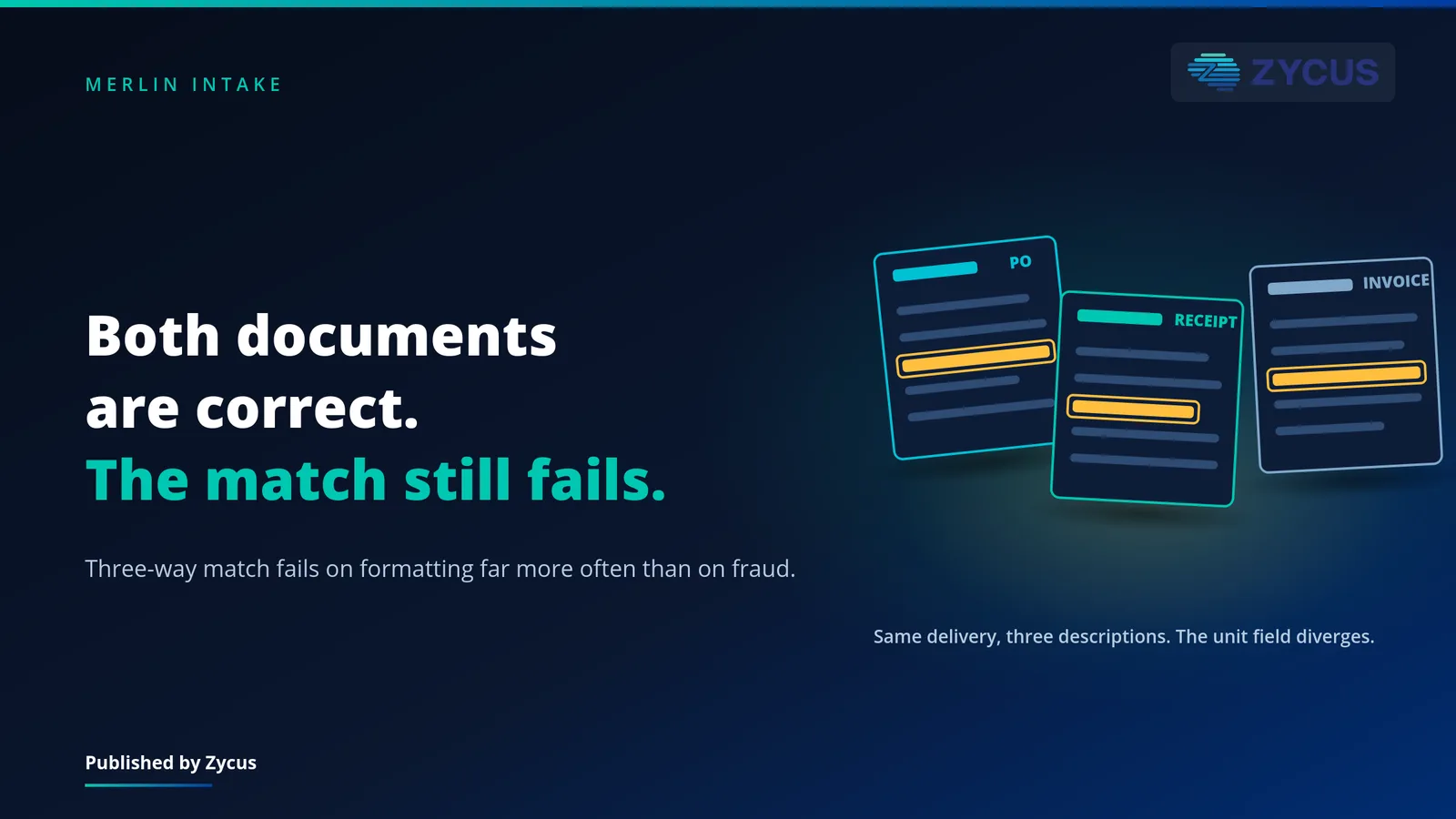
Merlin Intake guides every tail spend request from the moment it’s raised: routing it to the right catalog, preferred supplier, or approval path automatically, instead of leaving the requester to figure out the process.
Merlin Autonomous Negotiation Agent can act on the categories that would otherwise never get attention: applying negotiation logic to lower-value, higher-volume purchases that a sourcing team doesn’t have the bandwidth to negotiate manually.
Together, this moves tail spend from something procurement manages reactively to something the platform handles on the enterprise’s behalf, freeing procurement’s time for the sourcing decisions that actually need human judgment.
The ROI of Tail Spend Management
Optimizing high-volume and low-value tail spending delivers immense returns from both hard cost reductions and process efficiencies. Quantifiable ROI of tail spend analysis comes from:
- Cost Savings: Consolidating suppliers, negotiating discounts, controlling maverick spend, and eliminating waste reduces expenses, and it’s significant since every percentage saved has an exponential impact.
- Process Efficiencies: Automation, guided buying, and touchless processing drastically reduce transaction costs and manual labor for purchasing, approvals, and payments.
- Compliance Improvements: Enforcing contracting policies and buying channels lowers non-compliant expenditures and penalty costs from contract violations.
- Risk Reduction: Tighter tail spend oversight minimizes vulnerabilities to fraud while ensuring budget integrity and improving supply chain resilience.
- Strategic Time Savings: Tail spend automation and insights free up resources for strategic initiatives with a higher impact on business performance.
To measure ROI, metrics like reduced tail spend costs, improved discount capture rates, lowered transaction processing costs per order, increased contract compliance, and reduced policy violations can be quantified and tracked over time. The collective impact of optimizing the long tail of spending is substantial and directly improves profitability.
Bottom Line
Organizations need integrated spend analytics that provide complete visibility into tail spend and realize the immense savings hidden in high-volume, low-value purchases. Zycus offers comprehensive AI-powered solutions purpose-built to optimize tail spend management across enterprises.
With Zycus, tail spend analysis becomes an effortless, insightful process. Our intelligent platforms automatically aggregate and classify all niche transaction data enterprise-wide for a unified view. Advanced analytics, intelligent workflows, and predictive modeling elevate control over tail spend.
Request a demo to see how the Merlin Agentic AI Platform brings tail spend under control.
Through Zycus’ powerful sourcing suite, maximize your ROI from high-volume, low-cost purchases. Uncover the immense potential within your enterprise’s long tail.
Frequently Asked Questions
1. What is considered tail spend?
Low-value, high-volume, indirect purchases, such as shipping, travel, office supplies, computer accessories, marketing materials, and facility maintenance, that fall outside strategically managed categories.
2. Why is tail spend hard to control?
It’s fragmented across business units and people, often processed manually, and prone to maverick (off-contract) buying, which limits visibility and negotiation leverage.
3. What percentage of spend is tail spend?
Tail spend typically accounts for roughly 20% of total spend value, spread across roughly 80% of an organization’s supplier base.
4. How does Agentic AI help with tail spend?
Merlin Intake guides tail spend requests to the right supplier and approval path automatically, and the Merlin Autonomous Negotiation Agent can apply negotiation logic to categories too numerous for a sourcing team to negotiate by hand.
5. What’s the difference between tail spend and strategic spend?
Strategic spend is concentrated in a small number of actively managed suppliers and drives most of an organization’s spend value. Tail spend is spread across a large, fragmented supplier base and represents a much smaller share of value per supplier.
Related Reads:
- Navigating Efficiency with Tail Spend Management Solutions
- “Touchless” Long Tail Spend: The New Benchmark for World-Class P2P Process Efficiency
- Spend Analysis Vs. Spend Management- Demystifying The Difference
- Ways Spend Analytics Can Save Your Business Money
- The Role of Spend Analysis Solutions in Modern Procurement
- White Paper: Spend Data Classification: Making sense of Data
- Common Mistakes to Avoid When Implementing Spend Analysis Technology
- White Paper: Advanced Spend Analytics: A new offering for your procurement initiatives