





TL;DR
- Most of the year’s major procurement conferences have already run. Three worthwhile events are still ahead.
- The SIG Fall Global Executive Summit runs 25 to 28 October in Chicago, built around peer sessions for sourcing and procurement executives.
- Reuters Events Sourcing & Procurement USA runs 3 to 4 November in Houston, capped at around 200 attendees for senior-level conversation.
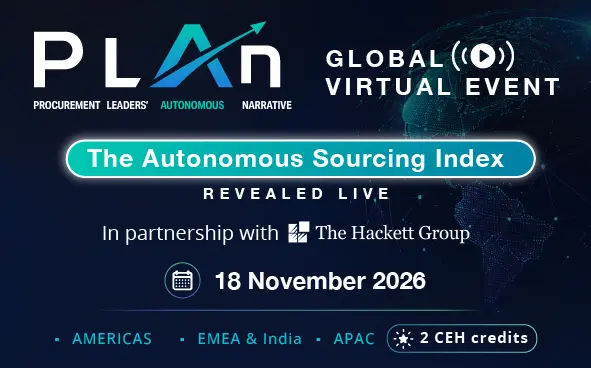
- Zycus PLaN runs on 18 November. It is free, virtual, and broadcast three times in one day so Americas, EMEA and India, and Asia Pacific teams each join at a sensible local hour.
- At PLaN, The Hackett Group launches its Autonomous Sourcing Index and IDC gives the first public airing of its 2027 predictions for procurement AI. Everyone who registers leaves with their own Index score.
- Register for PLaN 2026, free, across three time zones.
If you are looking at the rest of 2026 and wondering where to spend your remaining learning budget, the shortlist is genuinely short. ISM World ran in April. The Gartner Procurement Conference and DPW Amsterdam are both behind us.
Three events are left, and they do different jobs. One is built for peer conversation among executives. One is built for small-group depth. One is built to send you back to your desk with a benchmark you can use. Here is each of them.
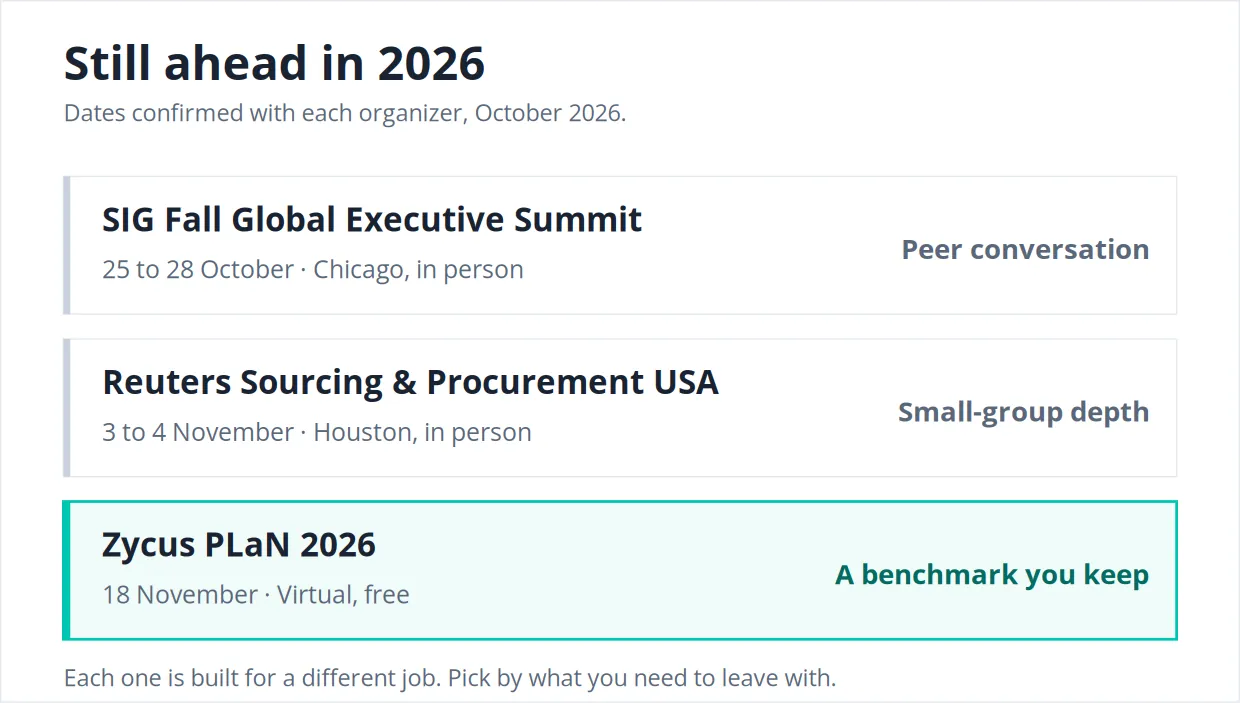
Figure 1: The three procurement events still ahead in 2026.
SIG Fall Global Executive Summit
25 to 28 October 2026, Navy Pier, Chicago
SIG is a membership network for sourcing and procurement executives, and its summits reflect that. The agenda leans on practitioner sessions and structured peer groups rather than keynote theater. Delegates tend to be directors and above, and much of the value sits in the side conversations that the format is deliberately built to create.
SIG runs two of these a year, spring and fall, which means the network has continuity. People come back, and the conversations pick up where they left off. If your priority for the rest of 2026 is to compare notes with people running similar programs at similar scale, this is the strongest in-person option left on the calendar.
It is a paid, in-person event, so budget for travel on top of the ticket. Worth checking whether your organization already holds a SIG membership, since that usually changes the price.
Reuters Events Sourcing & Procurement USA
3 to 4 November 2026, Houston
Reuters caps attendance at around 200, with roughly 30 speakers across 16 sessions. The cap is the design, not a limitation. Smaller rooms produce more candid conversation, and the speaker-to-delegate ratio means you can usually reach the people on stage.
The sessions are built as interactive formats rather than lecture slots, which changes who gets value from them. If you arrive with a specific problem you are trying to solve, this format gives you room to put it to the room. If you arrive to listen, a larger conference will give you more coverage for the money.
This one suits procurement leaders who want depth on a handful of themes rather than breadth across many, and it runs two weeks before PLaN, so the two are easy to pair. Like SIG, it is paid and in person, so the real cost is closer to three or four working days once travel is counted.
Zycus PLaN 2026
18 November 2026, virtual, free, three regional broadcasts
PLaN is our annual State of Autonomous Procurement address, and it is the one event on this list that we run. Now in its fifth edition, it is built around a single idea: you should leave with something you can use on Monday, not a folder of recordings you never open.
What happens on the day
Six sessions, under three hours, in one sitting. Three of them are public firsts.
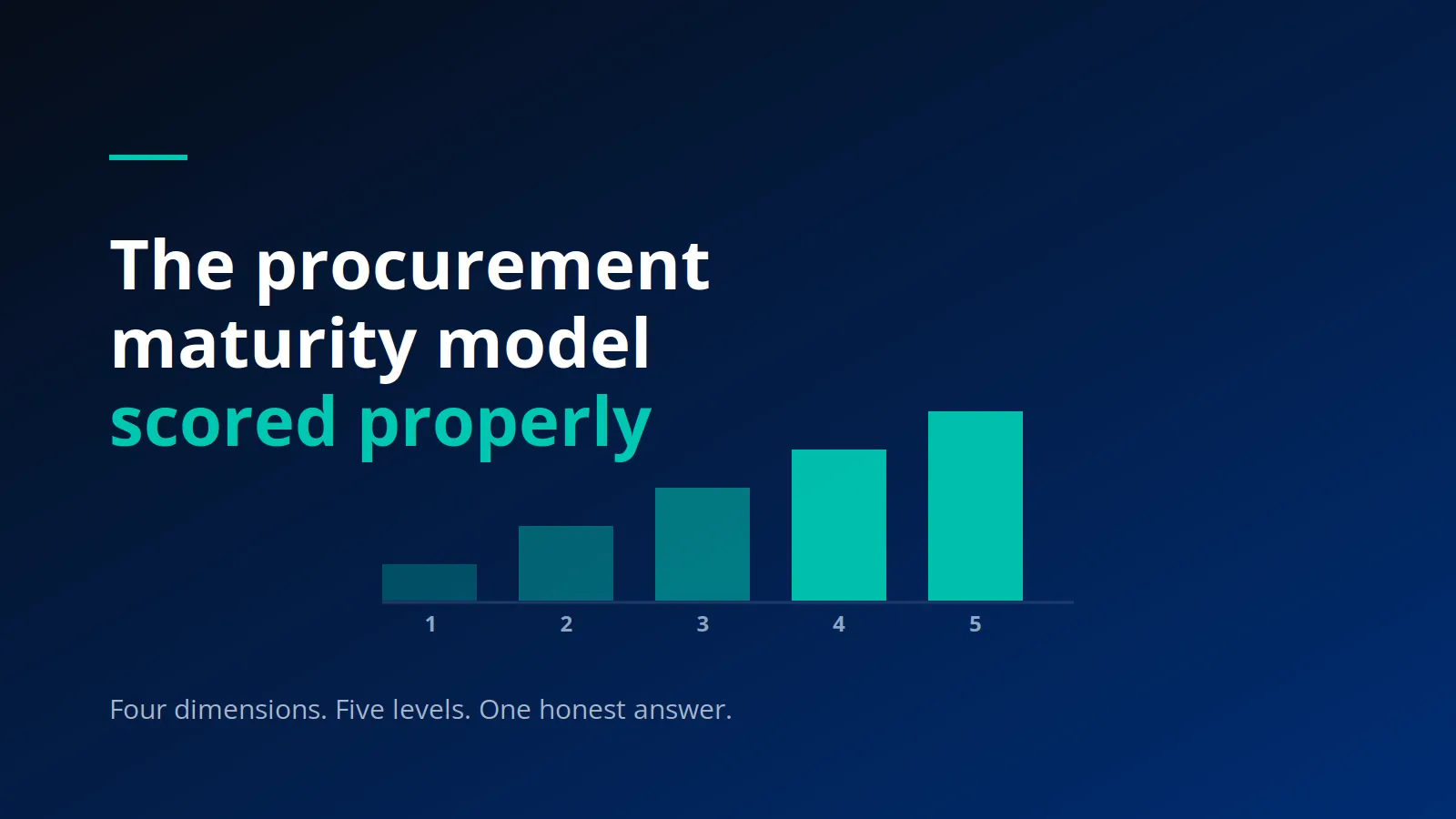
The Hackett Group launches the Autonomous Sourcing Index. This is a new maturity instrument built on a survey of more than 100 CPOs. It scores four things: how consolidated your source-to-pay stack is, whether requests have a single front door, how much of your process runs autonomously, and how your tail spend is handled. Chris Sawchuk, Principal and Global Procurement Advisory Practice Leader at The Hackett Group, presents the global results live.
IDC gives the first public airing of its 2027 predictions for procurement AI. Not a recap of published research. The first time these are said out loud.
Agents run live and unscripted. A deliberately messy procurement request goes end to end on the Merlin Agentic AI Platform, with no script and no slides. Whatever happens, happens.
Alongside those, Everest Group and EY join a panel on what moving agents from pilot to production actually takes, a procurement leader walks through a real autonomous deployment with the numbers cross-examined, and Zycus Founder and CEO Aatish Dedhia gives the annual keynote, built live on the Index results revealed minutes earlier.
What you leave with
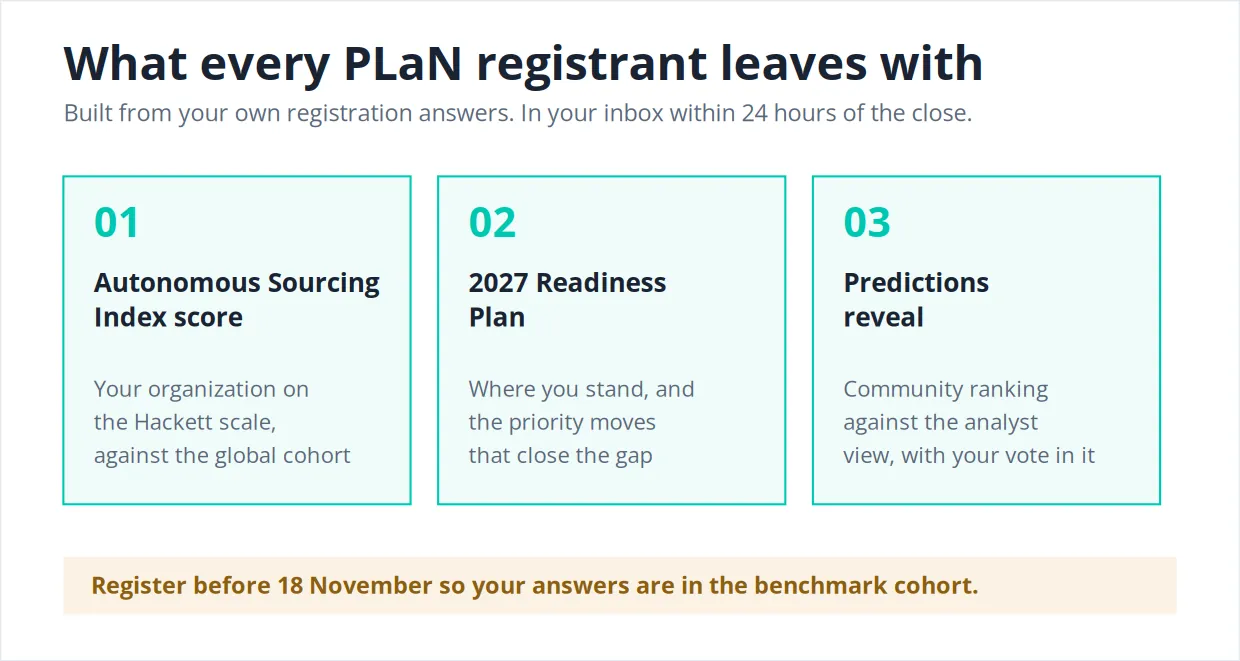
Figure 2: The three things every PLaN registrant receives.
Registration includes a short intake, and those answers do real work. Within 24 hours of the close you receive your own Autonomous Sourcing Index score, plotted against the global cohort rather than an industry average, plus a 2027 readiness plan naming where you stand and which moves close the gap. You also get the community predictions reveal, showing how practitioners ranked the 2027 predictions against the analyst view, with your own vote in the mix.
The earlier you register, the more representative that benchmark is, because the cohort is built from the answers of everyone who completes the intake before 18 November.
Who it is for
Four roles get something different from the same three hours.
- A CPO gets a defensible number for the board, measured on a third-party instrument.
- A head of sourcing gets a view on which workflow to make autonomous first, and how other organizations sequenced it.
- IT and digital transformation leaders get the architectural picture of why isolated agents stall on a fragmented stack.
- Finance gets the arithmetic: tail spend, cycle time, compliance leakage.
Every session is free to watch live, and the recordings are published openly afterward with no form in front of them.
Four kinds of events, four different jobs
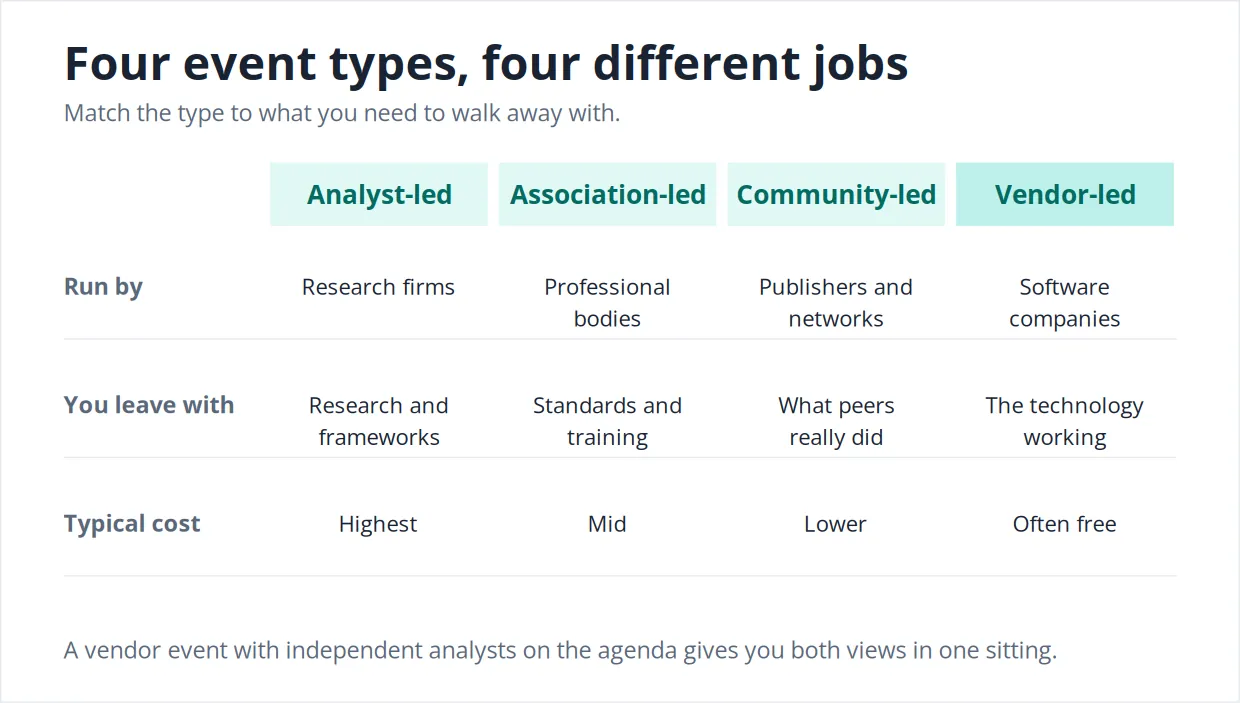
Figure 3: Four event types, and what each one is best at.
Choosing well is mostly about matching the event type to what you need to walk away with.
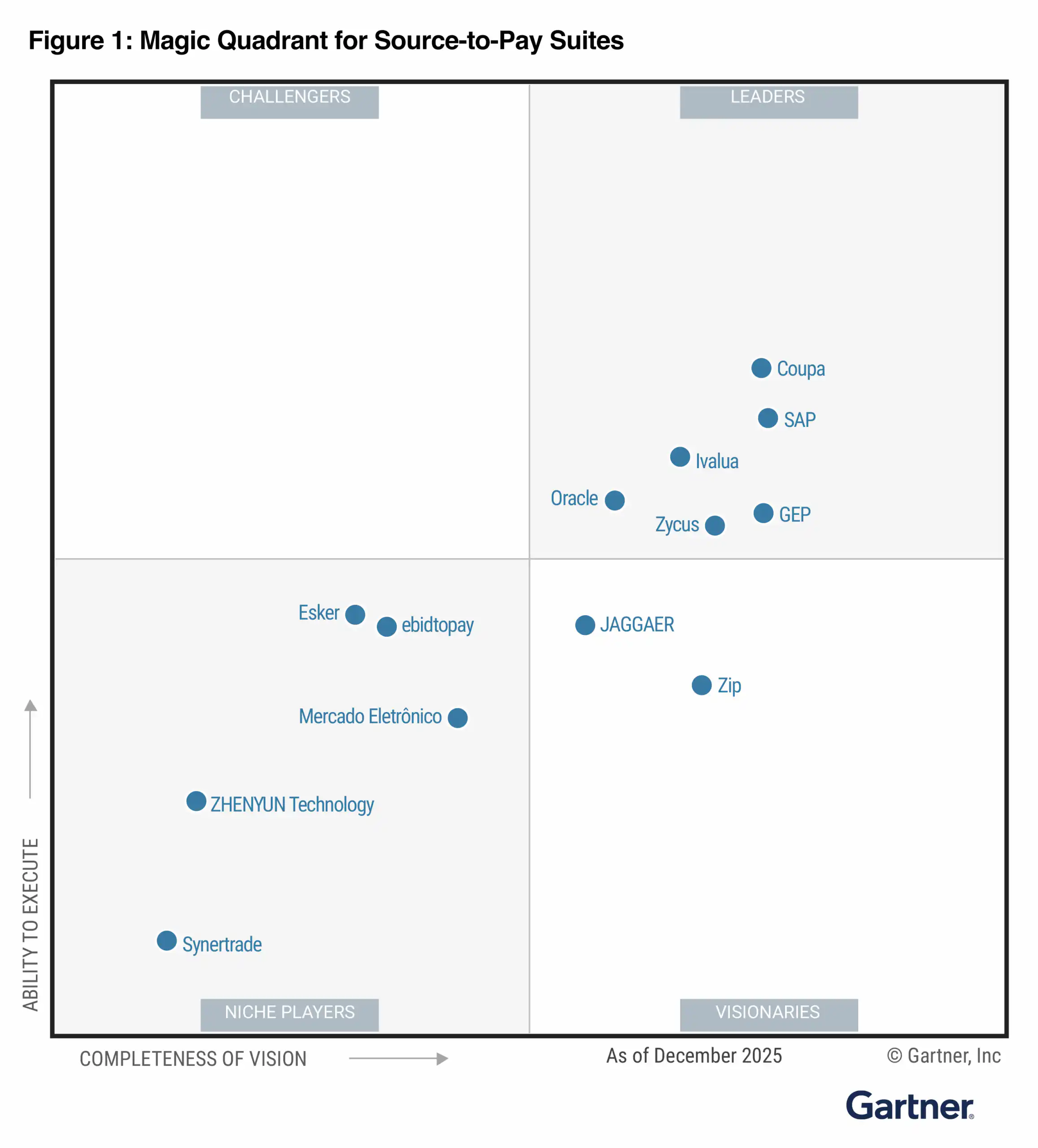
Analyst-led events are run by research firms, and you attend for the research, the frameworks, and analyst time. These matter more than the agenda suggests, because analyst evaluations shape procurement shortlists long before a demo is booked. Zycus has been named a Leader in the 2026 Gartner Magic Quadrant for Source-to-Pay Suites, a Leader in the IDC MarketScape: Worldwide AI-Enabled Source-to-Pay 2025 Vendor Assessment, a Leader in The Forrester Wave: Supplier Value Management Platforms, Q3 2024, and a Customers’ Choice in the 2025 Gartner Peer Insights Voice of the Customer for Source-to-Pay Suites.
The full list of recognitions sets out the categories and dates.
Association-led events are run by professional bodies such as ISM and CIPS. The draw is the profession itself: certification, standards, and a cross-section of the field wider than any single vendor or analyst audience. Zycus has partnered with both on masterclass sessions over the past year, which is a good way to see the format before committing to a full conference.
Community and media-led events are run by publishers and practitioner networks. SIG and Reuters Events both sit here. The value is peer conversation and market scanning, and it depends on who is in the room as much as who is on stage.
Vendor-led events are where you see the technology working rather than described. A software company’s own conference gives you its roadmap, its customers’ results, and direct access to the people who built the product. When the agenda also brings independent analysts and practitioners onto the stage, you get both: the depth of a product you can interrogate, and the outside view that tells you whether it holds up. That is the model PLaN is built on, with five of its seven sessions led by analysts, operators and customers.
The reason nearly every agenda this year leads with AI is straightforward. Gartner predicts 40% of enterprise applications will feature task-specific AI agents by the end of 2026, up from less than 5% in 2025. Meanwhile 80% of procurement executives name AI as the most transformational trend facing the function over the next five years, per The Hackett Group, while only 12% report large-scale implementation. High conviction, limited deployment. Agendas are responding to that gap.
Six questions to ask before you register
Run any event through these, including ours.
- How many speakers do not work for the organizer? The single best quality signal on any agenda.
- Is the research new, or being presented again? Ask what is being launched rather than summarized.
- Who else is in the room, by role and seniority? Most organizers will share the breakdown if you ask. Peer value depends on it.
- What happens to the recordings? Open recordings mean one person can attend and the whole team benefits. Gated or deleted recordings mean the value stops when the event does.
- What do you leave with? A notebook of ideas is worth less than a framework, a benchmark, or a number you can take into a budget conversation.
- What is the real time cost? Count travel and recovery days, not just the agenda. A two-day event in another city is usually four working days.
We built PLaN to answer all six, and the agenda, the recordings policy, and the deliverable are all set out on the registration page.
That last question matters more this year than last. Procurement workloads are projected to rise 8% in 2026 while headcount declines slightly, according to The Hackett Group’s 2026 Procurement Agenda and Key Issues Study. Time away from the desk has to earn its place.
PLaN 2026 runs on 18 November, free, across three time zones. The Hackett Group launches its Autonomous Sourcing Index, IDC reveals its 2027 predictions for procurement AI, and you leave with your own Index score and a 2027 readiness plan within 24 hours of the close.
Register for PLaN 2026 →
Frequently asked questions
What is a procurement conference?
A procurement conference is an event where procurement and sourcing professionals gather for research presentations, practitioner case studies, peer networking, and technology demonstrations. They are run by analyst firms, professional associations, media companies, practitioner communities, or software vendors. Most run between three hours and three days, in person or virtually, and cost anywhere from nothing to several thousand dollars.
What procurement conferences are being held in 2026?
Most 2026 procurement conferences have already taken place, including ISM World in April and the Gartner Procurement Conference. Three remain: the SIG Fall Global Executive Summit in Chicago from 25 to 28 October, Reuters Events Sourcing & Procurement USA in Houston from 3 to 4 November, and Zycus PLaN, a free virtual symposium on 18 November.
Is there a free procurement conference in 2026?
Yes. Zycus PLaN on 18 November 2026 is free with no paid tier, and every recording is published openly afterward with no registration form in front of it. It runs three times in one day across the Americas, EMEA and India, and Asia Pacific so attendees in each region join at a reasonable local hour.
What is the Autonomous Sourcing Index?
The Autonomous Sourcing Index is a procurement maturity instrument built with The Hackett Group on a survey of more than 100 CPOs. It scores four dimensions: source-to-pay stack consolidation, whether procurement requests have a single front door, how much of the process runs autonomously, and how tail spend is handled. The global cohort results launch at PLaN on 18 November 2026.
How much does a procurement conference cost?
Community and media-led events typically start around a thousand dollars. Association conferences sit in the middle, often with member rates. Analyst conferences are the most expensive, frequently several thousand dollars. Add travel and accommodation and a two-day event in another city usually lands between two and six thousand dollars per person. Virtual events are often free.
Is a virtual procurement conference worth attending?
It depends what you need. Virtual events deliver information efficiently and let a whole team attend at no cost, which helps when you need shared context rather than individual learning. In-person events add unplanned conversation, which is their main advantage. If you need relationships, go in person. If you need information and a deliverable, virtual works well.
Who should attend a procurement conference?
Chief procurement officers, heads of sourcing, category managers, procurement operations leaders, and the IT and finance partners who work alongside them. The right event depends on the role. CPOs generally get most value from analyst and executive peer events, while category and operations teams tend to get more from practitioner and technology-focused sessions.
How do I decide which procurement event to attend?
Start with what you need to leave with rather than the agenda. If you need research to support a business case, attend an analyst event. If you are developing a team, attend an association event. If you need to know what peers are doing, attend a community event. If you need to see technology working and question the people who built it, attend a vendor event with independent speakers on the agenda. Then check the speaker mix, the recordings policy, and the real time cost.