


While generative tools can draft documents in seconds, an AI cannot decide what your organization actually needs, meaning poorly specified inputs simply yield polished text that cannot be scored. When developing AI-assisted RFP requirements, buyers must retain ownership of three critical inputs—the desired outcome, environmental constraints, and evidence standards before delegating drafting and structuring downstream. In this guide, we break down how health system sourcing leaders can leverage AI safely around HIPAA constraints, focus on requirements reuse rather than generation, and ensure generated specifications remain fully scoreable.
TL;DR
- Three inputs must come from the buyer: the outcome, the constraints, and the evidence standard. Everything downstream can be assisted.
- AI helps most with reuse of requirements already tested against real suppliers, not with generating judgment.
- HIPAA constrains the supporting material rather than the requirements themselves. Keep PHI out of drafting tools.
- Write the full-marks answer alongside each requirement. Plausible is not the same as accurate.
An AI can draft a requirement quickly. It cannot decide what your organization needs, and the difference between those two things is where AI-assisted sourcing succeeds or produces confident nonsense at speed.
The buyer’s job does not change. Specify the outcome, the constraints, and the evidence that would satisfy you. What changes is that a poorly specified input now produces a polished document rather than an obviously thin one, which makes the input discipline more consequential rather than less.
This is written for health system sourcing leaders introducing AI assistance into RFP drafting, particularly where protected health information is in scope. Related reading covers how AI builds an RFP.
The order matters as much as the content. Specifying constraints after drafting produces a document that has to be rewritten rather than corrected.
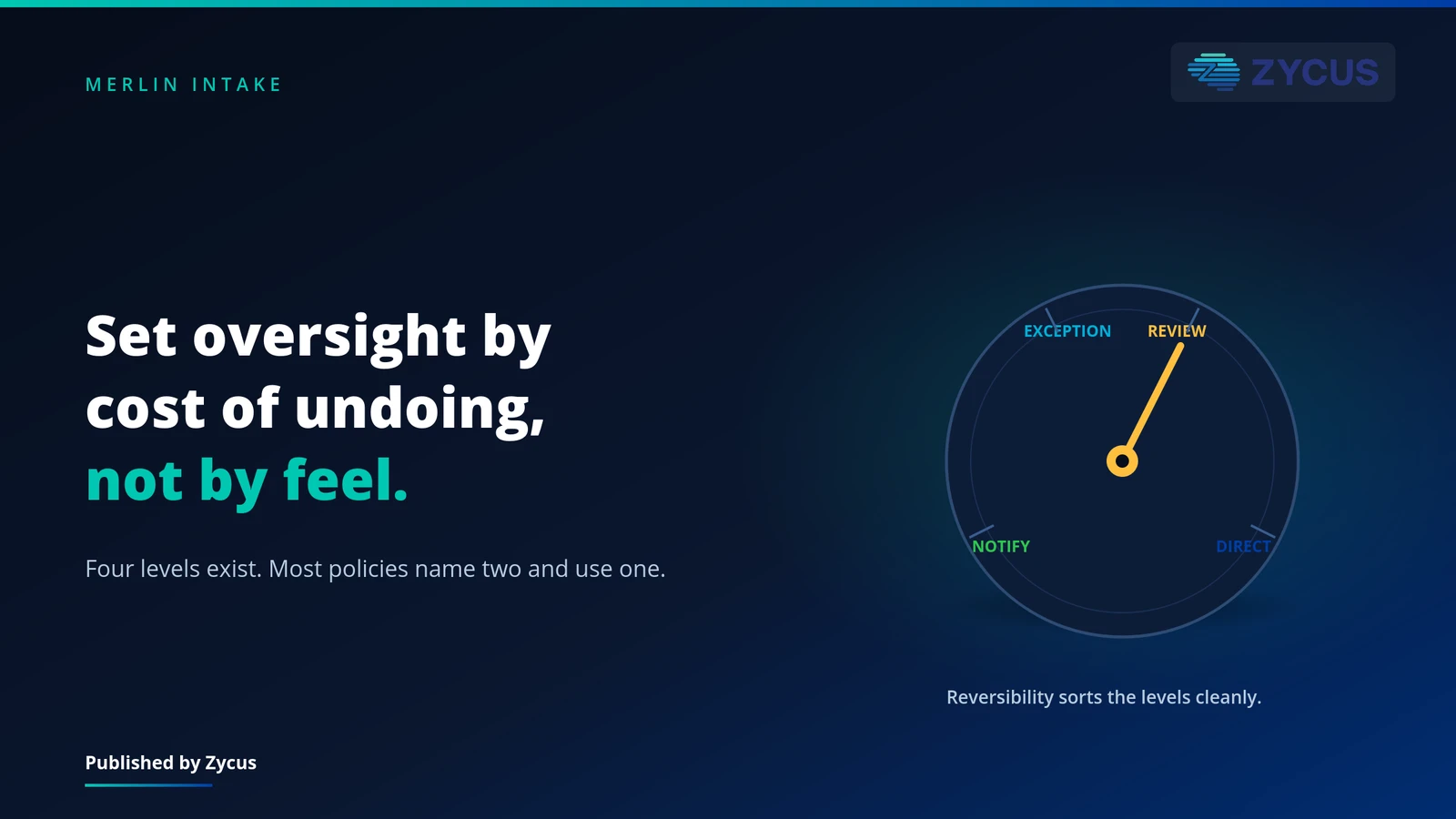
What should a buyer specify, and what can be generated?
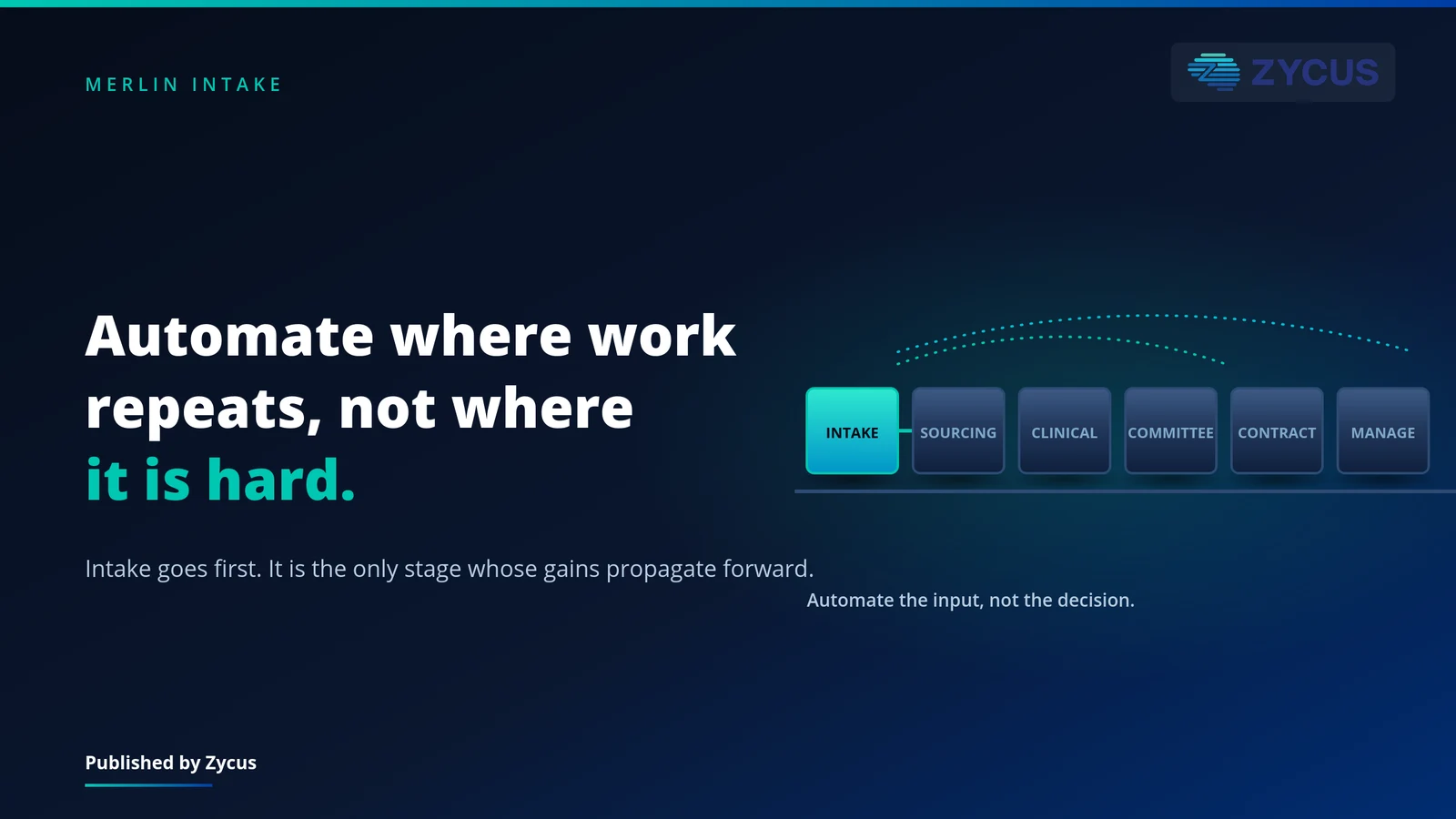
Three things must come from you, as Figure 1 sets out. Everything downstream can be assisted.
- The outcome. What must be true after implementation that is not true now. This is a judgment about your organization and no system can supply it.
- The constraints. Regulatory obligations, integration realities, budget cycle, and clinical acceptance thresholds. These are facts about your environment.
- The evidence standard. What a supplier would have to show for you to believe a claim. This is the most frequently omitted and the one that determines whether responses are comparable.
Given those three, drafting, structuring, comparative formatting, and question generation are all reasonable to assist. Without them, assistance produces a document that reads well and cannot be scored.
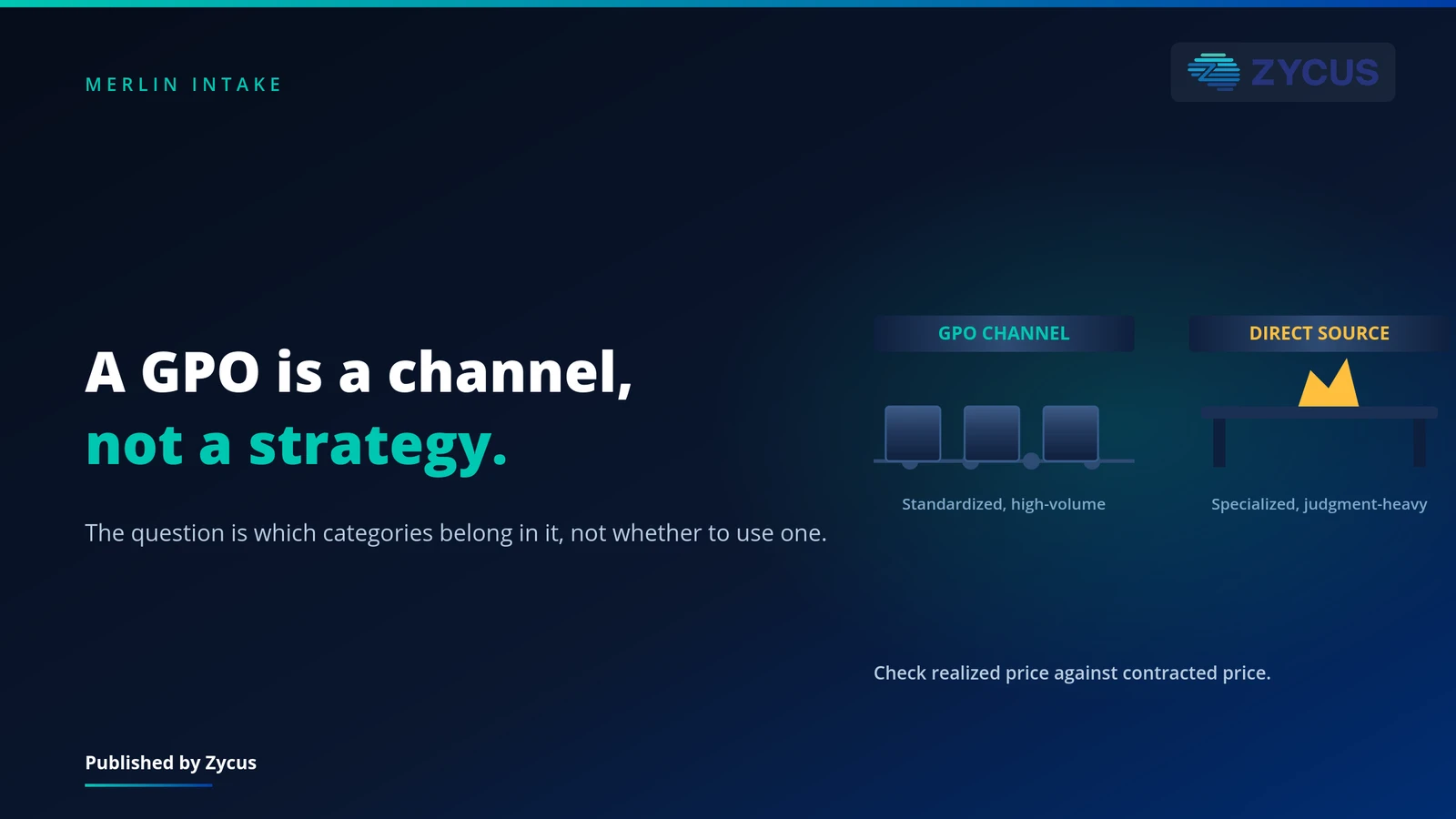
The failure mode worth naming is subtle, and Figure 2 shows its shape. Assistance is most confident on the requirements that are most generic, because those are the ones best represented in whatever it learned from. It is least confident on the requirements specific to your setting, which are the ones that actually differentiate suppliers.
That inverts the review effort you would naturally apply. The polished generic sections need less scrutiny than they attract, and the awkward specific ones need more.
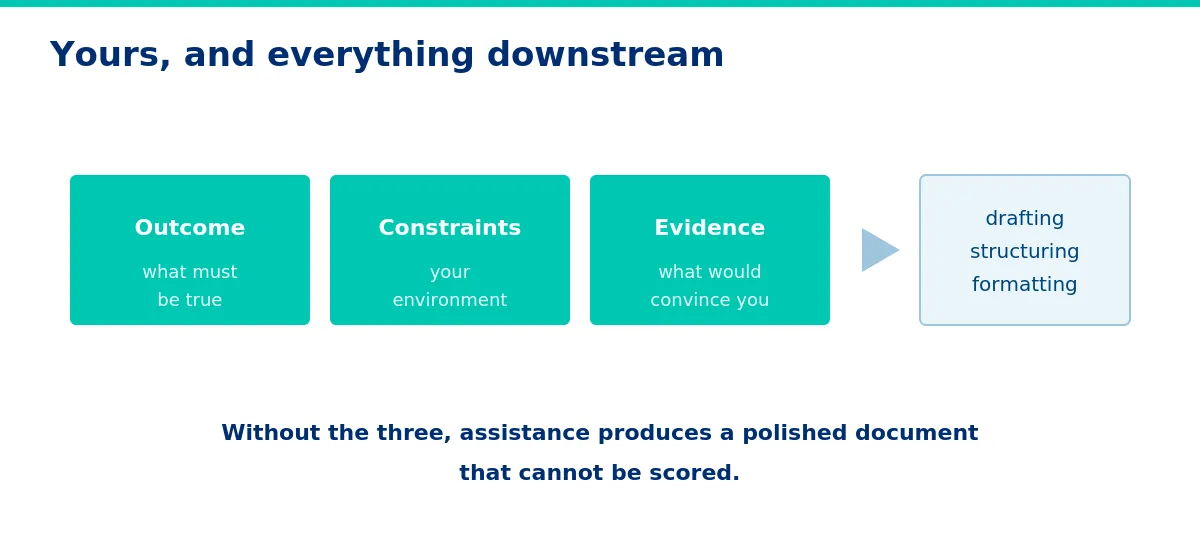
Figure 1: Three inputs are yours. Everything downstream can be assisted.
Where does requirement extraction actually help?
On the reuse problem rather than the writing problem.
Most health systems have run the requirement before. A previous RFP, a completed evaluation, or a contract holds requirements already tested against real suppliers. Extracting those into a reusable form is genuinely valuable, and it is a retrieval task rather than a generative one.
McKinsey was surveying adoption across healthcare rather than sourcing specifically. The bearing here is that administrative efficiency being named most often is consistent with the distinction above: the return sits in assembling and reusing material that already exists, not in generating judgment that does not.
Deloitte surveyed financial preparedness rather than requirement drafting. The connection here is one of pressure: margin targets on a two-year horizon compress the time available for sourcing cycles, which is what makes reuse of tested requirements more valuable than faster generation of new ones.
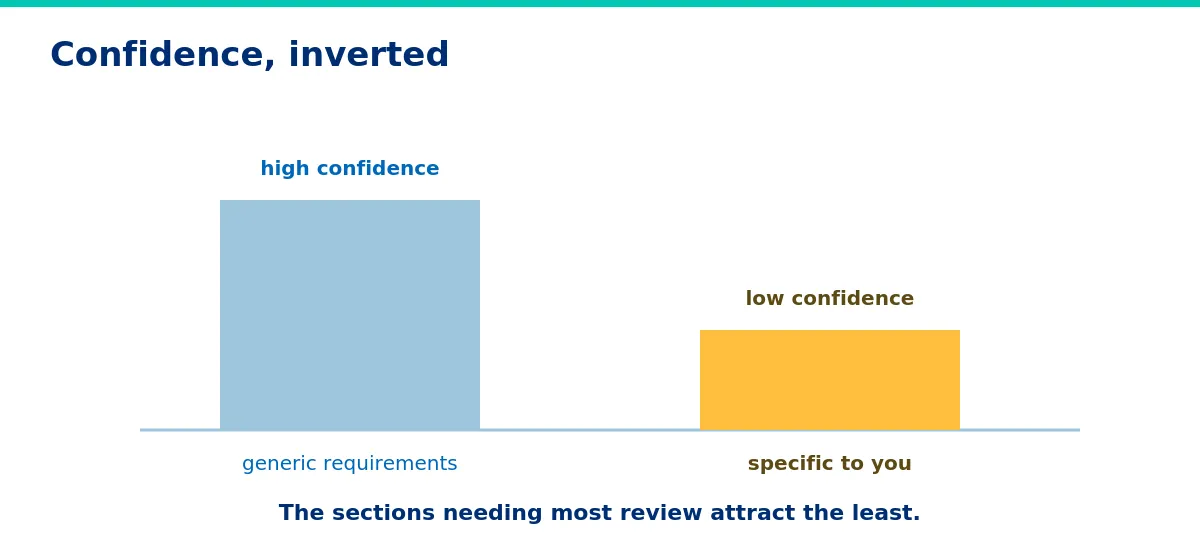
Figure 2: Assistance is most confident where it matters least.
What does HIPAA actually constrain?
Less of the drafting than people assume, and more of the handling.
An RFP for clinical technology rarely contains protected health information in the requirements themselves. Where PHI enters is in the supporting material: sample data sets, integration specifications with real identifiers, incident histories, and the responses suppliers return.
Three practical rules follow. Do not put PHI into a drafting tool, because it is not needed to write a requirement. Where a supplier needs sample data to respond meaningfully, use synthetic or de-identified sets and say so in the RFP. And treat the business associate agreement question as applying to your own tooling, not only to the eventual supplier.
That last one is the gap. A drafting assistant that never touches PHI needs no BAA. One that ingests incident histories or integration specifications containing identifiers is a different conversation, and it is worth establishing which you have before the first document rather than after.
How do you keep AI-assisted requirements scoreable?
By writing the scoring answer alongside the requirement, whoever or whatever drafted it.
For each requirement, state what a full-marks response contains. This single discipline catches most of what goes wrong with generated requirements, because a requirement that cannot have its ideal answer described is a requirement that will produce incomparable responses.
Then check for the specific failure mode of assisted drafting: requirements that are plausible for healthcare generally but wrong for your setting. A generated requirement about interoperability standards may name the right standard and the wrong version, or a version your integration engine does not support. Plausibility is not accuracy, and reviewing for plausibility is the mistake to avoid.
One practical rule holds across all of this. Whatever drafted a requirement, the person who signs it off is accepting it as their own statement of what the organization needs. Framing review that way tends to produce more scrutiny than asking someone to check an AI output.
It also settles the accountability question before it is raised, which matters where the eventual award may be examined.
Who reviews the output, and against what?
Clinical reviews clinical requirements. IT reviews integration and security requirements. Procurement reviews scoreability and commercial terms.
That is the same division as any RFP, and the reason to restate it is that assisted drafting produces documents faster than the review capacity that has to absorb them. A team producing three RFPs in the time it previously produced one has not gained capacity if the same clinicians review all three.
The CAQH Index, drawing on more than 600 provider organizations and health plans covering 63% of insured lives, identified a $20 billion opportunity to reduce administrative waste, attributing the remaining cost to manual tasks.
CAQH measured administrative transactions rather than sourcing documents. Its bearing here is that the manual work it describes is the same profile as rebuilding a requirement that already exists elsewhere in your own records, which is where assistance returns most.
Used this way, assistance moves the constraint rather than removing it. That is a real gain and it is a smaller claim than the one usually made for it.
Successfully implementing AI-assisted RFP requirements does not mean abdicating buyer judgment; rather, it requires setting strict parameters around outcomes, environmental constraints, and evidence standards while using automation for material reuse and document structuring. By avoiding HIPAA pitfalls, reviewing generated text for true accuracy rather than mere plausibility, and maintaining rigorous scoring answers alongside every requirement, health systems can accelerate sourcing without sacrificing precision.
Ready to streamline your requirement gathering and build governed, RFP-ready strategies? Request a demo today to see how Zycus transforms healthcare procurement workflows.
Frequently asked questions
1. Can AI write an RFP for a health system?
It can draft, structure, and format one, and it can extract reusable requirements from previous RFPs and contracts. It cannot decide what outcome you need, what constraints apply in your environment, or what evidence would satisfy you. Those three inputs remain the buyer’s judgment and determine whether the output is usable.
2. What should buyers specify before using AI assistance?
The outcome that must be true after implementation, the constraints including regulatory and integration realities, and the evidence standard defining what a supplier must show. Without those three, assistance produces a polished document that cannot be scored, which is harder to spot than an obviously thin one.
3. Does HIPAA prevent using AI to draft an RFP?
Not usually, because the requirements themselves rarely contain protected health information. The constraint applies to supporting material such as sample data sets, integration specifications with real identifiers, and incident histories. Keep PHI out of drafting tools, since it is not needed to write a requirement.
4. Do you need a business associate agreement for a drafting tool?
It depends on what the tool ingests. A tool that never receives protected health information does not require one. A tool ingesting incident histories or integration specifications containing identifiers is a different case, and establishing which you have belongs before the first document rather than after.
5. How do you check whether a generated requirement is any good?
Write the answer that would score full marks. If you cannot describe it, suppliers cannot produce it and responses will not be comparable. Then check specifically for requirements that are plausible for healthcare generally but wrong for your setting, such as a correct standard at the wrong version.
6. What is the biggest risk of AI-assisted RFP drafting?
Plausibility mistaken for accuracy. Generated requirements read as competent and may name the right concepts with the wrong specifics, which is harder to catch than an obviously poor requirement. Reviewing for plausibility rather than against your own environment is the error to avoid.
7. Does faster drafting shorten the sourcing cycle?
Only if review capacity keeps pace. Producing three RFPs in the time previously needed for one delivers nothing if the same clinicians must review all three. Drafting is rarely the constraint in healthcare sourcing, which is why the gain shows up as reuse rather than as speed.
8. Should suppliers be told AI assisted the drafting?
There is no general obligation, and saying so costs little where it clarifies expectations, particularly if synthetic data is being supplied for response purposes. What matters more is stating the evidence standard clearly, which is the part suppliers actually respond to.