


In healthcare supply chain management, group purchasing organizations (GPOs) are nearly universal, yet the decision of which categories actually belong in a GPO contract versus direct sourcing is frequently made by default rather than analysis. While GPOs deliver powerful economies of scale and administrative efficiencies for commoditized medical supplies, applying them blindly to specialized clinical technology or purchased services often creates compliance friction and off-contract buying. Properly evaluating GPOs requires moving beyond aggregate headline savings and running disciplined category tests based on clinical standardization, internal volume leverage, and realized pricing gaps. In this guide, we break down when GPO channels serve your health system best and how to determine when direct sourcing wins.
TL;DR
- A GPO is a channel, not a strategy. The question is which categories belong in it.
- Three tests: the item is standardized, your own volume adds little leverage, and the administrative saving is real.
- Commoditized supplies usually pass all three. Capital equipment, specialized clinical technology, and purchased services frequently fail one.
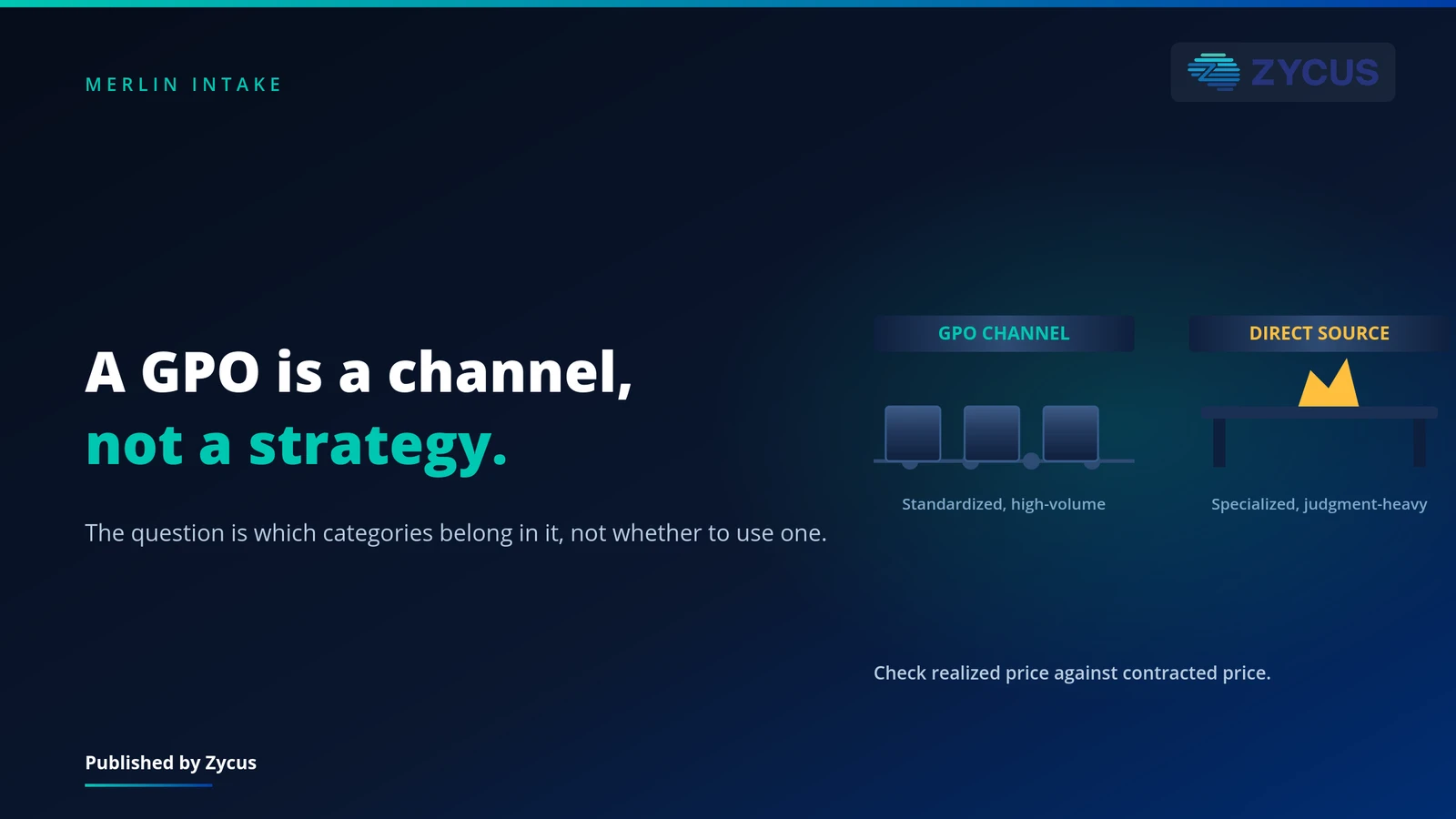
- Check realized price against contracted price. A contract clinicians route around is not delivering the modeled saving.
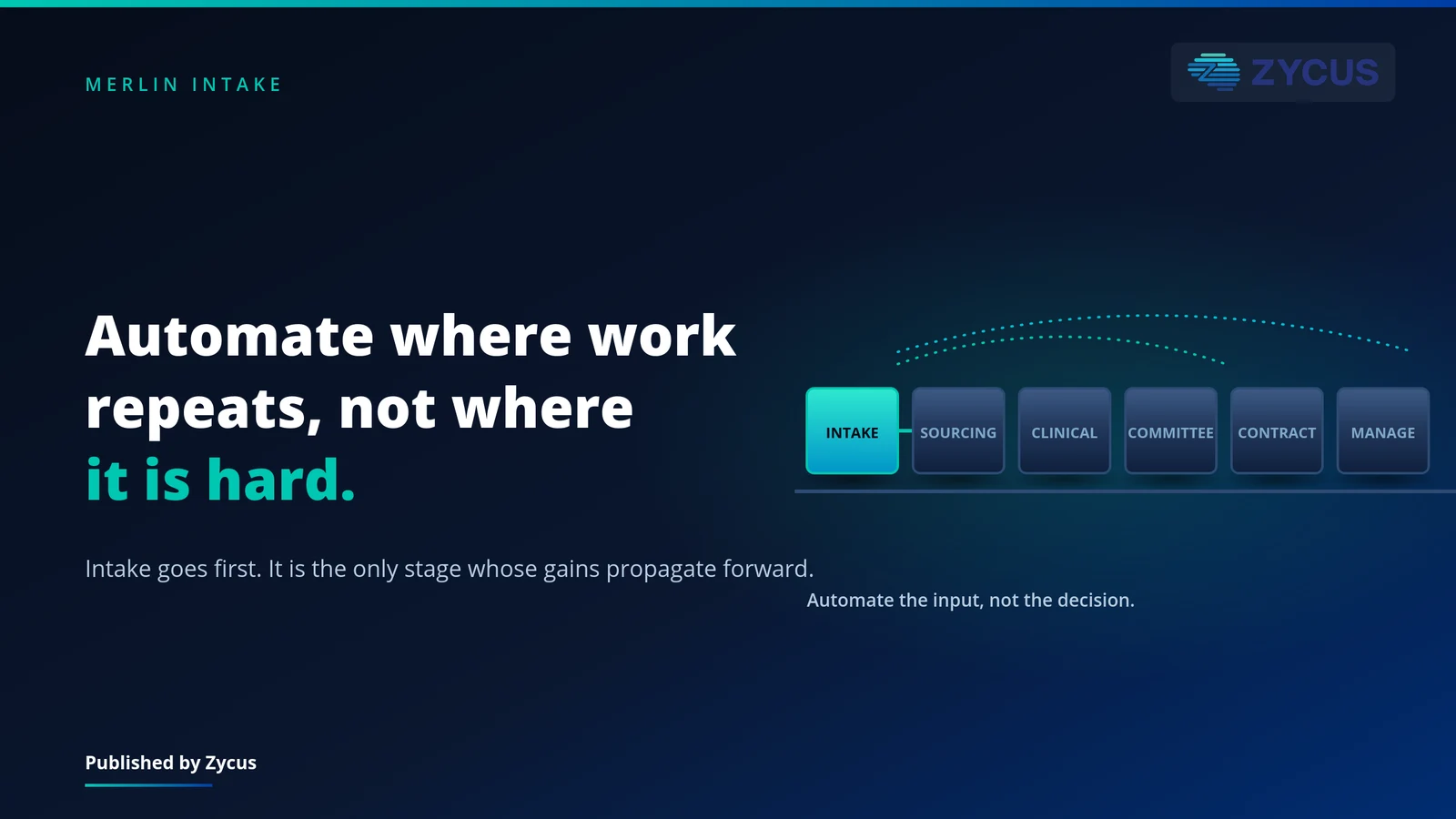
A GPO is a channel, not a strategy. The question is never whether to use one. It is which categories belong in it.
Almost every US health system already belongs to at least one. The decision that still gets made badly, or not at all, is which purchases run through the GPO contract and which are worth sourcing directly, and most organizations answer it by default rather than by analysis.
This is written for supply chain and sourcing leaders deciding where GPO contracts serve them and where they cost more than they save.
What does a GPO actually do?
It aggregates purchasing volume across members and negotiates pricing and terms with manufacturers and distributors on their behalf.
The value is real and it is concentrated in two places: unit price on commoditized items, and administrative effort avoided. Which of the two dominates varies by category, and confusing them is how channel decisions go wrong. A category chosen for price benefit that actually delivers administrative benefit will look like a failure measured against the wrong thing. A GPO contract removes the need to run a sourcing event, negotiate terms, and manage the supplier relationship for every category it covers. For a long tail of low-value categories, that second benefit routinely exceeds the first.
That study examined whether GPOs steer hospital product choice, not channel selection. What the figure establishes here is that GPO membership is effectively universal, which means the competitive question has shifted from whether to join to how well the membership is being used. Universal adoption also means membership itself confers no advantage, since every peer has the same access.
Does GPO scale actually reduce cost?
Yes, and the effect has been measured, as Figure 1 shows, which is unusual in this debate. Most claims about GPO value come from parties with an interest in the answer.
That study measured the effect of GPO scale on supply expenses across US hospitals. Two things follow for this decision. Scale demonstrably matters, so which GPO you belong to is a live question rather than a settled one. And the effect is measured on supply expenses generally, so it does not tell you which individual categories are best served by the channel. Aggregate effects and category decisions are different questions, and a strong aggregate result is often used to close a category question it cannot answer.
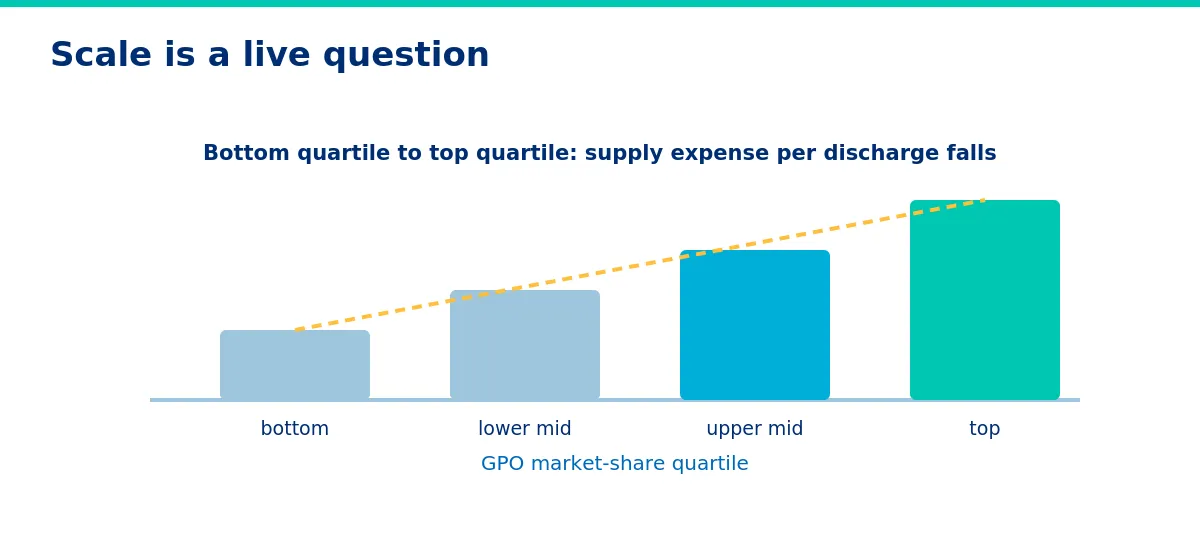
Figure 1: Supply expense per discharge falls as GPO scale rises.
Which categories belong in the GPO?
Three tests, and a category needs to pass all three. Passing two is the common case and it is precisely where the decision deserves attention rather than a default. Run them in order, since a category failing the first rarely recovers on the other two.
The item is standardized. If clinical preference varies meaningfully across your organization, aggregated pricing is negotiated against a specification your clinicians may not accept, and the saving evaporates in substitution. Standardization is a clinical judgment before it is a commercial one, and it should be established with clinicians rather than assumed from a category name.
Your volume adds little leverage. Where your own consumption is small relative to the market, aggregation is doing work you cannot do alone. Where you are a large buyer in a category, your direct leverage may exceed the aggregate discount. This is the test most often skipped, because membership is treated as a decision already made rather than a channel competing for each category.
The administrative saving is real. For long-tail categories, avoiding the sourcing event is often worth more than the price difference. For a category you would source carefully anyway, that saving does not exist.
Commoditized medical and surgical supplies usually pass all three. Capital equipment, specialized clinical technology, and purchased services frequently fail at least one, and failing one is enough to make the channel decision worth revisiting rather than inherited.
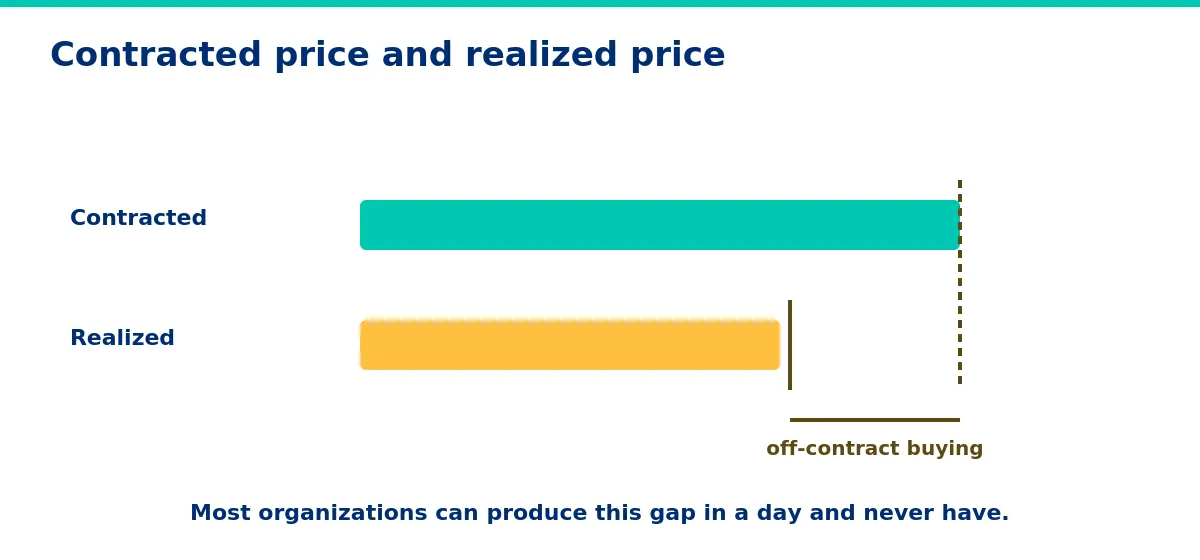
Figure 2: The gap between contracted and realized price.
Where does direct sourcing win?
Where clinical preference is strong, where your volume is large, or where the requirement is genuinely specific to you. Any one of the three is sufficient.
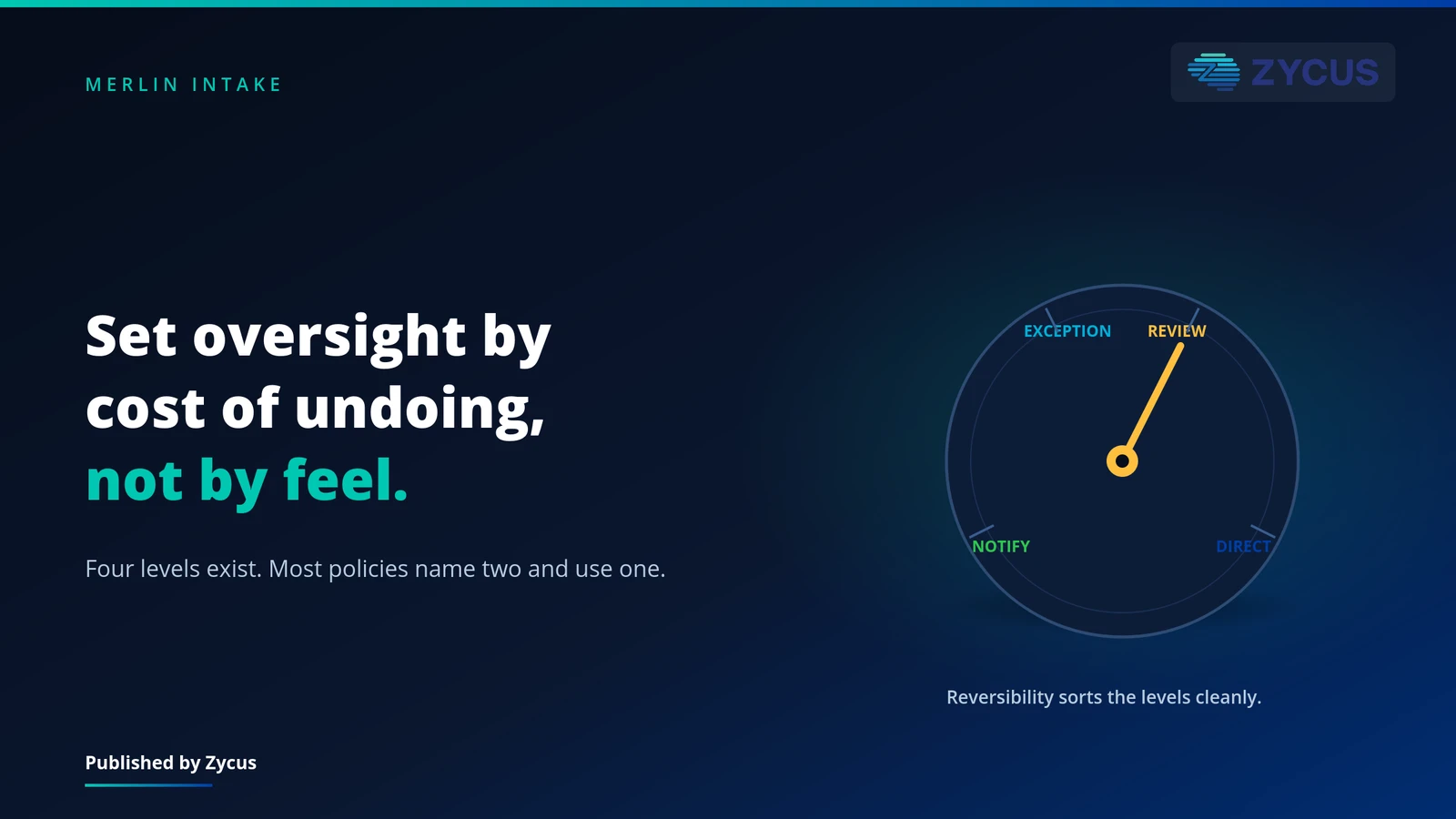
Clinical technology with meaningful physician preference is the clearest case. A GPO contract on a category where surgeons will not switch produces a compliance problem rather than a saving, and off-contract purchasing that follows is worse than never having contracted, because the organization now believes it holds coverage it does not have.
Purchased services are the second case. They are rarely standardized enough for aggregation to price accurately, and they are frequently the largest uncontracted spend in a health system, which makes them the category where channel choice is worth the most and receives the least attention. Facilities, clinical staffing, and outsourced diagnostics all behave this way.
How do you decide, in practice?
Run the three tests against your top twenty categories by spend, and expect the answer to be mixed. The exercise takes a day using spend data you already hold, and it is worth repeating annually because both clinical preference and your own volume shift while contracts do not.
Most health systems find a small number of high-value categories where direct sourcing clearly wins, a large number of long-tail categories where the GPO clearly wins, and a contested middle where the answer depends on local clinical preference. The contested middle is where the work is, and it is where a decision made once and never revisited costs the most, because clinical preference and your own volume both change while the contract does not.
Then check compliance rather than assuming it. Figure 2 shows the gap worth measuring. A GPO contract that clinicians route around is not delivering the modeled saving, and the gap between contracted price and realized price is the number worth knowing. Most organizations can produce it in a day and have never asked for it. The gap is usually concentrated in a small number of categories, which makes it actionable rather than merely discouraging, and those categories are almost always the ones with the strongest clinical preference.
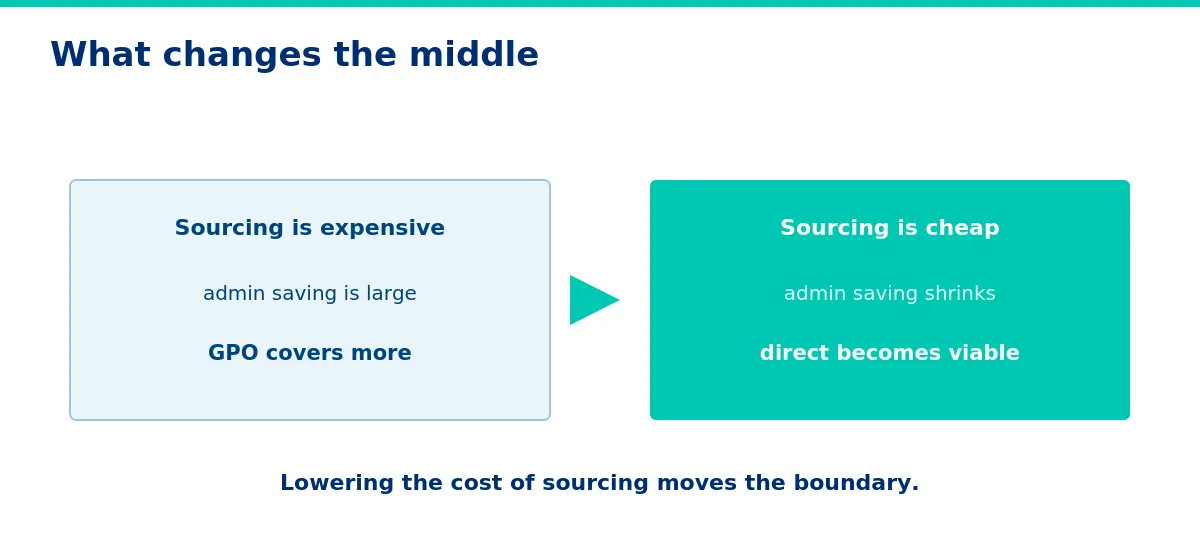
Figure 3: Cheaper sourcing moves the boundary.
Effectively evaluating GPOs is not about abandoning group purchasing alliances—it is about treating the GPO as a strategic channel rather than a blanket solution for every hospital category. By testing your top spend categories against clinical standardization, direct volume leverage, and administrative savings, you can optimize your channel mix and close the gap between contracted and realized prices.
Ready to streamline direct sourcing events for contested clinical categories and integrate procurement workflows? Request a demo to see how Zycus Merlin Autonomous Sourcing builds flexible, RFP-ready strategies from intake to execution.
Frequently asked questions
1. What is a group purchasing organization?
A GPO is a supply chain intermediary that aggregates purchasing volume across member healthcare providers and negotiates pricing and terms with manufacturers and distributors on their behalf. Members access those contracts without running their own sourcing event, which delivers both unit price benefit and administrative saving.
2. Do GPOs actually save money for hospitals?
Independent research indicates they do, and that scale matters. Peer-reviewed work found that moving from a bottom-quartile GPO to a top-quartile one reduced supply expenses per patient discharge by 4.8 percent for an average hospital. That measures supply expenses in aggregate rather than category by category, so it establishes the direction without settling individual channel decisions.
3. Should everything go through the GPO?
No. Categories where clinical preference varies significantly, where your own volume gives you strong direct leverage, or where the requirement is specific to your organization are frequently better sourced directly. A GPO contract clinicians route around produces a compliance problem instead of a saving.
4. Which categories are best suited to GPO contracts?
Commoditized medical and surgical supplies, pharmaceuticals, and long-tail categories where the administrative cost of running your own sourcing event exceeds the likely price difference. These pass the standardization, leverage, and administrative saving tests together.
5. When is direct sourcing better than a GPO?
When clinical preference is strong enough that a standardized specification will not be accepted, when your consumption is large enough that your own leverage rivals the aggregate, or when the requirement is genuinely specific. Capital equipment, specialized clinical technology, and purchased services often fall here.
6. Can a health system use more than one GPO?
Yes, and many do, holding a primary national agreement alongside regional or specialty agreements for particular categories. The trade-off is administrative complexity and the risk of diluting volume commitments, which can weaken tiered pricing under the primary agreement.
7. How do you measure whether GPO membership is working?
Compare contracted price against realized price by category, which exposes off-contract buying that the modeled saving assumes away. Then compare category coverage against your actual spend profile, since a GPO strong in categories you buy little of contributes less than its headline savings figure suggests.
8. Does GPO membership reduce competition?
It is a live question in the research literature, with critics arguing that aggregation concentrates purchasing among larger manufacturers. The evidence on cost is clearer than the evidence on competitive effect, and a health system can address the concern locally by sourcing contested categories directly rather than by exiting the channel.