







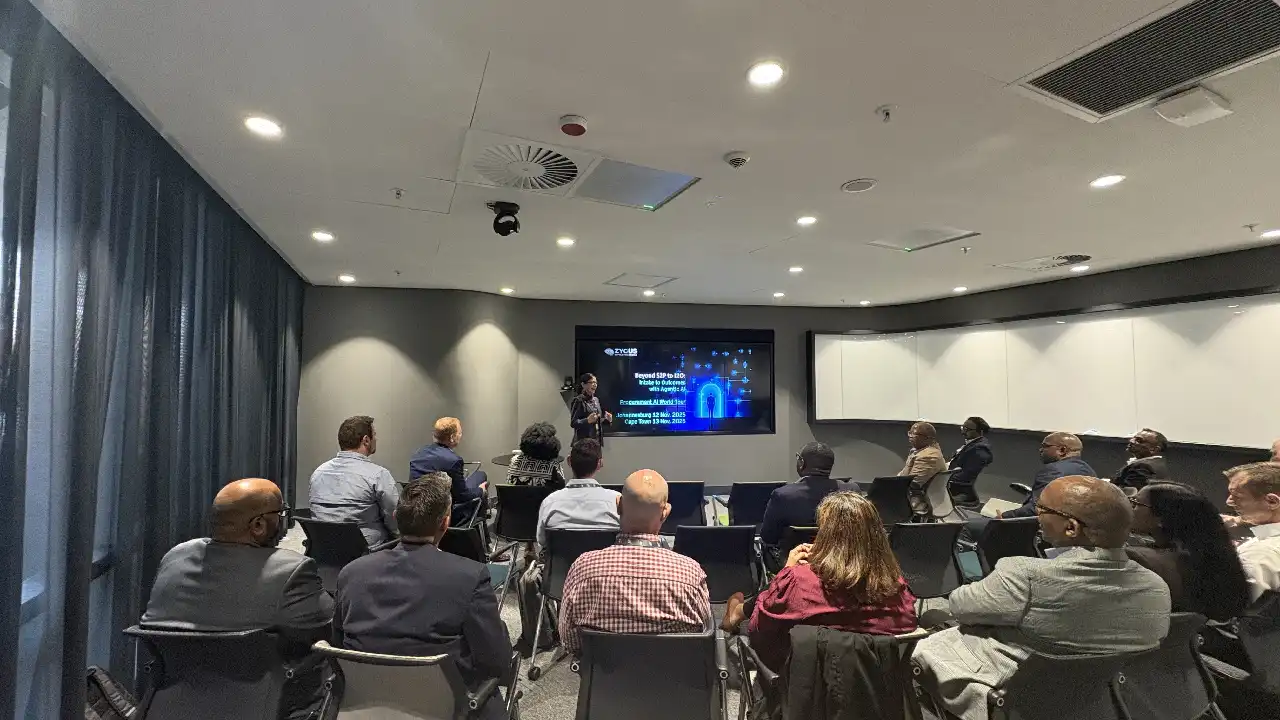

Last week, our Procurement AI World Tour made its stop in South Africa, and what an incredible two days it turned out to be.
From Johannesburg on 12 November to Cape Town on 13 November, the momentum was unmistakable: procurement in Africa isn’t just evolving — it’s accelerating into an AI-powered future.
These sessions were hosted by EY as part of the EY Insights: AI-Powered Procurement Innovation series. Together, we brought global insights, regional relevance, and bold conversations into one room.
Why South Africa, Why Now
Across Africa, procurement leaders are navigating a storm of global and local disruptions—from shifting trade policies and energy volatility to new sustainability mandates and digital transformation pressures. At the same time, the region’s supply chains are being redefined by bold leadership and technology adoption.
South Africa’s procurement leaders, in particular, are ready to leapfrog legacy thinking. The appetite for AI-native transformation is not only palpable—it’s urgent.
Download eBook: Transforming Procurement in South Africa: The GenAI Revolution
The Big Conversation: From Cost to Capability
During our sessions with EY’s Gloria Yekani-Peni, Rheinhardt Schulze, Jakob Schleu, and David Nightingale, we explored how Chief Procurement Officers (CPOs) are evolving from cost managers to chief value officers.
EY’s 2025 Global CPO Survey reinforced this shift:
- 84% of CPOs are investing in process innovation.
- 81% are enhancing technology and analytics.
- And resilience, sustainability, and compliance now rank as high as cost and quality in strategic importance.
The clear message? Procurement is being reimagined—not as a back-office function, but as a value engine driving enterprise growth .
Zycus’ Message: Beyond S2P to I2O — Intake to Outcomes
At Zycus, we’ve long believed that procurement transformation must go beyond Source-to-Pay (S2P) to deliver true business outcomes.
That’s why I shared how our Merlin Agentic AI platform helps organizations move from “chaotic intake” to “controlled outcomes.”
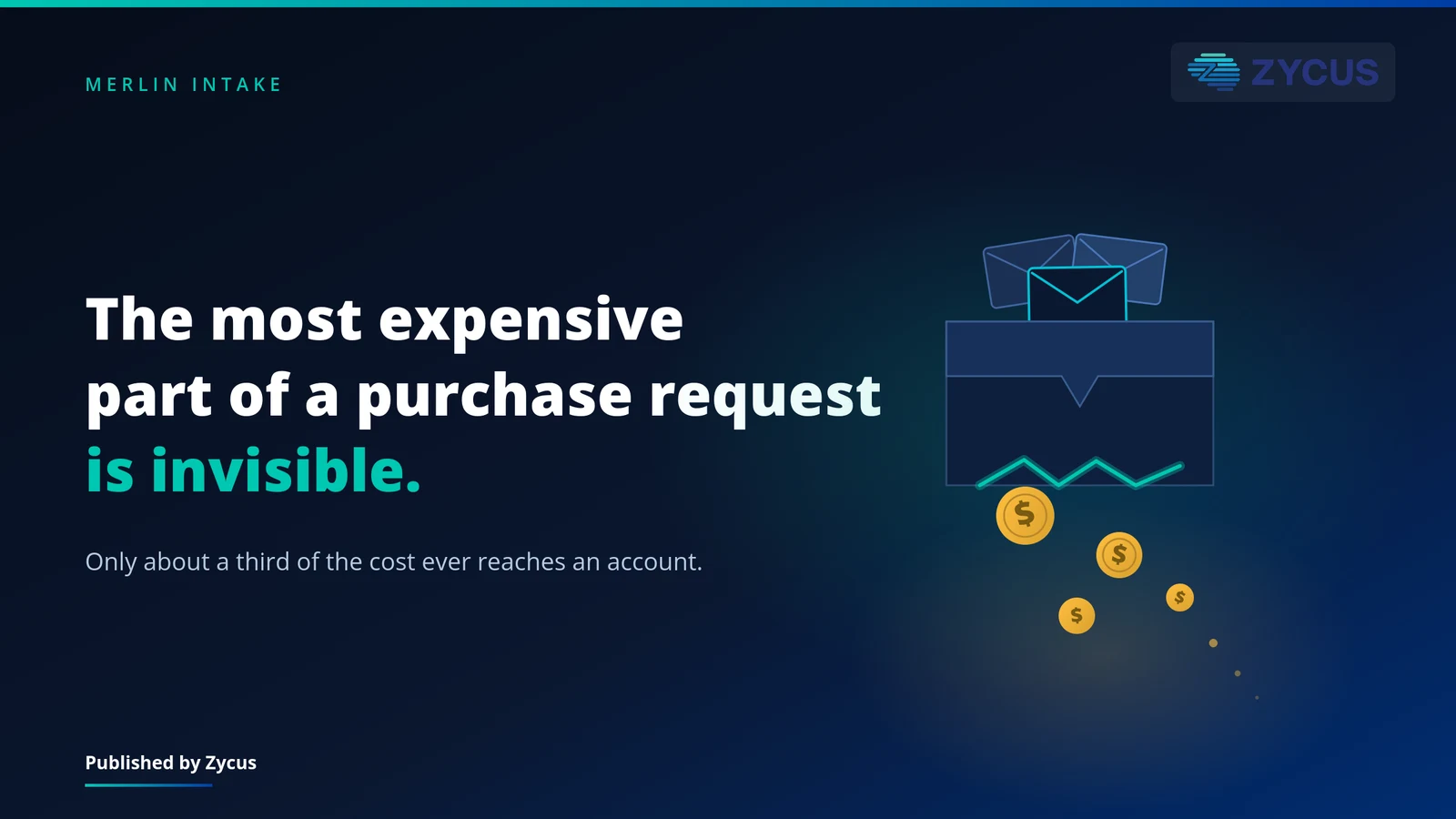
When 40% of procurement time is lost to intake confusion—“Who approves this?” “Where’s my PO?”—AI-driven orchestration becomes mission-critical.
Our Merlin Intake acts as a control tower, automating routing, enforcing policy, and reducing manual effort across sourcing, contracts, supplier management, and invoicing.
Because in procurement, a broken start means broken outcomes.
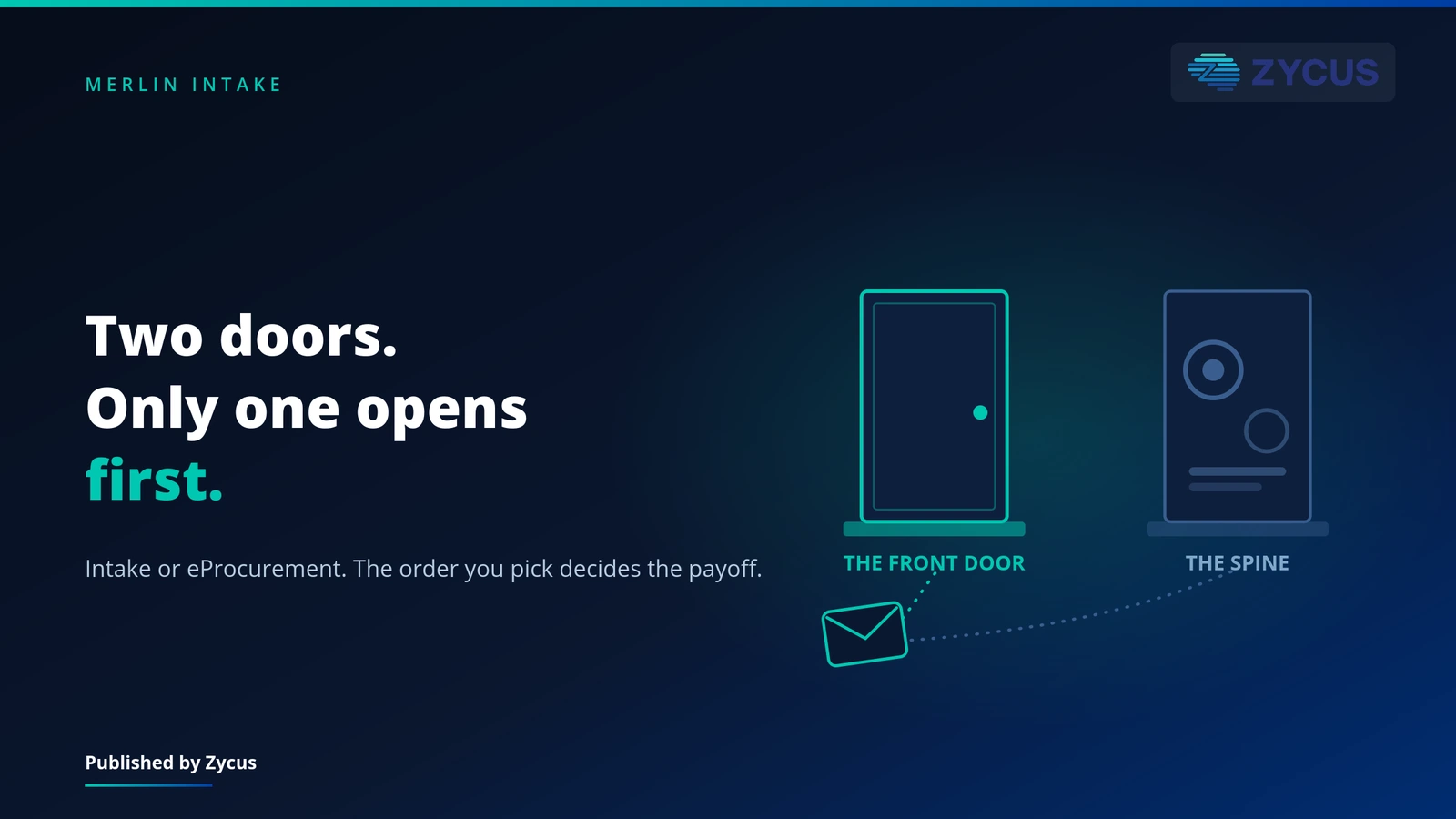
And when it comes to architecture, we made one thing clear: Built-in beats bolt-on, every time.
Integration shouldn’t be a compromise—it should be invisible.
A Cross-Industry Community Ready for Transformation
One of the highlights of the South Africa stop was the diversity of industries represented across the roundtable discussions.
In Johannesburg, participants joined from Utilities & Energy, Banking & Financial Services, Retail & Consumer Health, Telecommunications, Manufacturing & Automotive, Transport & Logistics and Consulting & Professional Services
In Cape Town, the audience included leaders from the Government & Public Sector, Insurance & Financial Services, Retail & Fashion, Healthcare & Pharmaceuticals, and Manufacturing & Industrial Services
These cross-industry perspectives created a rich environment for benchmarking procurement maturity, comparing transformation journeys, and exploring how AI can address sector-specific priorities—from compliance in utilities and banking, to supply continuity in retail, and workforce modernization in the public sector.
What Leaders Said: Themes From the Roundtables
Roundtable discussions and interactive polling surfaced four consistent priorities across industries:
- AI is operational, not optional.
Leaders want AI embedded into business processes, not sitting on the sidelines.
- Data readiness is now the differentiator.
Teams recognize that data governance, harmonization, and quality unlock the full value of AI.
- Governance and trust matter as much as automation.
Procurement leaders want a transformation that is compliant, transparent, and ethically grounded.
- Talent must evolve for the AI era.
Tomorrow’s procurement teams will combine:
-
-
- Business strategy
- Analytics and data fluency
- Commercial thinking
- AI and digital literacy
- Stakeholder leadership
-
Procurement transformation requires a new mindset, skillset, and toolset all working together.
Why This Stop Will Stay With Me
The level of engagement, the openness to challenge old assumptions, and the willingness to rethink the procurement role were truly inspiring.
Leaders across sectors demonstrated the ambition to not just modernize, but to leapfrog legacy models altogether.
This is exactly what the Procurement AI World Tour was created for:
- Breaking old paradigms
- Reimagining procurement’s full potential
- Moving organizations from operational burden to strategic velocity
And South Africa brought that mission to life in full force.
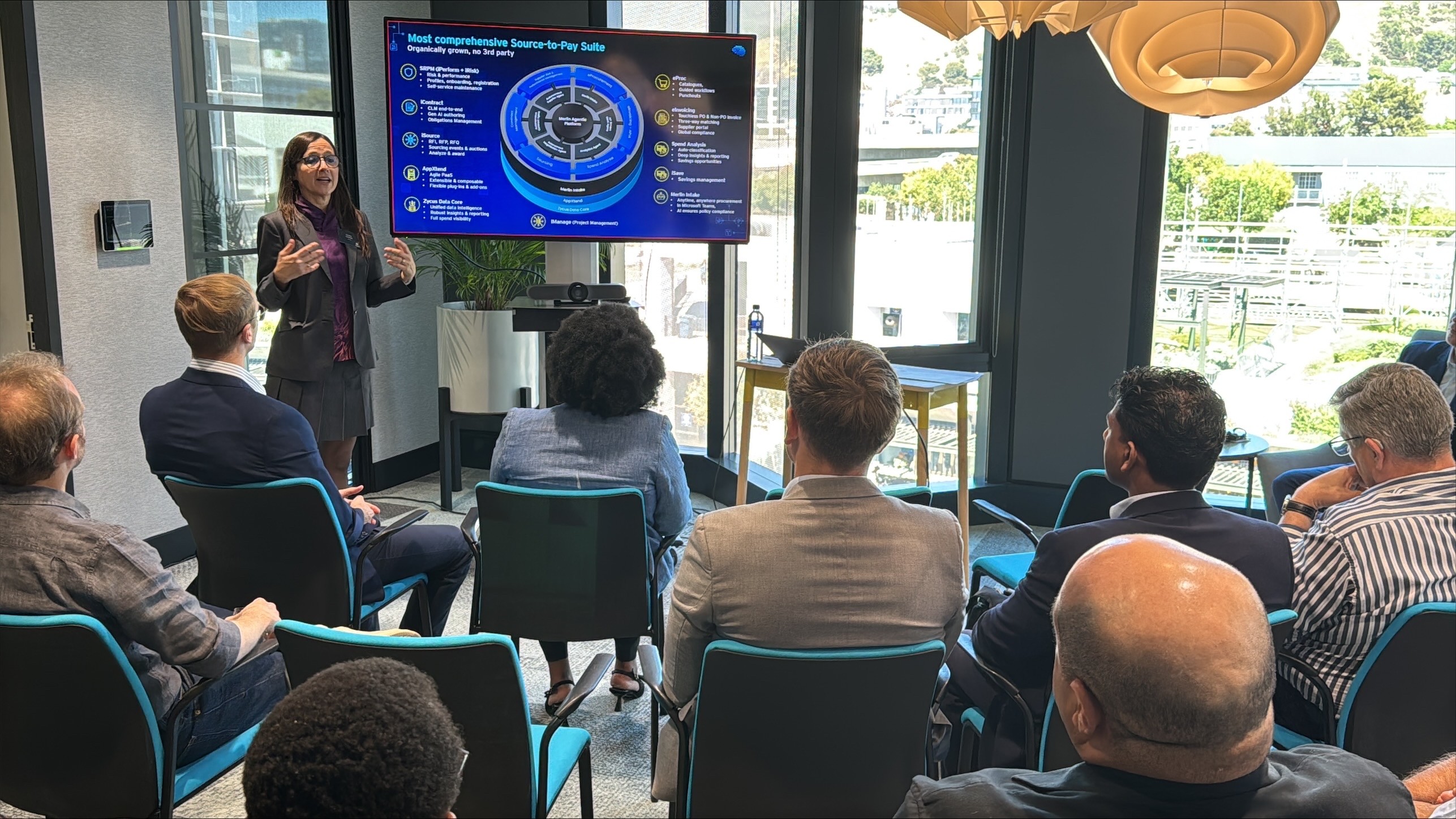
A Final Thank You
The feedback we received captures the spirit of the experience:
“An energizing and collaborative environment — thank you for showcasing how AI-native procurement helps organizations move from process chaos to proactive control.”
Our collaboration with EY — and the collective curiosity of every attendee — made these sessions truly special.
What’s Next
As we continue the Procurement AI World Tour across regions, one truth stands out:
Procurement’s future will be shaped not just by technology, but by the leaders bold enough to rethink what’s possible.
To everyone who joined us in Johannesburg and Cape Town, thank you for your energy, insights, and forward-thinking mindset.
Related Reads:
- Smart Cost Control for Procurement Managers: E-Procurement in Action
- Europe E-Invoicing Market: A Comprehensive Guide to Trends, Compliance, and Benefits
- How AI in Procurement Is Driving Analytics & Automation in the Nordics
- Maximizing Procurement ROI in the Nordics: Best Practices for Cost Reduction, Efficiency & Analytics
- How Supplier Management Software in the Nordics Enables Onboarding, Performance & Compliance
- The 2025 Buyer’s Guide to Procurement Software in Belgium: Trends, Tools, and EU Compliance