




There was a different kind of energy inside The One Restaurant, tucked into the heart of Toronto’s business district.
Not the usual “AI is coming” conversation. Not another abstract debate about what procurement might look like someday. This was sharper, more immediate, and much more practical.
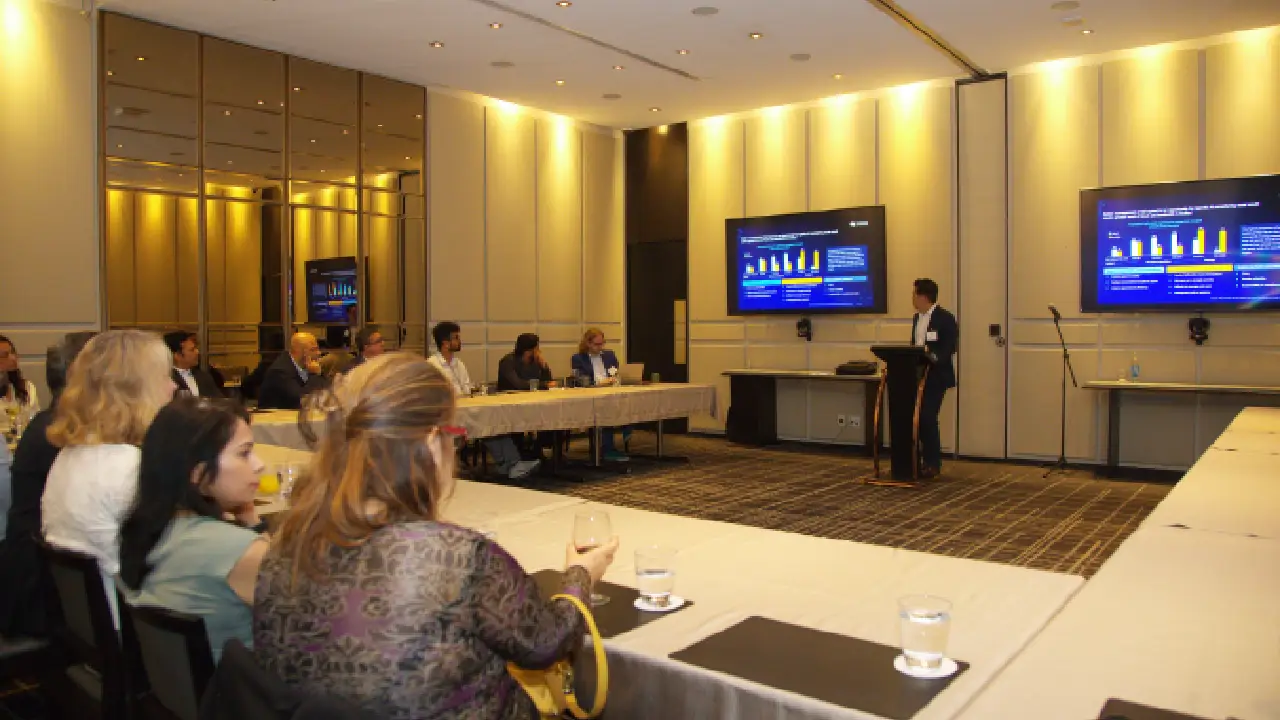
On June 25, 2026, 35 senior procurement, finance, and IT leaders came together in Toronto’s main business district for a closed-door Zycus AI World Tour roundtable. The question in the room was no longer whether agentic AI would change procurement. That part felt settled.
The real question was: how do we make it work inside an enterprise without losing control?
The room brought together leaders from major organizations including Sanofi, TCS, JLL, Allied Universal, and McCain Foods, alongside other senior procurement, sourcing, finance, and IT stakeholders from across Toronto’s enterprise ecosystem.
The event, titled Agentic AI in Procurement: From Insights to Action, lived up to its name. It was a working session on where procurement actually stands in 2026, what readiness gaps remain, and which use cases are practical enough to move from pilots to governed enterprise workflows.
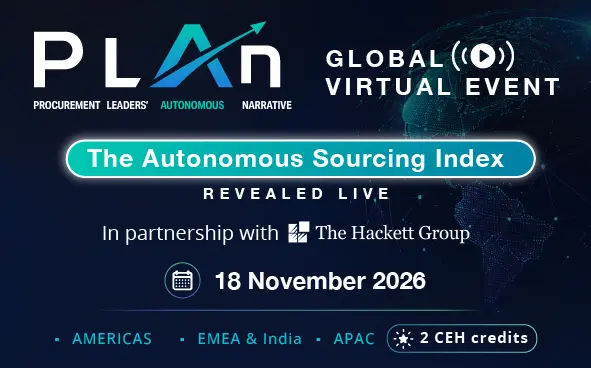
The conversation was anchored by The Hackett Group Agentic AI in Procurement Adoption Index 2026, with insights from Nick Xiao of The Hackett Group, alongside Michael McCarthy and Mike Flowers from Zycus.
The Toronto Briefing Started with the Mirror
The first part of the evening was not about technology. It was about pressure.
The Hackett Group’s research showed that procurement workload is projected to increase by 9.8%, while headcount and operating budgets are expected to grow only marginally. That imbalance framed the rest of the conversation.
Procurement teams are being asked to manage more work, more risk, more stakeholders, and more transformation without a matching increase in resources. The old answer was process improvement. The new question is whether agentic AI can help procurement absorb that pressure without losing governance.
That is why the Toronto discussion moved quickly beyond “Will AI matter?” Everyone in the room already understood that it will. The sharper question was whether organizations are ready to let AI move from advising to acting.
The Hackett benchmark showed strong belief in the potential of agentic AI. More than 75% of procurement leaders are confident it will deliver real value. But less than 50% feel prepared to monitor and govern it.
That gap became one of the central themes of the evening.
The Readiness Gap is Not Just Technical
One of the clearest takeaways from the roundtable was that technology is not the only obstacle.
Many organizations have already made progress on cloud platforms, data infrastructure, security, and scalability. The harder gaps sit in governance, ethics, skills, culture, and change management.
That distinction matters because agentic AI is not just another automation layer. If AI agents are going to classify requests, route work, trigger sourcing steps, support negotiations, and recommend or execute next actions, organizations need clear rules around ownership, boundaries, and escalation.
Who defines what the agent can do? Who decides when the human steps back in? Who monitors performance? Who owns the risk if an autonomous workflow moves in the wrong direction?
The answer cannot sit only with procurement or IT. Procurement owns the workflows and spend. IT owns the architecture, security, and control environment. Finance often owns the business case. The operating model has to bring all three together.
That was especially clear in a room that included procurement, finance, and IT leaders. The discussion was not about whether the technology could perform. It was about whether the enterprise was ready to govern it.
Cutting Through the Noise Around “AI”
Today, almost everything is being called AI. A copilot that answers a question is AI. A GenAI tool that summarizes a document is AI. An autonomous agent that decides the next step and acts inside a workflow is also AI.
But these are very different things.
The Toronto conversation separated AI into three practical categories:
- Assist: AI that answers questions. The human still does the work.
- Augment: AI that completes a task faster. The human still decides what happens next.
- Autonomous: AI agents that act toward a defined goal within business rules, policies, and governance boundaries.
For procurement leaders, this distinction is critical. The real value of agentic AI is not in adding another assistant to an already complex workflow. It is in changing how work moves through procurement.
That is the shift from intelligence to action.
Where Agentic AI Starts to Become Practical
The Toronto discussion kept returning to three practical starting points: intake, autonomous negotiation, and spend analytics.
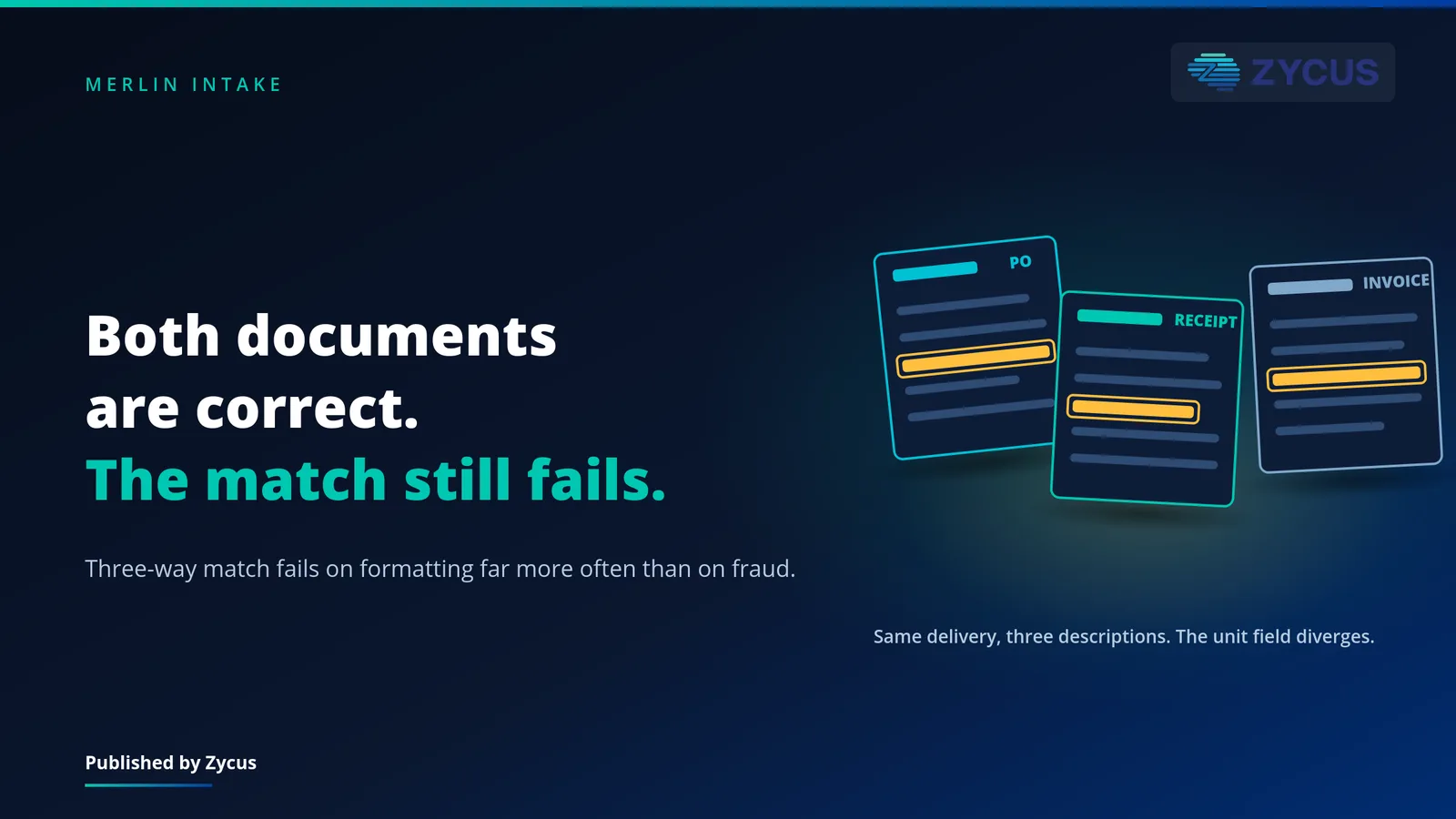
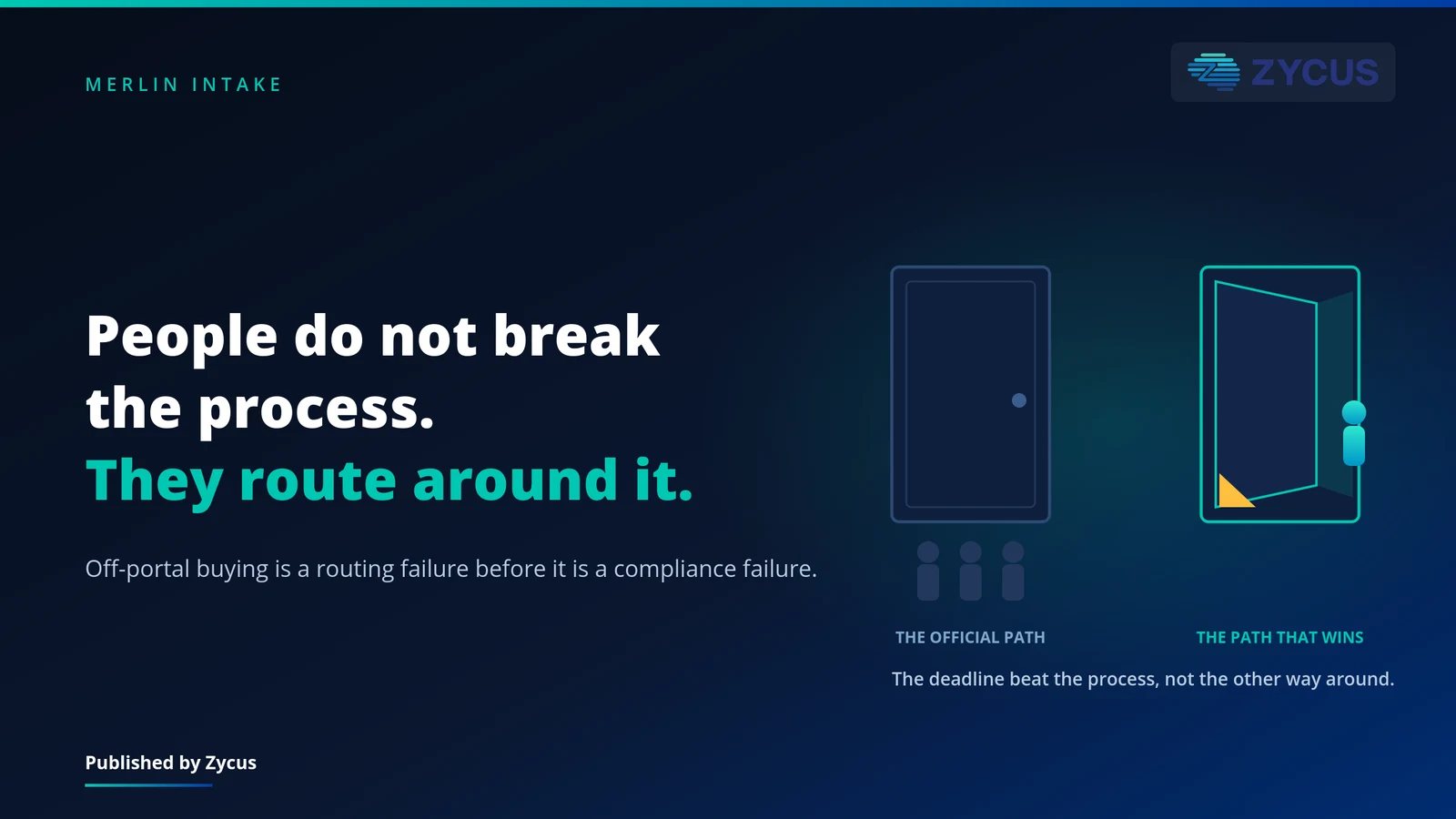
Intake stood out because it is where procurement friction becomes visible to the business. Requests still begin through email, chat, spreadsheets, unclear forms, or informal stakeholder messages. Business users want speed. Procurement needs compliance. Finance wants control. IT wants systems that do not create more fragmentation.
That is why the Hackett benchmark showing 66% of organizations deploying or planning to deploy agentic AI for intake management and orchestration felt especially relevant.
This is where Zycus Merlin Intake connected with the conversation. It was positioned not as another request form, but as an AI-powered control tower that can help classify, route, govern, and resolve procurement requests through policy-driven workflows connected to the Source-to-Pay backbone.
The second starting point was autonomous negotiation, especially for tail spend. Tail spend remains high-volume, fragmented, and difficult to manage manually. Yet it continues to create savings leakage, supplier sprawl, compliance gaps, and avoidable manual effort.
The Hackett data showed that 86% of procurement leaders are likely or very likely to consider AI-powered agents for autonomous negotiation in low-risk purchasing scenarios like tail spend.
That made Zycus ANA, the Autonomous Negotiation Agent, a natural part of the discussion. The point was not to replace strategic sourcing judgment. It was to let procurement define the rules, then allow agents to execute repetitive, low-risk negotiations within those boundaries.
Spend analytics completed the picture. If intake is the front door and autonomous negotiation is the execution layer, spend analytics is the visibility layer that tells leaders where to begin. Procurement cannot automate what it cannot see. Leaders need to know where spend is fragmented, which suppliers are expanding without governance, and where categories are leaking value.
Together, these use cases made the Zycus point of view clear: agentic AI cannot be a thin layer added on top of disconnected systems. It has to be built into the procurement workflow, connected to policies, approvals, suppliers, contracts, and spend data.
The Real Question Became Governance
By the time the discussion moved into the roundtable portion, the conversation had shifted from possibility to control.
Which workflows are ready for autonomy? Which categories are structured enough? Where should humans remain in the loop? What policies need to be embedded? How should exceptions be escalated? How should success be measured?
That is the real work of moving from insight to action.
Agentic AI adoption is not just about choosing a tool. It is about deciding where the organization is ready to let AI act, how those actions are governed, and how outcomes are measured.
What Toronto Procurement Leaders Took Away
The Toronto AI World Tour roundtable made one thing clear: Canadian procurement leaders are not treating agentic AI as a distant idea. They are actively working through where it fits into their 2026 priorities.
The strongest starting points were clear: intake and orchestration, because the front door of procurement remains one of the most visible sources of friction; autonomous negotiation, because tail spend offers a practical environment for governed AI execution; spend analytics, because leaders need visibility before deciding where agents should act; and governance, because every autonomous workflow needs boundaries, ownership, escalation, and accountability.
The organizations that move first will not necessarily be the ones with the flashiest AI demos. They will be the ones that connect agentic AI to real procurement workflows, define the boundaries clearly, and build the operating model around measurable outcomes.
For leaders who want to compare their own readiness against the market, download The Hackett Group Agentic AI in Procurement Adoption Index 2026.
For those looking to continue the North American conversation, Horizon US 2026 will bring procurement leaders together from September 21–23, 2026, at The Ritz-Carlton Bachelor Gulch in Beaver Creek, Colorado.
From Intelligence to Action
The intelligence is here. The benchmarks are here. The use cases are becoming clearer.
Now the question is execution.
Agentic AI in procurement will not be defined by how many tools claim to use AI. It will be defined by whether those tools can execute across governed workflows, inside the systems procurement already depends on, with measurable outcomes attached.
That was the real story in Toronto.
Not that procurement leaders are interested in agentic AI. They already are.
The story is that the conversation has moved on.
The question now is how quickly organizations can turn that interest into governed execution.
To see how Zycus can help your procurement team move from insight to action, request a demo.
Related Reads:
- Overcoming Resistance to AI Adoption in Procurement Teams
- eBook: Procurement AI Adoption Index 2025–26: From Pilots to Procurement Autonomy
- Overcoming Resistance to AI Adoption in Procurement Teams
- The AI Procurement Maturity Journey: How to Get There?
- Change Management for AI Adoption: Preparing Mid-Market Teams for New Tools