








TL;DR
- Procurement software for construction helps manage project-based buying, supplier complexity, and volatile material costs.
- Manual procurement processes increase cost overruns, delays, and compliance risks in construction projects.
- AI-driven construction procurement software improves sourcing, PO management, spend visibility, and supplier compliance.
- McKinsey highlights that digital procurement can reduce costs by 10–15% in capital-intensive industries like construction.
- AI-powered Source-to-Pay platforms enable better control, predictability, and accountability across construction projects.
- Zycus supports construction firms with AI-led procurement that simplifies cost, compliance, and operational complexity.
Why Procurement is More Difficult in Construction
Procurement in construction is not just about buying materials, it directly determines whether a project stays on schedule and within budget.
Each construction project operates independently, with its own scope, suppliers, materials, and timelines. Procurement teams must source everything from steel and concrete to specialized services, often under tight deadlines and changing market conditions.
Unlike other industries, construction procurement faces:
- Constant price volatility
- Frequent supplier changes
- Short-term subcontractor engagement
- Strict safety and regulatory requirements
This level of complexity makes manual procurement processes risky and inefficient. As projects scale, the need for procurement software for construction becomes unavoidable.
Download ebook: The Complete Procurement Gap in Energy Construction
Common Challenges in Construction Procurement
Lack of Spend Visibility
Many construction firms struggle to track spending across projects. Data is scattered across spreadsheets, emails, and ERP systems, making it difficult to:
- Monitor budget usage
- Identify overspending early
- Compare supplier pricing across sites
Without real-time visibility, cost overruns often surface too late.
Supplier and Subcontractor Risks
Construction procurement involves managing a large and constantly changing supplier base. Manual onboarding and tracking can result in:
- Incomplete documentation
- Compliance gaps
- Safety and legal risks
This increases exposure during audits and inspections.
Slow and Manual Purchasing
Manual purchase order processes lead to:
- Delayed approvals
- Incorrect or duplicate POs
- Poor alignment between contracts, POs, and invoices
These inefficiencies slow down projects and create disputes with suppliers.
Growing Compliance Pressure
Construction firms must comply with labor laws, safety standards, environmental regulations, and ESG requirements. Managing compliance manually makes organizations reactive instead of prepared.
Why Purchase Orders and Suppliers Create High Risk
In construction, procurement errors don’t stay small for long.
| Risk Area | Impact on Construction Projects |
| Manual PO creation | Delays, errors, and cost leakage |
| Unapproved suppliers | Regulatory and safety violations |
| Poor contract visibility | Missed terms and penalties |
| Invoice mismatches | Payment delays and disputes |
These risks highlight why traditional tools are no longer enough and why construction procurement software is becoming a strategic necessity.
How AI Changes Construction Procurement
AI brings intelligence, speed, and foresight to construction procurement.
Smarter Sourcing
AI-powered construction sourcing tools analyze historical spend, supplier performance, and market trends to help teams:
- Identify the right suppliers
- Run competitive sourcing events
- Detect pricing anomalies
This leads to better sourcing decisions, even in volatile markets.
Faster and More Accurate POs
AI ensures purchase orders:
- Align with approved contracts
- Stay within budget limits
- Follow the right approval workflows
This reduces errors and shortens procurement cycles.
Predictive Cost Insights
Instead of static reports, AI highlights:
- Early signs of cost overruns
- Unusual spending patterns
- Supplier-related risks
Procurement teams can act before problems escalate.
Continuous Compliance Checks
AI continuously validates suppliers and transactions against regulatory and policy requirements, reducing audit risks.
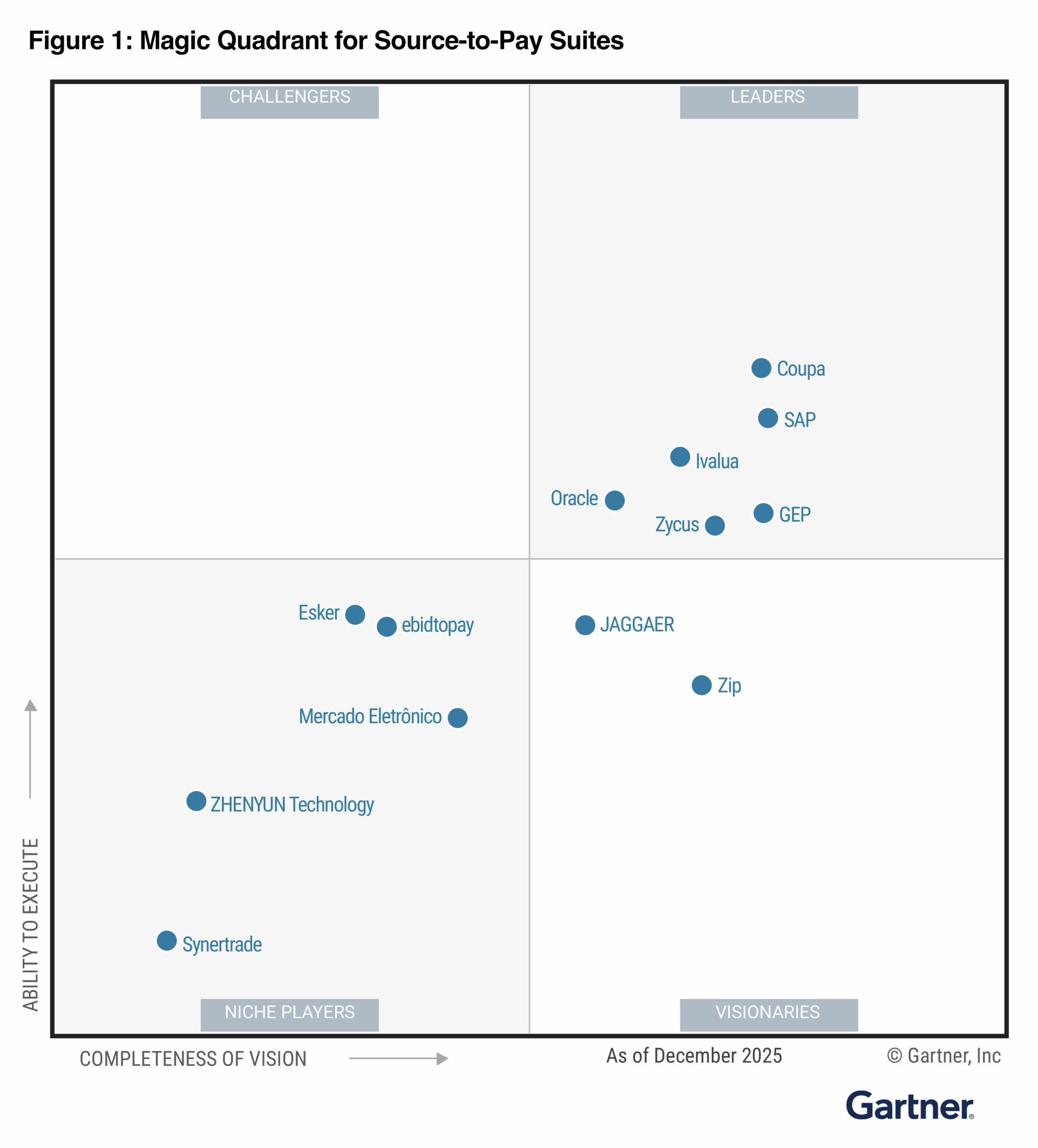
Gartner notes that AI-enabled procurement platforms significantly improve spend control and supplier risk management in complex industries like construction.
What Construction Firms Should Expect from Procurement Software
Not every procurement tool is suitable for construction. The right solution should support:
- Project-based sourcing and buying
- Supplier and subcontractor management
- Automated PO and invoice matching
- Real-time spend visibility
- Compliance and audit readiness
- AI-driven insights
This shifts procurement from a back-office function to a strategic enabler of project success.
Comparing Construction Procurement Software Options
Construction firms typically evaluate multiple approaches before choosing a solution.
| Capability | Manual Tools | ERP Procurement Modules | AI-Driven Construction Procurement Software |
| Project-based buying | Very limited | Limited | Strong and flexible |
| Supplier management | Manual | Basic | Automated and AI-enabled |
| Spend visibility | Low | Partial | Real-time and predictive |
| PO automation | Manual | Rule-based | Intelligent and automated |
| Compliance tracking | Reactive | Limited | Continuous and proactive |
| Scalability | Poor | Moderate | Enterprise-grade |
| AI insights | None | Minimal | Built-in AI and analytics |
This comparison shows why AI-driven Source-to-Pay platforms are increasingly preferred for construction procurement.
How Zycus Supports Construction Procurement
Zycus provides an AI-powered Source-to-Pay platform designed to handle the scale and complexity of construction procurement.
Zycus Capabilities for Construction Firms
| Construction Requirement | Zycus Capability |
| Strategic sourcing | AI-powered eSourcing |
| Cost control | Real-time spend analytics |
| Supplier risk management | Automated onboarding and compliance |
| PO efficiency | Intelligent PO creation and matching |
| Audit readiness | Centralized data and full traceability |
Zycus’ Merlin AI acts as a digital assistant, helping procurement teams make faster, more informed decisions across projects.
Business Benefits for Construction Organizations
Construction firms using AI-driven procurement software experience measurable benefits:
- Reduced sourcing and material costs
- Faster procurement and approval cycles
- Improved supplier accountability
- Fewer disputes and payment delays
- Stronger compliance and audit readiness
McKinsey highlights that digital procurement can reduce costs by 10–15%, making it one of the most effective levers for improving margins in construction.
Case Study: Improving Spend Control for a U.S.-Based EPC Company
A leading engineering, procurement, and construction (EPC) company in the U.S. faced challenges with decentralized procurement, limited spend visibility, and difficulty tracking purchase order commitments across projects.
By adopting procurement software for construction from Zycus, the company centralized spend data, improved PO tracking, and gained real-time insights into supplier and category-level spend.
As a result, procurement teams achieved better spend governance, reduced duplicate POs, and improved cost control across large, multi-project operations—helping leadership make faster, data-driven decisions.
Final Thoughts
Construction procurement is becoming more complex as costs rise, supply chains tighten, and regulations increase.
Organizations that invest in AI-driven procurement software for construction are better equipped to manage risk, control spend, and deliver projects on time and within budget.
Zycus helps construction firms transform procurement from a reactive function into a strategic advantage, powered by AI and driven by insight.
Learn how Zycus can help you manage cost, compliance, and complexity in construction procurement with AI-driven Source-to-Pay.
FAQs
Q1. How is procurement different in construction?
Procurement in construction is project-based, time-sensitive, and supplier-intensive. Each project has unique materials, timelines, and compliance requirements, making it more complex than standard procurement models.
Q2. What software do construction firms use?
Construction firms use construction procurement software that includes sourcing, supplier management, PO automation, and spend analytics. AI-driven Source-to-Pay platforms are increasingly common.
Q3. Why is AI important for construction procurement?
AI helps predict cost overruns, identify supplier risks, automate approvals, and provide real-time insights that manual systems cannot offer.
Q4. Can procurement software help reduce construction costs?
Yes. AI-powered procurement software improves spend visibility, enforces budgets, and identifies savings opportunities across projects.
Q5. What are construction sourcing tools?
Construction sourcing tools help firms find suppliers, run competitive bids, manage contracts, and optimize pricing in volatile markets.
Related Reads: