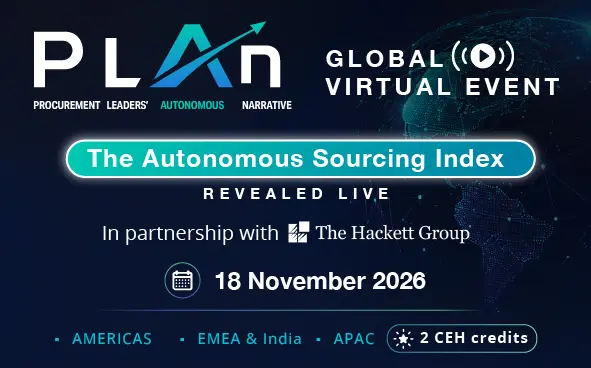
Zycus PLAN · Global Virtual Event · 3 Procurement World Premieres · November 18, 2026 Register Now

A dark graphic with the words two doors, only one opens first, beside drawings of a glowing front door and a dim panel

Procurement Intake vs eProcurement: Which Should You Implement First?

Procurement intake and eProcurement are not competing versions of the same tool. One improves how demand enters procurement. The other controls how approved demand becomes a purchase transaction. The right sequence depends on which part of that journey is failing today.  TL;DR  Procurement intake creates a governed entry point for requests, captures the context procurement […]

Procurement Intake vs eProcurement: Which Should You Implement First? Read More »
A dark graphic titled the sourcing autonomy framework, five levels from manual to governed outcomes, beside glowing rings

The Sourcing Autonomy Framework: five levels from manual events to governed outcomes

TL;DR The Sourcing Autonomy Framework defines five levels of maturity, from manual sourcing to governed, outcome-driven execution. Sourcing autonomy should be set by category, with different levels of AI involvement depending on risk, complexity, and business need. As organizations progress through the levels of sourcing autonomy, AI moves from assisting people to completing tasks and

The Sourcing Autonomy Framework: five levels from manual events to governed outcomes Read More »

Do you need structured intake or full eProcurement?

Do you need structured intake or full eProcurement?

TL;DR  Intake and eProcurement solve different problems. Intake replaces the front door, eProcurement replaces the transaction spine.  Four questions decide the sequencing: where spend leaks, whether the problem is capture or execution, what the ERP already does, and what reverses cheaply.  Intake is cheaper to reverse because it sits in front of existing systems. eProcurement becomes the system of

Do you need structured intake or full eProcurement? Read More »

ANZ Procurement Is Ready to Scale Agentic AI. Here's What Comes First

ANZ Procurement Is Ready to Scale Agentic AI. Here’s What Comes First

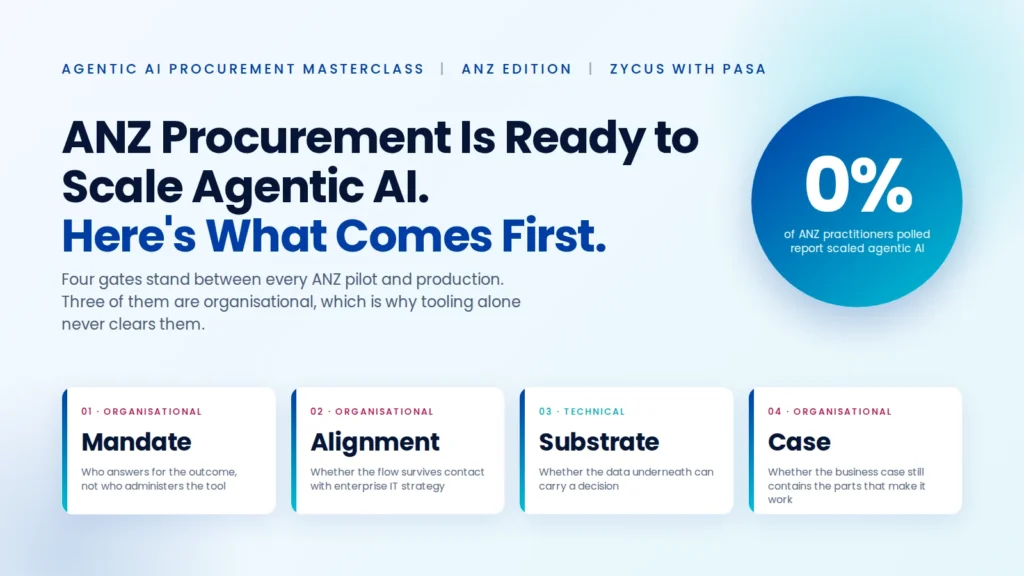
TL;DR  ANZ believes a slower agentic AI curve is buying it protection. It is not. Caution changes when agent debt becomes visible, not whether it accrues.  Zero per cent of ANZ practitioners polled reported scaled agentic AI, while 16% already ran point agents in isolation. Slow adoption does not prevent agent debt, it only delays when you see

ANZ Procurement Is Ready to Scale Agentic AI. Here’s What Comes First Read More »

The Clinical Operations Impact of Streamlined Procurement

The Clinical Operations Impact of Streamlined Procurement

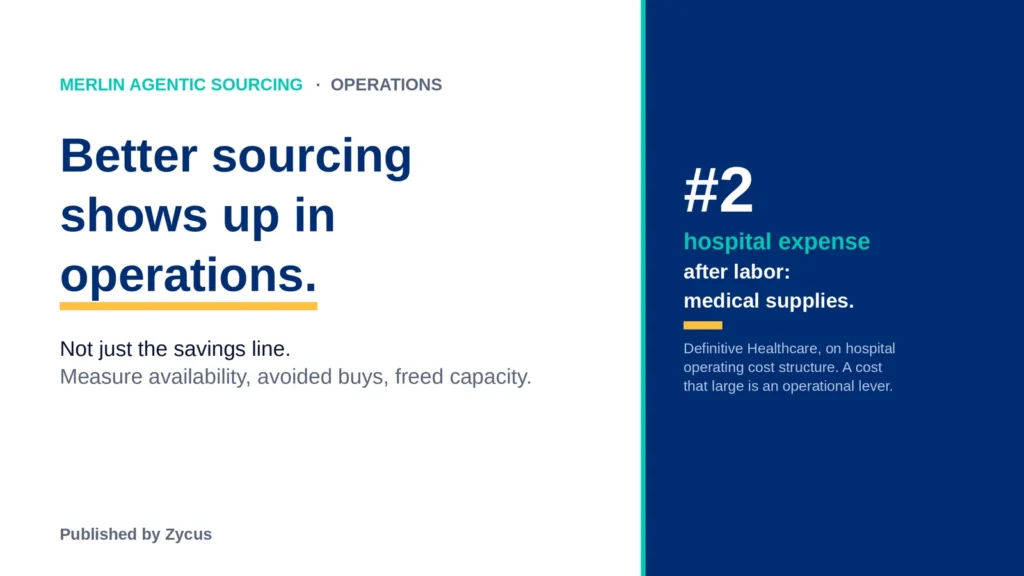
Medical supplies represent the second-largest cost a health system controls, with hospital supply expenses climbing steadily each year. Yet, treating sourcing strictly as a financial line item leaves immense operational value on the table. Implementing streamlined procurement directly improves hospital workflows by compressing the sourcing cycle and reducing costly operational delays. By shifting focus toward

The Clinical Operations Impact of Streamlined Procurement Read More »

Integrating RFP Automation with Existing Systems and Clinical Data Ecosystems

Integrating RFP Automation with Existing Systems and Clinical Data Ecosystems

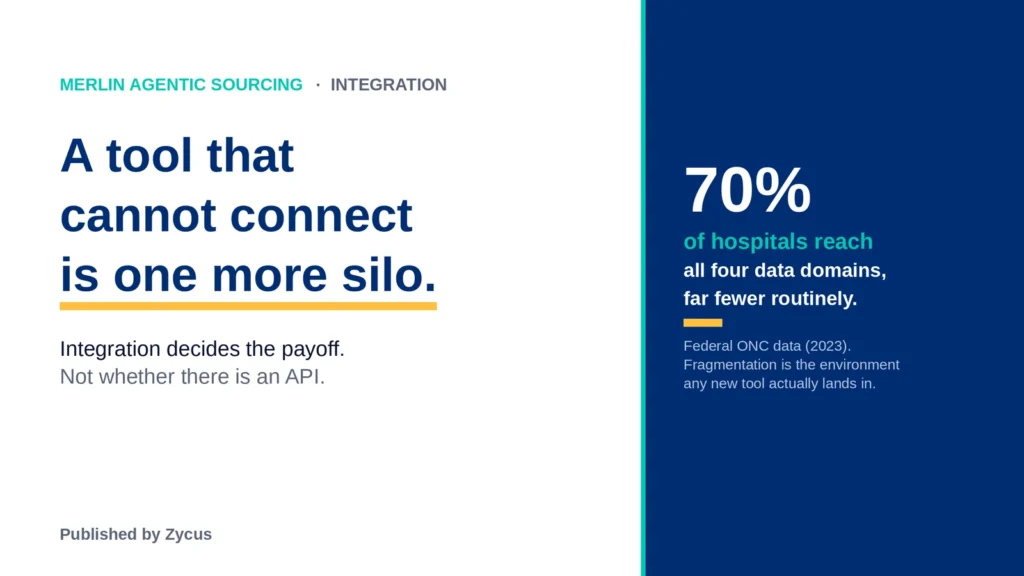
Connecting modern rfp automation tools to legacy enterprise systems and specialized health networks is the key to unlocking true clinical efficiency. When sourcing teams attempt to manage complex bids using isolated software, data silos form, manual rekeying slows down contract cycles, and critical compliance checks get missed. Achieving seamless healthcare RFP software integration ensures that

Integrating RFP Automation with Existing Systems and Clinical Data Ecosystems Read More »

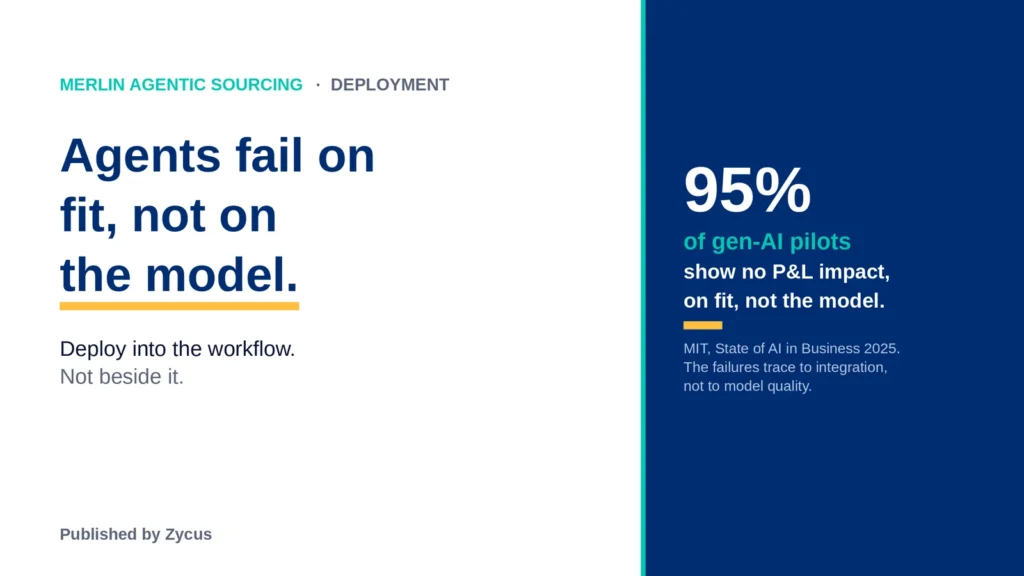
Deploying AI Agents into Existing Procurement Workflows

Deploying AI Agents in Procurement Workflows: What Actually Determines Success

Bringing AI agents in procurement workflow environments isn’t just about plugging a new tool into your ERP—it’s about changing how work actually gets done across your team. Many organizations jump into deployment expecting immediate savings, only to get bogged down by messy supplier data, rigid legacy software, or team hesitation. True success with agentic AI

Deploying AI Agents in Procurement Workflows: What Actually Determines Success Read More »

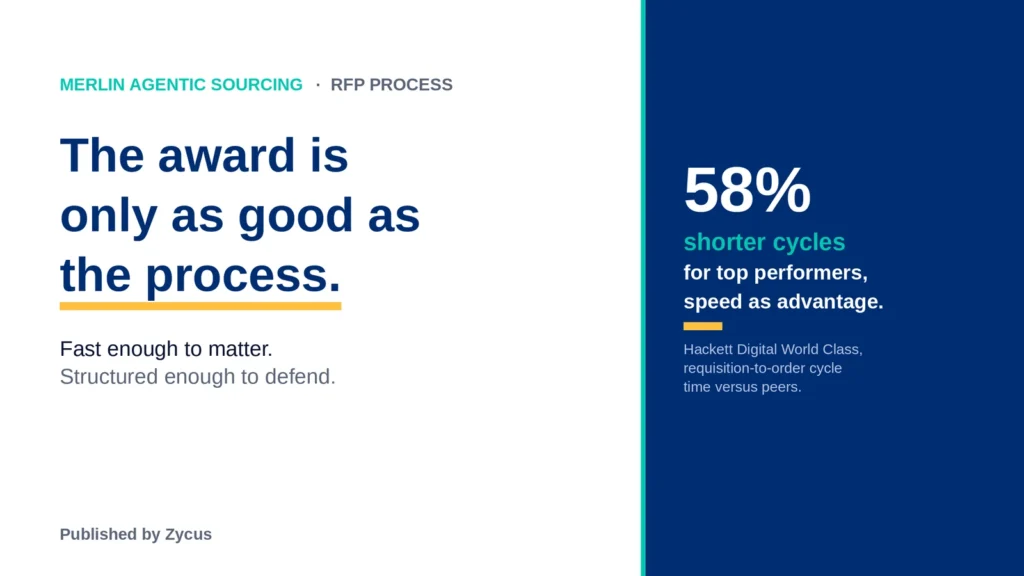
How to Structure the RFP Distribution and Review Process

How to Structure the RFP Distribution and Review Process

Running complex sourcing events without a clear playbook usually means dealing with missed deadlines, scattered vendor emails, and subjective proposal scoring. Establishing a clean RFP Distribution and Review process brings much-needed order to how you reach out to suppliers and weigh their proposals. By standardizing your RFP distribution workflow and applying proven RFP review best

How to Structure the RFP Distribution and Review Process Read More »

Standardized RFP Templates for Behavioral Health Procurement

Standardized RFP Templates for Behavioral Health Procurement: A Practical Guide

Sourcing behavioral health services, specialized software, and clinical care partners requires balancing stringent regulatory mandates, patient privacy standards, and complex operational needs. Relying on ad-hoc questionnaires or generic sourcing tools introduces friction, delays care delivery, and heightens risk exposure. Implementing standardized rfp templates tailored to behavioral health allows procurement teams to establish consistent evaluation criteria,

Standardized RFP Templates for Behavioral Health Procurement: A Practical Guide Read More »