Zycus PLAN · Global Virtual Event · 3 Procurement World Premieres · November 18, 2026 Register Now

How accurate and private is AI in healthcare sourcing?

When evaluating automation and generative tools for clinical procurement, health system leaders face two fundamental questions: what happens to the data the system sees, and how does it handle errors? Relying on vague vendor assurances is never enough when sourcing decisions involve commercially sensitive intelligence and strict compliance boundaries. Successfully deploying AI in healthcare sourcing […]

How accurate and private is AI in healthcare sourcing? Read More »
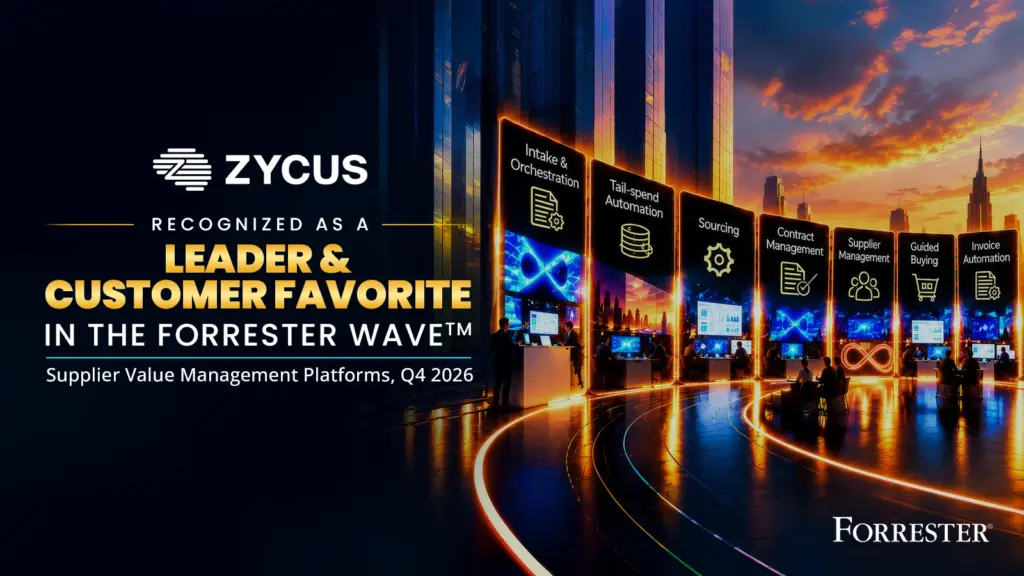
Zycus Named a Leader and Customer Favorite in The Forrester Wave for Supplier Value Management

Zycus Named a Leader and Customer Favorite in The Forrester Wave™ for SVM

Recognized as a Leader and Customer Favorite, Zycus received the highest score possible in 17 evaluation criteria and outstanding customer feedback in The Forrester Wave™: Supplier Value Management Platforms, Q4 2026. What does this mean for CPOs navigating the shift toward Agentic AI and outcome-driven procurement? The Next Big Procurement Decision Isn’t About More Technology.

Zycus Named a Leader and Customer Favorite in The Forrester Wave™ for SVM Read More »

How should buyers specify requirements for an AI-assisted RFP?

While generative tools can draft documents in seconds, an AI cannot decide what your organization actually needs, meaning poorly specified inputs simply yield polished text that cannot be scored. When developing AI-assisted RFP requirements, buyers must retain ownership of three critical inputs—the desired outcome, environmental constraints, and evidence standards before delegating drafting and structuring downstream.

How should buyers specify requirements for an AI-assisted RFP? Read More »

Where do healthcare RFPs actually get stuck?

When healthcare sourcing projects stall for months, teams often blame the RFP document itself, ignoring the reality that RFPs usually get stuck in four distinct operational queues rather than failing on drafting quality. These primary healthcare RFP bottlenecks include requirements that cannot be scored, clinical evaluations delayed by staff availability, security reviews repeated from scratch

Where do healthcare RFPs actually get stuck? Read More »

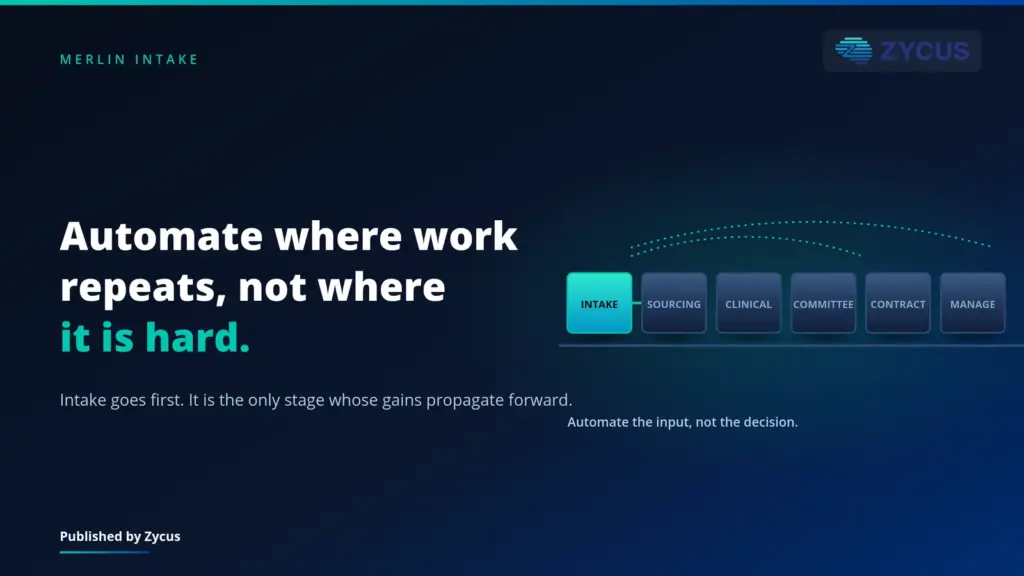
Which parts of the healthcare procurement lifecycle should you automate first?

Which parts of the healthcare procurement lifecycle should you automate first?

When health systems plan digital transformation initiatives, supply chain leaders often make the mistake of targeting the most complex, painful stages first rather than focusing on where work actually repeats. Attempting to automate judgment-heavy steps like clinical evaluations or committee decisions creates heavy political resistance and yields poor returns because these phases rely on human

Which parts of the healthcare procurement lifecycle should you automate first? Read More »

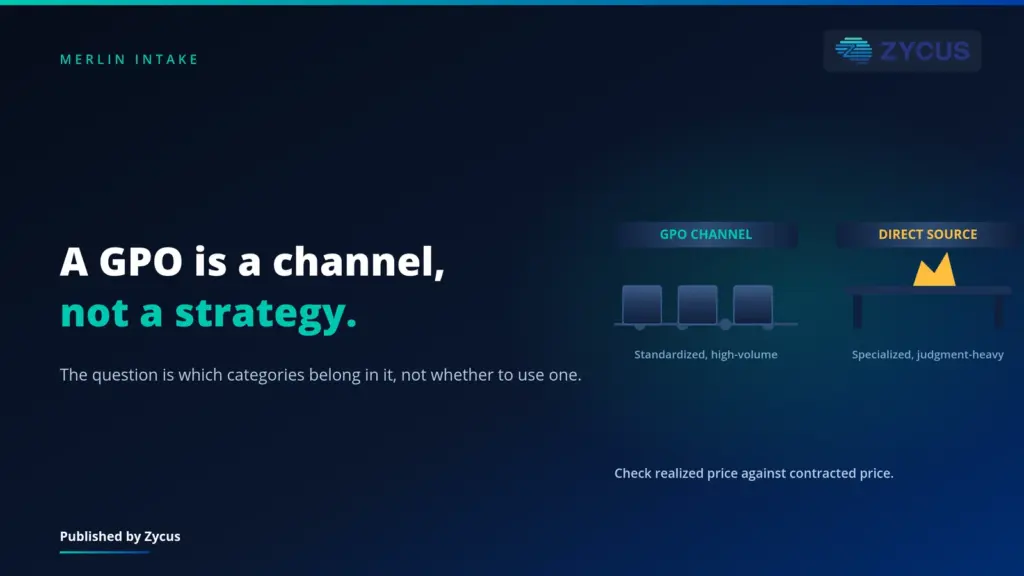
Is a GPO the right channel for this purchase?

Is a GPO the right channel for this purchase?

In healthcare supply chain management, group purchasing organizations (GPOs) are nearly universal, yet the decision of which categories actually belong in a GPO contract versus direct sourcing is frequently made by default rather than analysis. While GPOs deliver powerful economies of scale and administrative efficiencies for commoditized medical supplies, applying them blindly to specialized clinical

Is a GPO the right channel for this purchase? Read More »

How Much Human Oversight Does Autonomous Sourcing Actually Need?

How much human oversight does autonomous sourcing actually need?

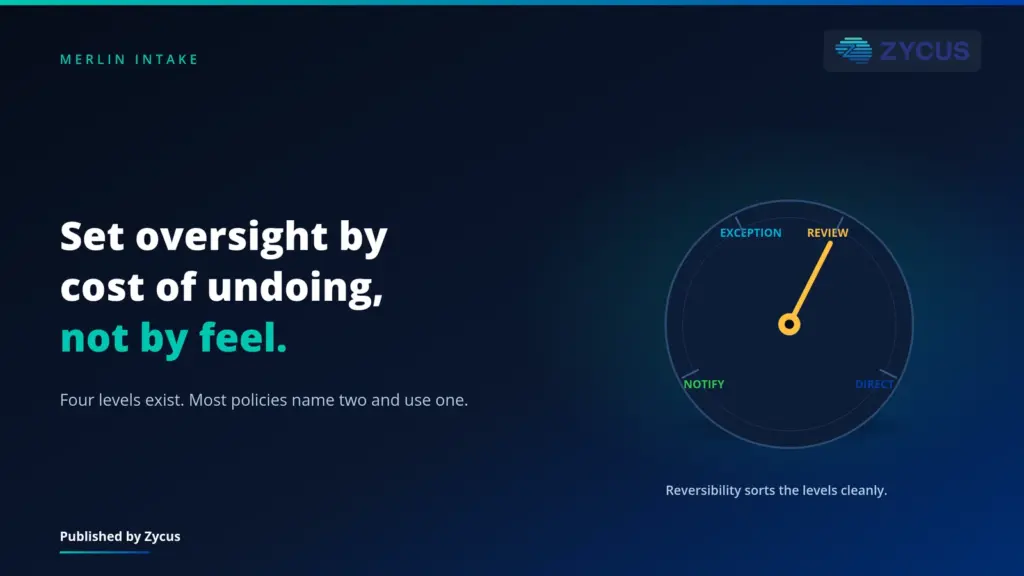
When deploying autonomous or agentic procurement tools, organizations often fall into the trap of applying a single restrictive setting across every workflow, resulting in oversight that is too heavy for routine tasks and too light for complex decisions. Effective autonomous sourcing oversight cannot be treated as a binary switch or a rigid maturity ladder; instead,

How much human oversight does autonomous sourcing actually need? Read More »

How should you evaluate healthcare RFP automation platforms?

How should you evaluate healthcare RFP automation platforms?

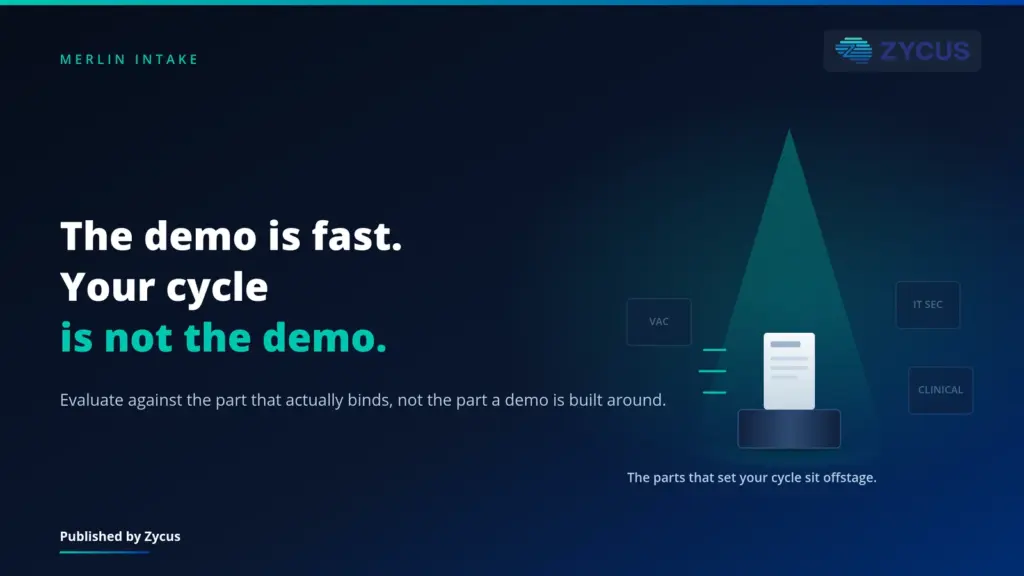
When shopping for enterprise software, sourcing leaders often fall into the trap of evaluating solutions based on how fast they can draft documents, ignoring the reality that drafting speed is rarely the actual bottleneck. General procurement demos are designed around flashy feature lists rather than the specific bottlenecks that slow down hospital purchasing, such as

How should you evaluate healthcare RFP automation platforms? Read More »

How do you align IT, clinical, and finance on a healthcare RFP?

How do you align IT, clinical, and finance on a healthcare RFP?

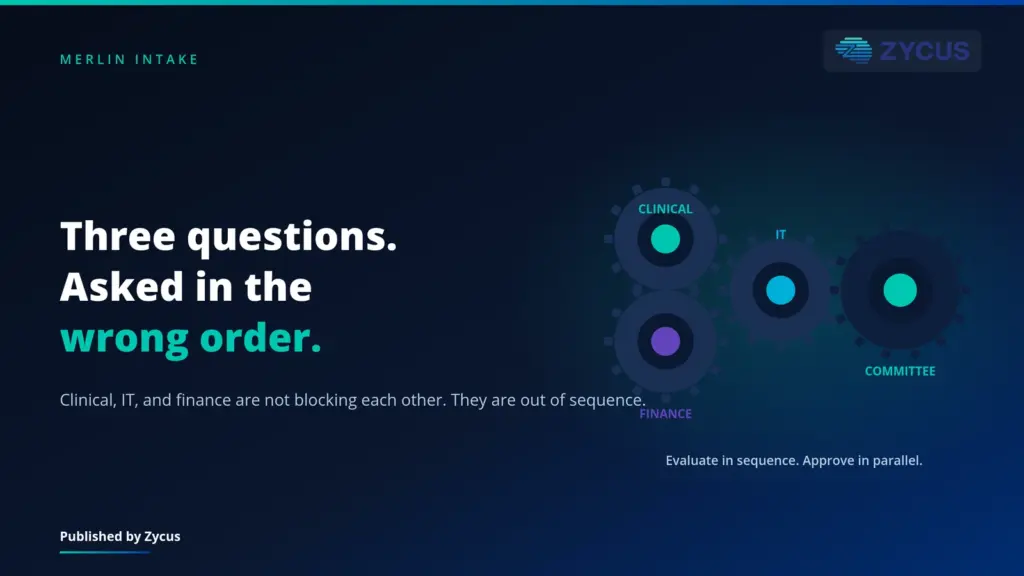
When healthcare RFPs stall for months, teams often assume it is due to interpersonal friction or endless debate, but the root cause is usually unsequenced reviews where IT, clinical, and finance ask competing questions simultaneously. Asking these functions to evaluate options in parallel forces each department to guess the others’ answers and build heavy hedges

How do you align IT, clinical, and finance on a healthcare RFP? Read More »