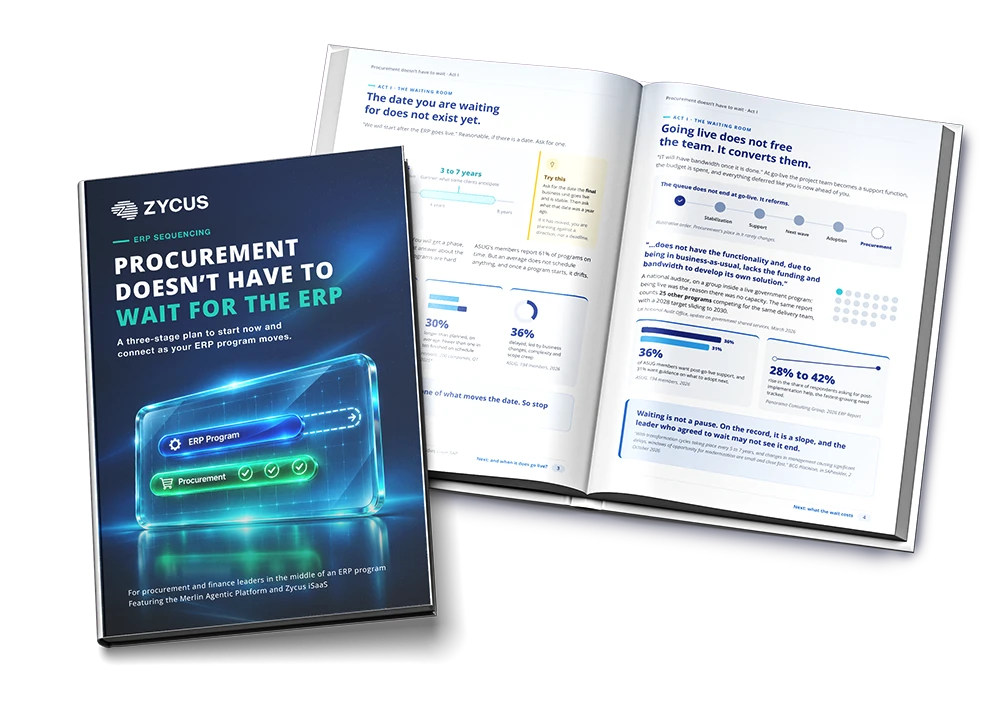

















Procurement Doesn’t Have to Wait for the ERP
document.addEventListener("DOMContentLoaded", function() {
const postTitle = document.getElementById("kh-ptitle");
const lph1 = document.getElementById("kh-l1");
const lph2 = document.getElementById("kh-l2");
const lph1Exists = lph1 && lph1.textContent.trim() !== "";
const lph2Exists = lph2 && lph2.textContent.trim() !== "";
if (!lph1Exists && !lph2Exists) {
// Both LPH1 and LPH2 empty → show Post Title
postTitle.style.display = "block";
if (lph1) lph1.style.display = "none";
if (lph2) lph2.style.display = "none";
} else {
// LPH1 or LPH2 exists → show them, hide Post Title
postTitle.style.display = "none";
if (lph1Exists) lph1.style.display = "block";
if (lph2Exists) lph2.style.display = "block";
}
});
document.addEventListener("DOMContentLoaded", function () {
const imgNew = document.getElementById("image2"); // New ACF
const imgOld = document.getElementById("image1"); // Old ACF + fallback
const imgFallback = document.getElementById("imageFallback"); // Generic fallback (hidden initially)
// Helper to get the actual image src (handles Elementor lazy-load)
function getImgSrc(widget) {
if (!widget) return null;
const img = widget.querySelector("img");
if (!img) return null;
return img.getAttribute("data-src") || img.getAttribute("data-lazy-src") || img.getAttribute("src") || '';
}
// Check if src is valid (not empty or placeholder)
function isValid(src) {
return src && src.trim() !== "" && !src.includes("elementor-placeholder");
}
function applyLogic() {
const srcNew = getImgSrc(imgNew);
const srcOld = getImgSrc(imgOld);
if (isValid(srcNew)) {
// Case 1: New image exists → show new image only
imgNew.style.display = "block";
imgOld.style.display = "none";
imgFallback.style.display = "none";
}
else if (isValid(srcOld)) {
// Case 2: Old image exists → show old image only
imgNew.style.display = "none";
imgOld.style.display = "block";
imgFallback.style.display = "none";
}
else {
// Case 3: Neither exists → show fallback image
imgNew.style.display = "none";
imgOld.style.display = "none";
imgFallback.style.display = "block";
}
}
// Delay to allow Elementor to finish rendering
setTimeout(applyLogic, 800);
// Observe DOM changes (lazy-load / dynamic Elementor content)
const observer = new MutationObserver(applyLogic);
observer.observe(document.body, {
childList: true,
subtree: true,
attributes: true
});
});
Get Your Copy Now
Your ERP program has a timeline. Procurement’s progress shouldn’t depend on it.
Waiting for ERP go-live can mean delaying savings, leaving contract renewals unwatched and carrying outdated supplier data into the new system. And going live doesn’t automatically free up IT capacity to tackle everything put on hold.
This ebook gives procurement and finance leaders a three-stage plan to move forward alongside an ERP program. Discover what procurement can run now, what data it needs, and how to connect as the program progresses, with a clear view of the work and responsibilities at each stage.
What’s Inside the eBook?
- Why waiting for ERP go-live can delay procurement longer than expected
- How to estimate the savings deferred using your own spend data
- Stage 1: Start now. Run intake, sourcing, contracts, supplier onboarding and spend visibility using regular ERP data extracts
- Stage 2: Connect. Automate handoffs and synchronize records through the integration platform your IT team is moving toward
- Stage 3: Move with the ERP. Understand what carries over and what needs data, approval-rule and testing work
- How starting earlier can prepare cleaner supplier data, contracts and categories for migration
- A six-question readiness assessment and four scope questions to get answered before signing
Discover a practical path to procurement progress without waiting for the ERP finish line.
The preferred solution for world-class global enterprise