Supply Chain Collaboration refers to the synergistic alliance formed between different entities, such as suppliers, manufacturers, and retailers, within a supply chain to enhance information sharing, resource utilization, and operational efficiency to meet common objectives and improve overall performance.
Key Benefits
– Enhanced Data Visibility: Supply chain collaboration improves access to information across different stakeholders, enabling better tracking and data sharing for informed decision-making and transparency throughout the supply chain.
– Increased Efficiency: By aligning processes and reducing redundancies, collaboration leads to smoother operations, minimizing delays and errors, and enhancing overall efficiency in the supply chain.
– Risk Mitigation: Collaborative efforts in the supply chain can better anticipate and mitigate risks, such as supply disruptions or quality issues, by enabling proactive management through shared resources and knowledge.
– Cost Savings: Through joint efforts, companies can identify cost-saving opportunities by optimizing logistics, consolidating shipments, and using shared resources, leading to reduced operational costs.
– Innovation and Competitive Advantage: Collaboration stimulates innovation by combining expertise and resources from different organizations, offering the potential to create unique solutions that enhance competitive advantage in the market.
Related Terms
– Enhanced Data Visibility: Supply chain collaboration improves access to information across different stakeholders, enabling better tracking and data sharing for informed decision-making and transparency throughout the supply chain.
– Increased Efficiency: By aligning processes and reducing redundancies, collaboration leads to smoother operations, minimizing delays and errors, and enhancing overall efficiency in the supply chain.
– Risk Mitigation: Collaborative efforts in the supply chain can better anticipate and mitigate risks, such as supply disruptions or quality issues, by enabling proactive management through shared resources and knowledge.
– Cost Savings: Through joint efforts, companies can identify cost-saving opportunities by optimizing logistics, consolidating shipments, and using shared resources, leading to reduced operational costs.
– Innovation and Competitive Advantage: Collaboration stimulates innovation by combining expertise and resources from different organizations, offering the potential to create unique solutions that enhance competitive advantage in the market.
References
For further insights into these processes, explore Zycus’ dedicated resources related to Supply Chain Collaboration:
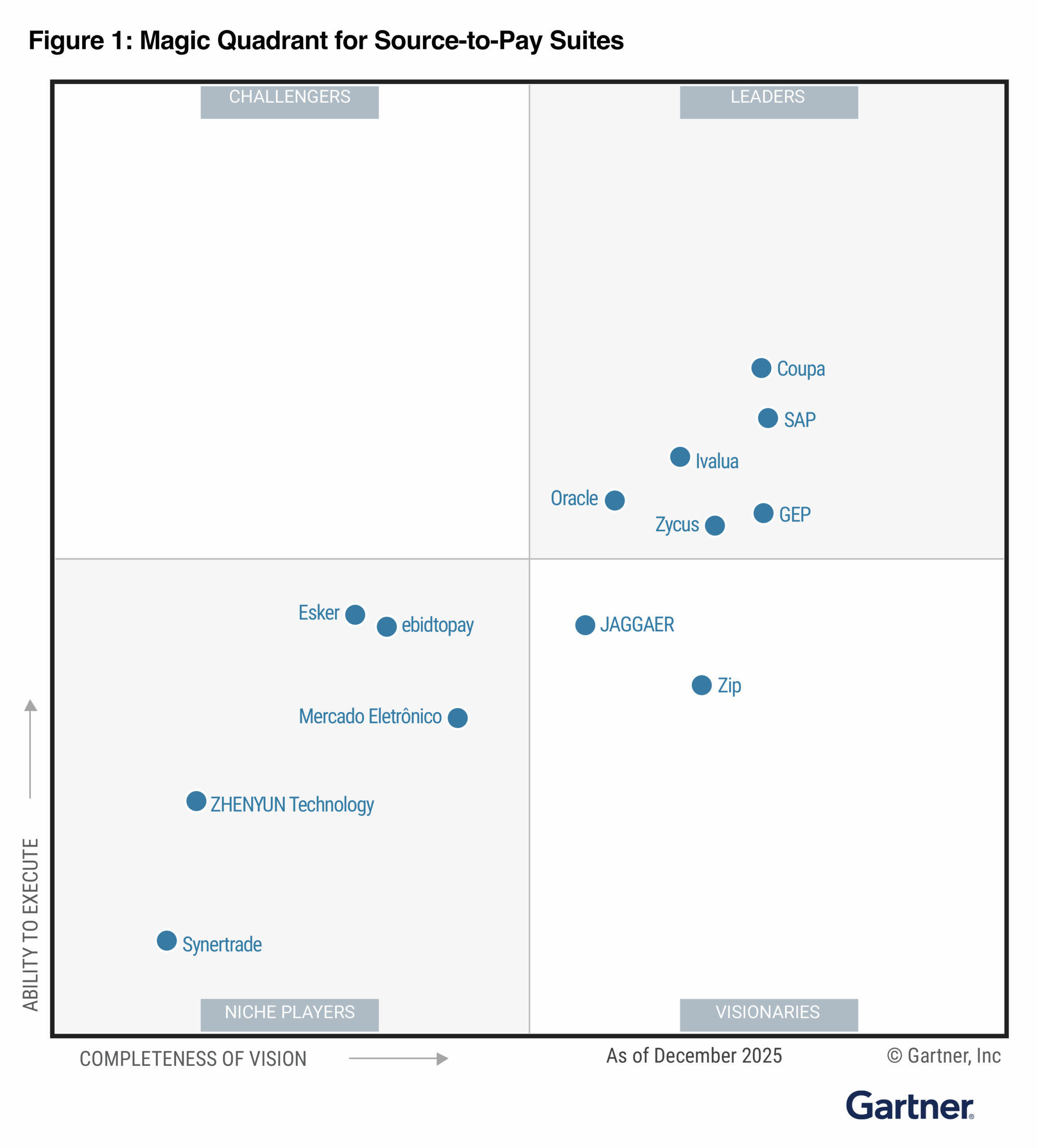
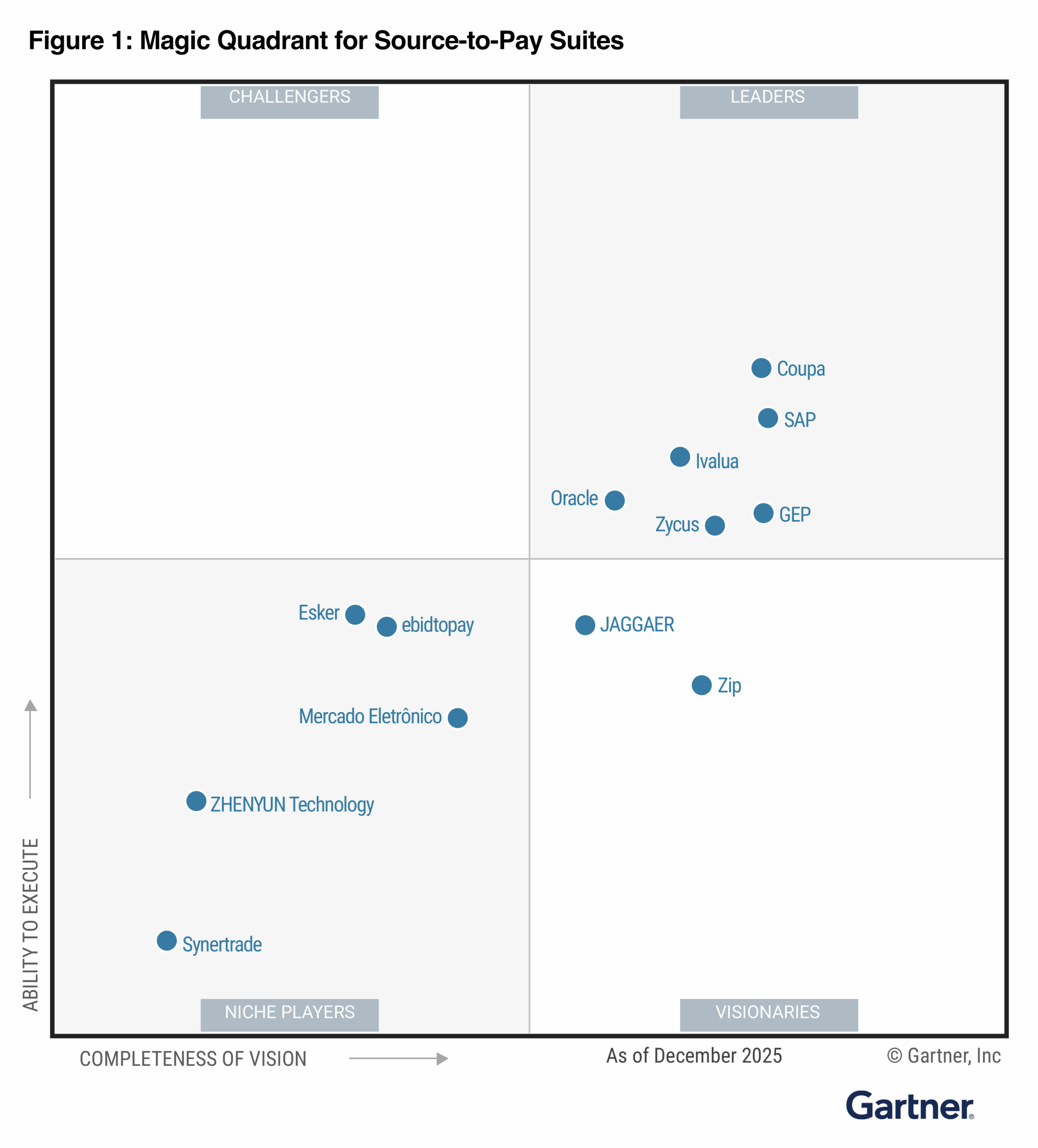
- [ Upcoming Webinar] Applied Magic: Interpreting the Magic Quadrant to the Science of Procurement Technology Strategy
- Real-World Examples of Procure to Pay Transformation with Generative AI
- Pulse of Procurement 2016 Europe Edition
- Zycus Cognitive Procurement for Government : Transforming Public Sector Efficiency

Filter by
IBAN Validation
WHAT IS IBAN VALIDATION? IBAN validation is the check that an International Bank Account Number (IBAN) has a valid country
OTIF (On-Time In-Full) as a Supplier KPI
WHAT IS OTIF AS A SUPPLIER KPI? OTIF (on-time in-full) is a supplier performance measure showing the percentage of deliveries
Politically Exposed Person (PEP) Screening
WHAT IS POLITICALLY EXPOSED PERSON (PEP) SCREENING? Politically exposed person (PEP) screening is the check of a supplier’s owners, directors
Confirmation of Payee (UK)
WHAT IS CONFIRMATION OF PAYEE? Confirmation of Payee (CoP) is a UK name-checking service that compares the payee name a
XRechnung / ZUGFeRD (Germany)
WHAT ARE XRECHNUNG AND ZUGFERD? XRechnung and ZUGFeRD are the two best-known German e-invoice formats. XRechnung is a purely structured
KSeF (Poland e-Invoicing)
WHAT IS KSEF (POLAND E-INVOICING)? KSeF (Krajowy System e-Faktur) is Poland’s national e-invoicing system, run by the Ministry of Finance,