



Insurance procurement is the process of sourcing, evaluating, and purchasing insurance policies to protect an organization against various risks. Corporate insurance purchasing covers multiple policy types including property, liability, workers’ compensation, directors and officers, cyber, and business interruption insurance. As a specialized category of indirect spend, insurance procurement requires collaboration between procurement, risk management, legal, and finance to secure appropriate coverage at competitive premiums.
Explore Zycus’ Insurance Procurement Solution
Why Insurance Procurement Matters in Procurement
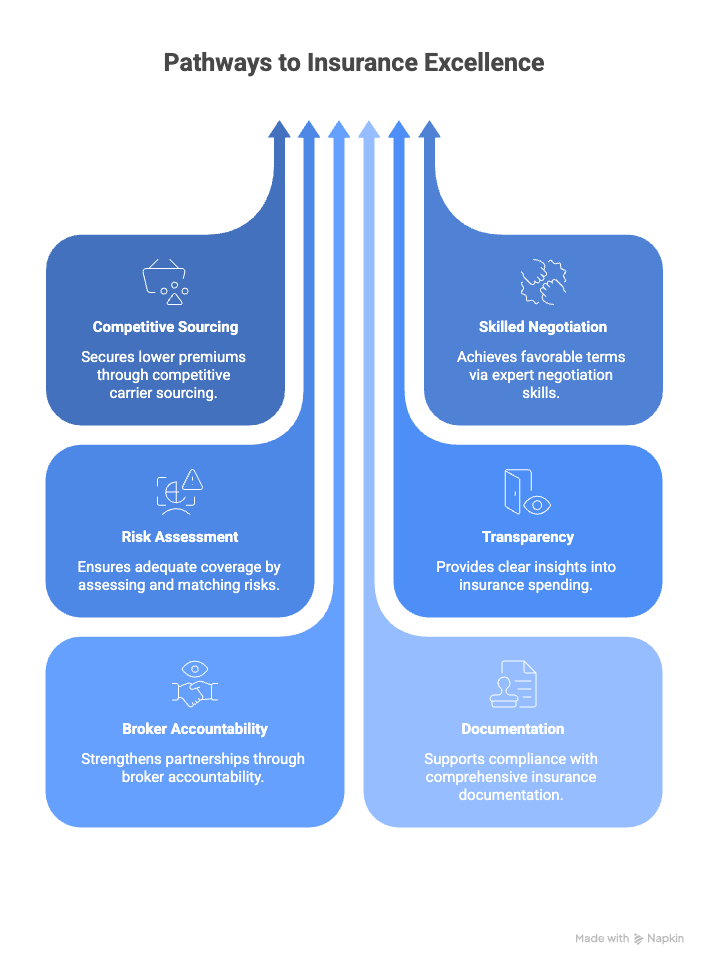
Insurance represents significant annual expenditure for most organizations, yet it is often managed outside procurement’s oversight. Bringing corporate insurance purchasing under procurement governance introduces competitive sourcing discipline, negotiation leverage, and cost transparency. Without structured procurement involvement, insurance renewals become routine transactions with incumbent providers, missing opportunities for coverage optimization and premium reduction. For procurement leaders, insurance is a high-value indirect category that benefits from strategic sourcing approaches.
The Core Process of Insurance Procurement
The process begins with risk assessment. Procurement works with risk management to understand the organization’s exposure profile — what assets need protection, what liabilities exist, and what coverage levels are appropriate given the business context.
Coverage requirements are then defined. This includes policy types needed, coverage limits, deductibles, exclusions, and any special endorsements required for the organization’s industry or operations.
The market is engaged through a structured sourcing process. Requests for proposals are issued to insurers and brokers, specifying coverage requirements and requesting detailed quotes. Proposals are evaluated on premium cost, coverage terms, insurer financial strength, and claims service reputation.
Once a provider is selected, policies are negotiated and bound. Procurement ensures contract terms align with organizational requirements. Throughout the policy period, claims are managed, and coverage is reviewed periodically to adjust for changing risk profiles.
Core Components of Insurance Procurement
- Risk Assessment: Systematic identification and evaluation of organizational risks that require insurance coverage, conducted in partnership with risk management.
- Coverage Specification: Detailed definition of policy types, limits, deductibles, and terms required to adequately protect the organization.
- Broker Management: Working with insurance brokers who provide market access, expertise, and placement services, while ensuring broker fees are transparent and competitive.
- Policy Negotiation: Negotiating premium rates, coverage terms, and conditions with insurers to optimize cost and protection.
- Claims Coordination: Managing the claims process when incidents occur to ensure timely and fair settlement.
Common Pitfalls of Insurance Procurement
Auto-renewing without a market check: Incumbent insurers benefit from inertia. Test the market periodically to ensure competitive pricing.
Focusing only on premium: The cheapest policy may have coverage gaps. Evaluate total value including limits, exclusions, and claims service.
Ignoring broker conflicts: Brokers earn commissions from insurers. Understand their incentives and consider fee-based arrangements for transparency.
Siloed decision-making: Insurance decisions made by risk management alone miss procurement’s sourcing expertise. Collaborate across functions.
Key Insurance Categories for Corporate Procurement
Property insurance: Covers physical assets including buildings, equipment, and inventory against damage or loss.
General liability: Protects against third-party claims for bodily injury or property damage caused by business operations.
Professional liability: Also called errors and omissions, covers claims arising from professional services or advice.
Directors and officers: Protects executives against personal liability for decisions made in their corporate roles.
Cyber insurance: Covers losses from data breaches, ransomware, and other cybersecurity incidents.
Workers’ compensation: Required coverage for employee injuries and illnesses occurring in the workplace.
Download Case Study: US Insurance Leader Centralizes 20,000+ Contracts Through Zycus S2P
KPIs of Insurance Procurement
| Dimension | Sample KPIs |
| Cost | Total premium spend, premium reduction from sourcing, cost per million of coverage |
| Coverage | Coverage adequacy score, uninsured risk exposure, policy gap analysis results |
| Process | Renewal cycle time, broker response time, claims processing duration |
| Claims | Claims frequency, loss ratio, claims settlement satisfaction |
Key Terms in Insurance Procurement
- Premium: The amount paid to an insurer for coverage, typically on an annual basis.
- Deductible: The amount the insured pays out of pocket before insurance coverage begins.
- Policy Limit: The maximum amount an insurer will pay under a policy for covered losses.
- Endorsement: An amendment to a standard policy that modifies coverage terms or conditions.
- Broker: An intermediary who helps organizations find and place insurance coverage with carriers.
- Carrier: The insurance company that underwrites and issues the policy.
Technology Enablement
While insurance procurement is often managed through specialized brokers and risk management systems, modern Source-to-Pay platforms can support the sourcing process through RFP management and contract storage. Integration between procurement and risk management systems improves visibility into this important indirect spend category.
FAQs
Q1. What is insurance procurement?
The process of sourcing, evaluating, and purchasing insurance policies to protect an organization against risks.
Q2. Should procurement be involved in insurance buying?
Yes. Procurement brings competitive sourcing discipline and negotiation expertise to a significant spend category.
Q3. What is the role of an insurance broker?
Brokers provide market access, coverage expertise, and placement services. They are compensated through commissions or fees.
Q4. How often should insurance be competitively sourced?
At minimum every 3–5 years, or when significant business changes affect risk profiles.
Q5. What is the difference between a broker and a carrier?
A broker is an intermediary who helps find coverage. A carrier is the insurance company that issues and backs the policy.
Q6. How can procurement reduce insurance costs?
Through competitive sourcing, broker accountability, risk mitigation programs, and negotiating policy terms.
References
For further insights into these processes, explore Zycus’ dedicated resources related to Insurance Procurement:
- Why Adopt a Post Modern ERP Strategy for Finance?
- Download Insurance Procurement Brochure
- Vendor Management 101: Best Practices and Key Considerations
- Cornerstones of an agile supply chain – Imperative no. IV
- Revolutionizing Procurement With Artificial Intelligence
- Explore the Zycus Merlin AI Contract Discovery Bot










