


I couldn’t find the specific definition for “Late Tender” in the provided files. However, generally speaking, a “Late Tender” refers to a bid or proposal submitted after the deadline set by the purchasing organization. This often leads to the bid being disqualified unless exceptions are granted under specific circumstances.
Key Benefits
– Accelerated Sourcing and Procurement Cycles: By automating key procurement processes, Late Tender significantly reduces the cycle time for sourcing and procurement, allowing organizations to swiftly adapt to market demands.
– Enhanced Policy Compliance: Automation through Late Tender ensures all procurement activities are compliant with both organizational policies and regulatory requirements, reducing risks of non-compliance and associated penalties.
– Digital Procurement Adoption: Encourages the adoption of digital procurement practices, minimizing reliance on manual processes and increasing efficiency. This shift assures scalability and resilience in procurement operations.
– Substantial Cost Savings and Operational Efficiencies: Through optimized negotiations and supplier management, Late Tender drives significant savings and improves operational efficiency by automating routine tasks and ensuring organizational policies are adhered to.
– Elevated Strategic Procurement Value: Transforms procurement into a strategic function by leveraging AI and advanced negotiation tactics to maximize savings, enhance compliance, and streamline operations across various procurement stages.
Related Terms
– Accelerated Sourcing and Procurement Cycles: By automating key procurement processes, Late Tender significantly reduces the cycle time for sourcing and procurement, allowing organizations to swiftly adapt to market demands.
– Enhanced Policy Compliance: Automation through Late Tender ensures all procurement activities are compliant with both organizational policies and regulatory requirements, reducing risks of non-compliance and associated penalties.
– Digital Procurement Adoption: Encourages the adoption of digital procurement practices, minimizing reliance on manual processes and increasing efficiency. This shift assures scalability and resilience in procurement operations.
– Substantial Cost Savings and Operational Efficiencies: Through optimized negotiations and supplier management, Late Tender drives significant savings and improves operational efficiency by automating routine tasks and ensuring organizational policies are adhered to.
– Elevated Strategic Procurement Value: Transforms procurement into a strategic function by leveraging AI and advanced negotiation tactics to maximize savings, enhance compliance, and streamline operations across various procurement stages.
References
For further insights into these processes, explore Zycus’ dedicated resources related to Late Tender:
- Addressing Procurement Policy Compliance, Workflow Efficiency, and Strategic Value Creation with GenAI
- Enhancing Contract Management with Automated Clause Addition
- The Year of Fire Rooster in Procurement
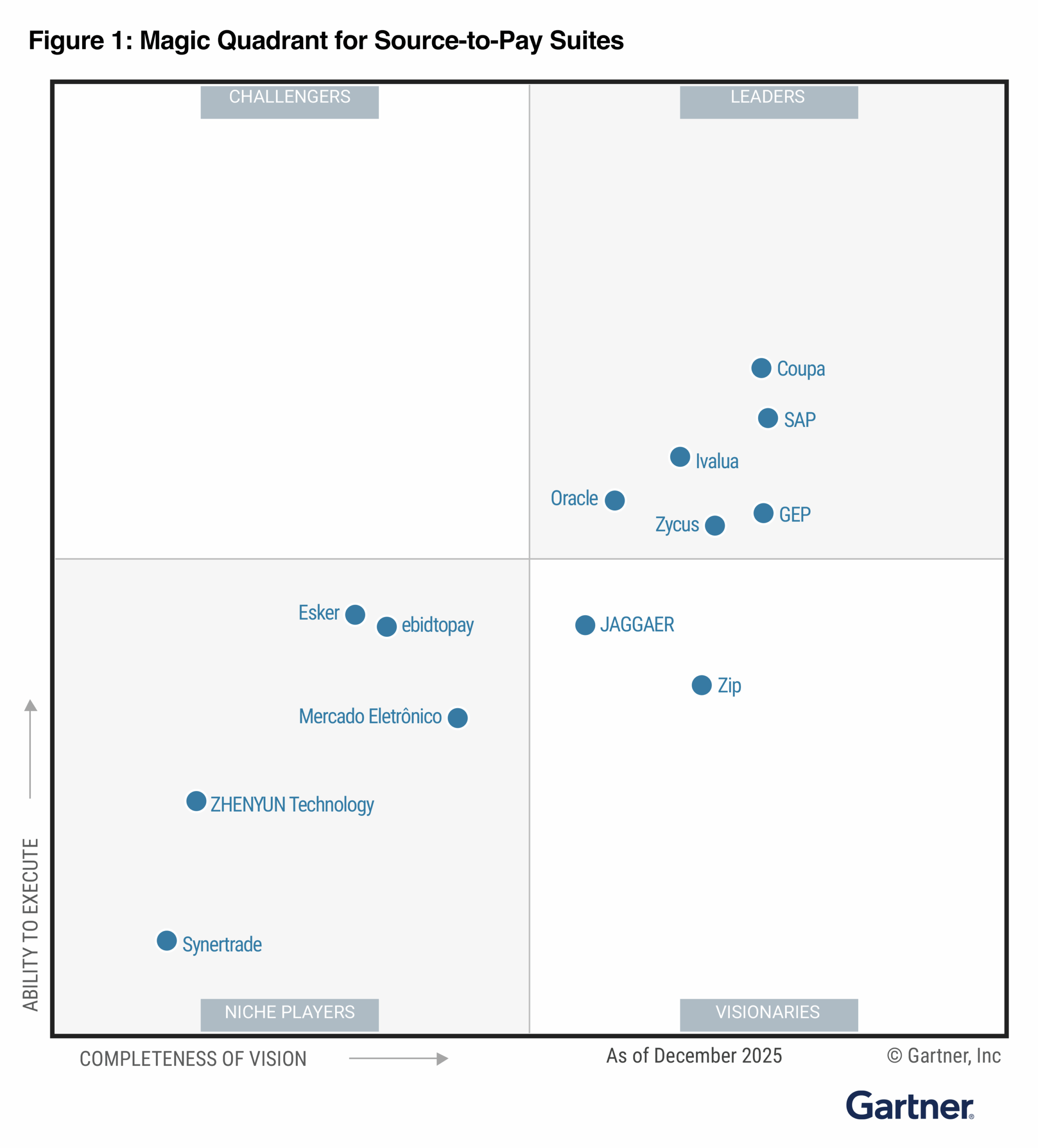
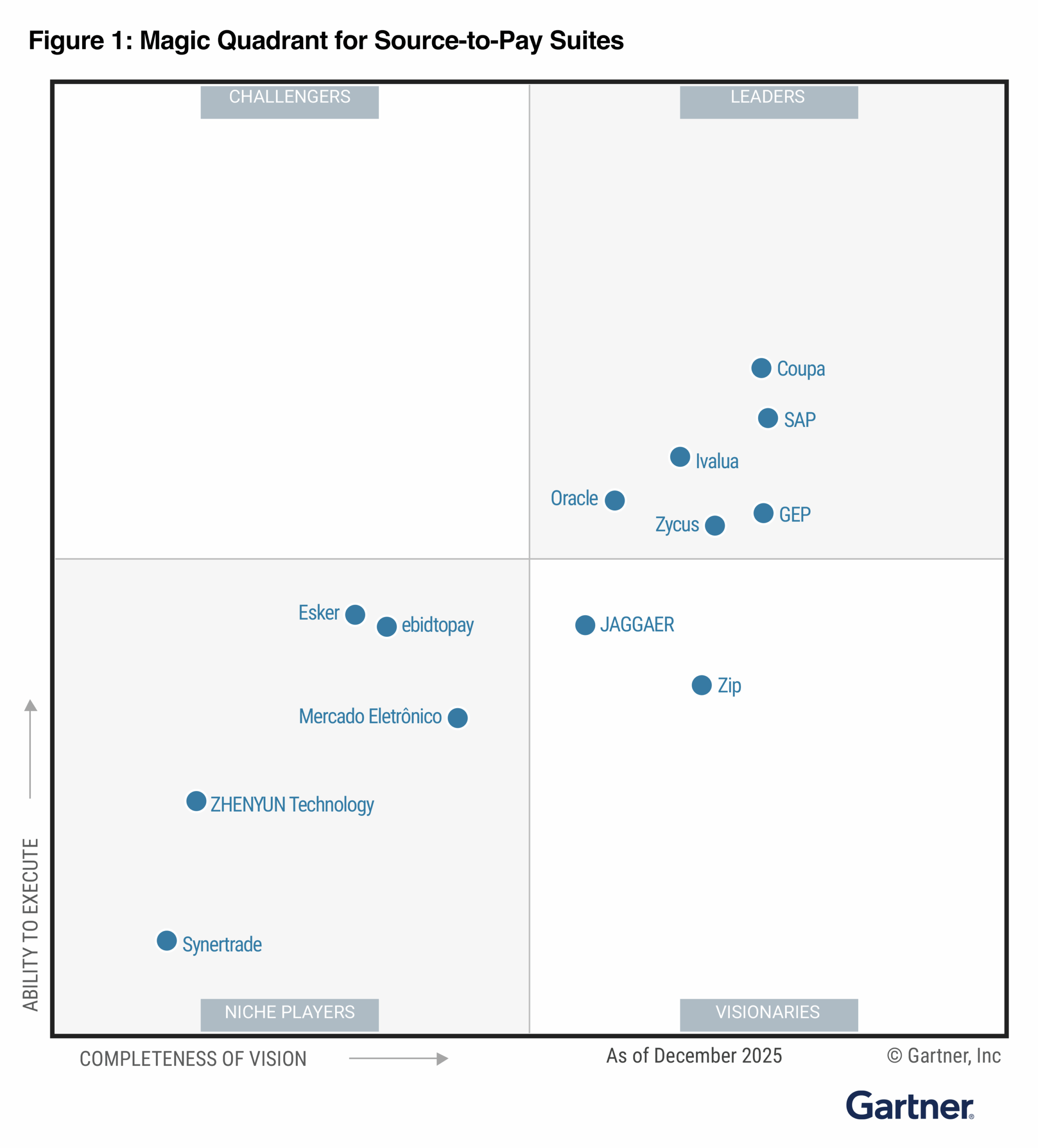
- The Leader’s Perspective: Insights from Gartner Magic Quadrant for Strategic Sourcing Suites 2018
- Paying Off P2P: Closing the Purchase Through Payment Loop

Filter by
Merlin Agentic Sourcing
Merlin Agentic Sourcing (MAS) is Zycus’s enterprise AI product that autonomously executes strategic sourcing workflows, from spend analysis and supplier
Agent Debt
Agent debt is the compounding operational liability an enterprise takes on when it deploys task-doing AI agents faster than it
Agentic Sourcing
Agentic sourcing is a procurement approach in which AI agents autonomously execute multi-step sourcing tasks — from intake analysis and
Agentic AI in Procurement
Agentic AI in procurement refers to AI systems capable of taking autonomous, multi-step actions to complete procurement tasks with minimal
Intake-to-Outcomes (I2O)
Intake-to-Outcomes (I2O) is a procurement operating model that spans the entire journey from business need to realized value beginning when
Accounts Payable Automation Software
Accounts payable automation software digitizes the invoice-to-payment lifecycle. It replaces manual, paper-based AP tasks with automated workflows for invoice capture,