


Quality Control is a systematic process by which businesses ensure that products or services meet consistent standards and fulfill customer expectations. It involves the use of processes and procedures to prevent defects, maintain quality levels, and improve performance. This typically includes inspections, testing, and monitoring at various stages of production to identify and rectify problems before they affect the final product.
Key Benefits
– Enhanced Efficiency: Quality Control (QC) streamlines operations by identifying inefficiencies and eliminating bottlenecks within the production process. This leads to faster cycle times and more consistent output, enhancing overall operational efficiency.
– Improved Product Quality: QC ensures that products meet established standards and specifications, reducing the incidence of defects and recalls. This not only improves product quality but also enhances customer satisfaction and trust in the brand.
– Cost Reduction: By detecting and addressing errors early in the production process, QC minimizes waste and reduces the costs associated with returns and repairs. This proactive approach to managing quality issues leads to significant cost savings.
– Regulatory Compliance: QC helps organizations adhere to industry regulations and standards, reducing the risk of legal issues and fines. Compliance with quality standards also enhances the company’s reputation and market competitiveness.
– Data-Driven Decision Making: QC provides valuable insights and data that can inform strategic decisions. By systematically analyzing quality data, organizations can identify trends, anticipate problems, and make informed decisions to drive continuous improvement.
Related Terms
– Enhanced Efficiency: Quality Control (QC) streamlines operations by identifying inefficiencies and eliminating bottlenecks within the production process. This leads to faster cycle times and more consistent output, enhancing overall operational efficiency.
– Improved Product Quality: QC ensures that products meet established standards and specifications, reducing the incidence of defects and recalls. This not only improves product quality but also enhances customer satisfaction and trust in the brand.
– Cost Reduction: By detecting and addressing errors early in the production process, QC minimizes waste and reduces the costs associated with returns and repairs. This proactive approach to managing quality issues leads to significant cost savings.
– Regulatory Compliance: QC helps organizations adhere to industry regulations and standards, reducing the risk of legal issues and fines. Compliance with quality standards also enhances the company’s reputation and market competitiveness.
– Data-Driven Decision Making: QC provides valuable insights and data that can inform strategic decisions. By systematically analyzing quality data, organizations can identify trends, anticipate problems, and make informed decisions to drive continuous improvement.
References
For further insights into these processes, explore Zycus’ dedicated resources related to Quality Control:
- Harnessing the Power of Multi-Agent Generative AI in Procurement Software: The Future of Intake Management Solutions
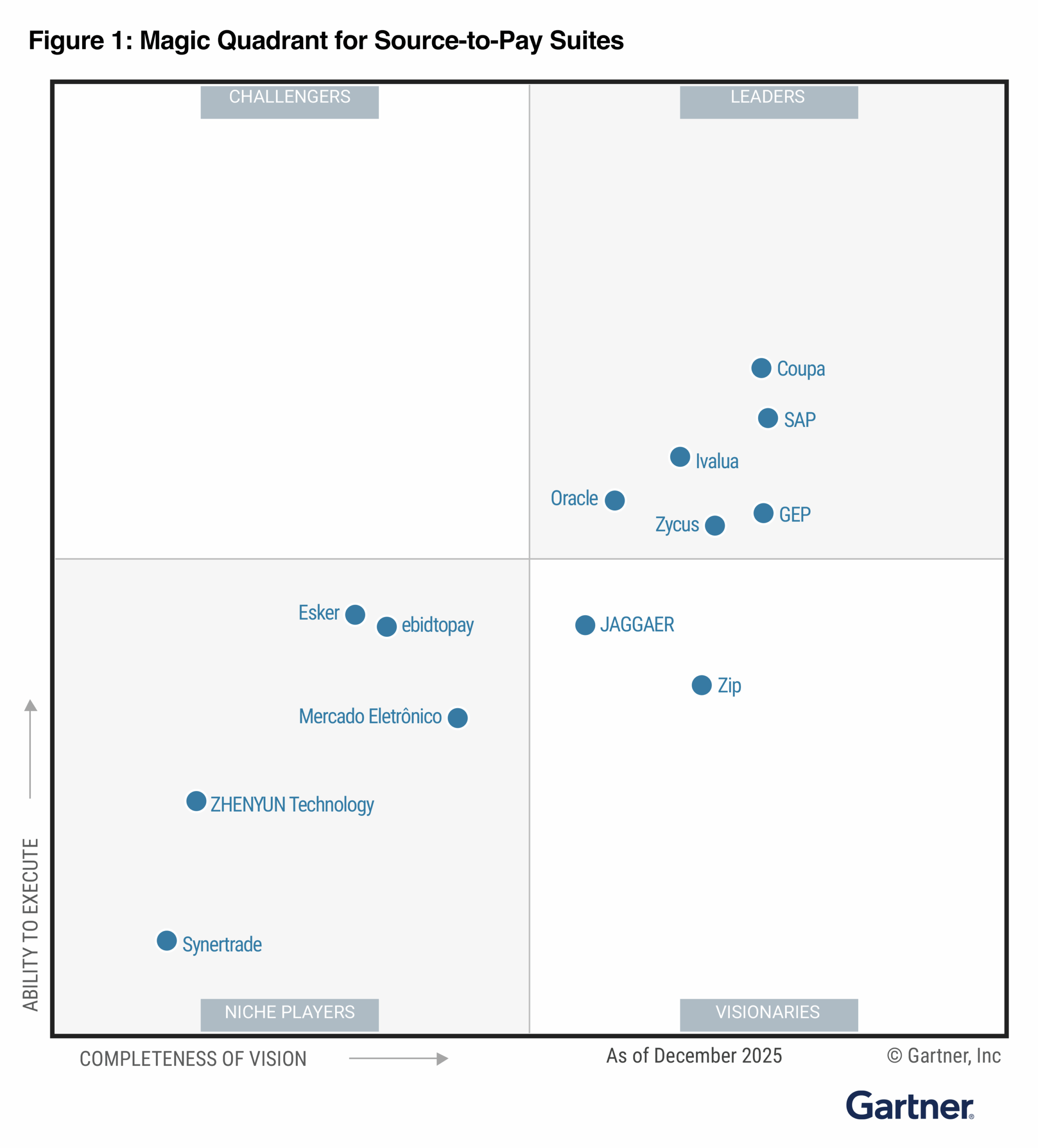
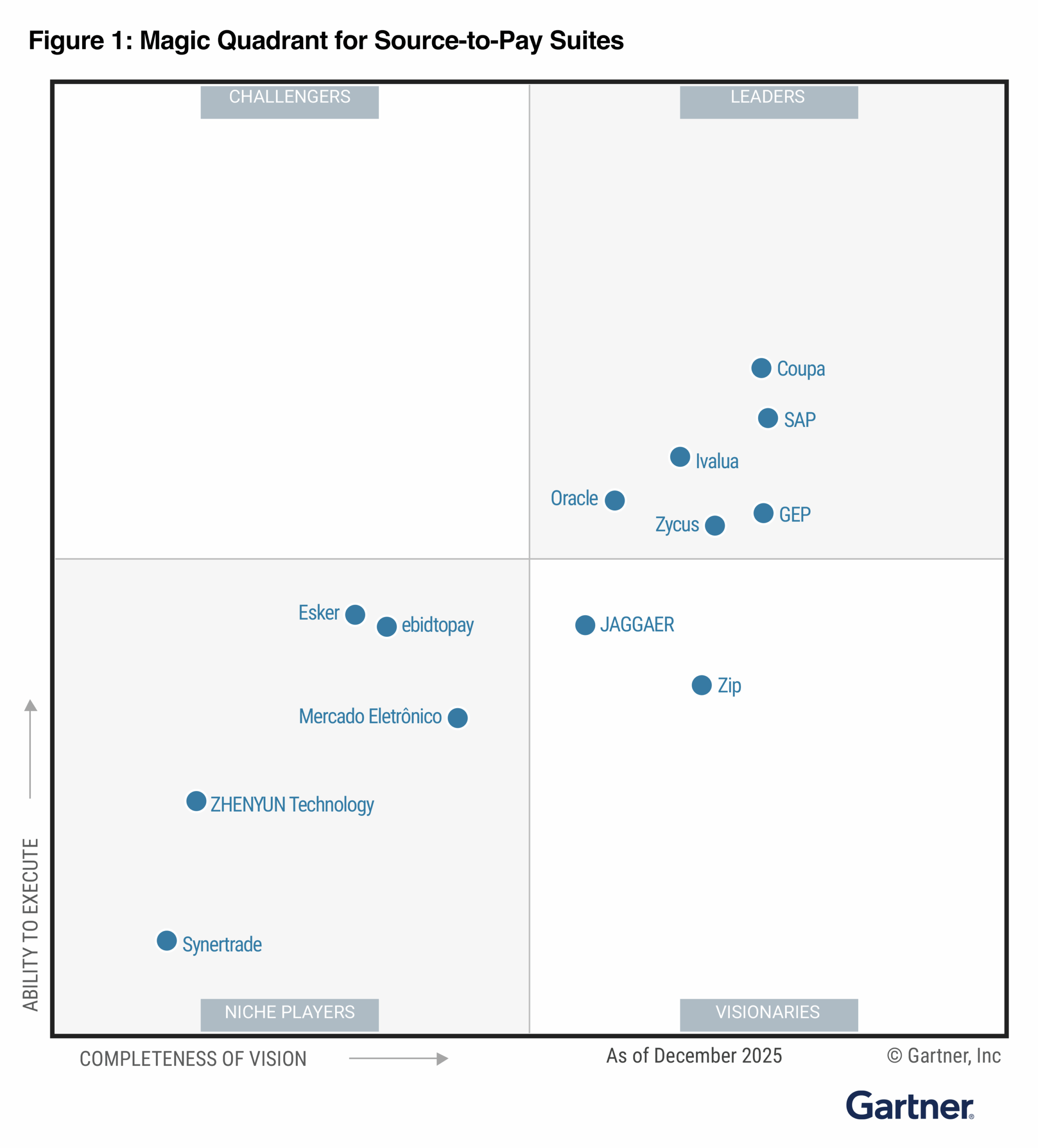
- Zycus positioned in the “Leaders†Quadrant of the Gartner Magic Quadrant for Strategic Sourcing Application Suites
- Mastering Indirect Spend – Six keys to success | Zycus
- Smart Spend Analysis: A bird’s eye view
- Future-Proofing Procurement: Navigating Through Disruption

Filter by
Merlin Agentic Sourcing
Merlin Agentic Sourcing (MAS) is Zycus’s enterprise AI product that autonomously executes strategic sourcing workflows, from spend analysis and supplier
Agent Debt
Agent debt is the compounding operational liability an enterprise takes on when it deploys task-doing AI agents faster than it
Agentic Sourcing
Agentic sourcing is a procurement approach in which AI agents autonomously execute multi-step sourcing tasks — from intake analysis and
Agentic AI in Procurement
Agentic AI in procurement refers to AI systems capable of taking autonomous, multi-step actions to complete procurement tasks with minimal
Intake-to-Outcomes (I2O)
Intake-to-Outcomes (I2O) is a procurement operating model that spans the entire journey from business need to realized value beginning when
Accounts Payable Automation Software
Accounts payable automation software digitizes the invoice-to-payment lifecycle. It replaces manual, paper-based AP tasks with automated workflows for invoice capture,