



The procurement process is the structured sequence of procurement steps an organization follows to identify, source, acquire, and manage goods and services from external suppliers. It spans the full purchasing process from need identification through payment and supplier performance review, forming the operational backbone of any Source-to-Pay function.
Read more: What is Procurement? A Quick Guide to Strategies, Software & AI Solutions
Why the Procurement Process Matters in Procurement
A well-defined procurement lifecycle ensures that every purchase is justified, competitively sourced, properly approved, and compliant with organizational policies. Without structured procurement steps, organizations face maverick spending, poor supplier selection, contract leakage, and limited visibility into total expenditure. For procurement leaders, a repeatable and transparent purchasing process directly drives cost control, risk mitigation, supply continuity, and stakeholder confidence.
What is Core Procurement Process
The procurement lifecycle begins with need identification. A business unit or end user recognizes a requirement for goods or services and raises a purchase requisition. This requisition captures what is needed, the estimated quantity, the required delivery timeline, and the budget allocation.
Once the requisition is approved, the sourcing cycle begins. Procurement evaluates potential suppliers through market research, RFx processes (RFI, RFP, or RFQ), and competitive bidding. Suppliers are assessed on price, quality, capacity, risk profile, and alignment with organizational standards.
After supplier selection, terms are negotiated and formalized in a purchase order or contract. The purchase order confirms the agreed items, pricing, delivery schedule, and payment terms, creating a binding commitment between buyer and supplier.
The supplier then fulfills the order. Upon delivery, the receiving team inspects and confirms that the goods or services match the purchase order specifications. This goods receipt triggers the requisition-to-pay validation, where the invoice is matched against the purchase order and receipt before payment is authorized.
Payment is executed according to the agreed terms, closing the transactional cycle. Post-payment, procurement teams review supplier performance, track contract compliance, and feed lessons back into future sourcing decisions.
Core Components in the Procurement Process
Requisition Management. Captures and routes purchase requests through approval workflows, ensuring every spend commitment is authorized before it enters the sourcing cycle.
Strategic Sourcing. Covers supplier identification, RFx management, bid evaluation, and award decisions. This is where procurement drives competitive pricing and supplier quality.
Purchase Order Management. Formalizes buyer-supplier commitments with documented terms, quantities, and pricing. Serves as the reference point for receipt and invoice matching.
Receiving and Inspection. Validates that delivered goods or services conform to purchase order specifications before triggering downstream payment processes.
Invoice Matching and Payment. Completes the requisition-to-pay cycle by verifying invoices against purchase orders and receipts, then executing payment within agreed terms.
Supplier Performance Management. Tracks delivery accuracy, quality, responsiveness, and compliance over time, informing future sourcing decisions and relationship strategies.
Key Benefits of the Procurement Process
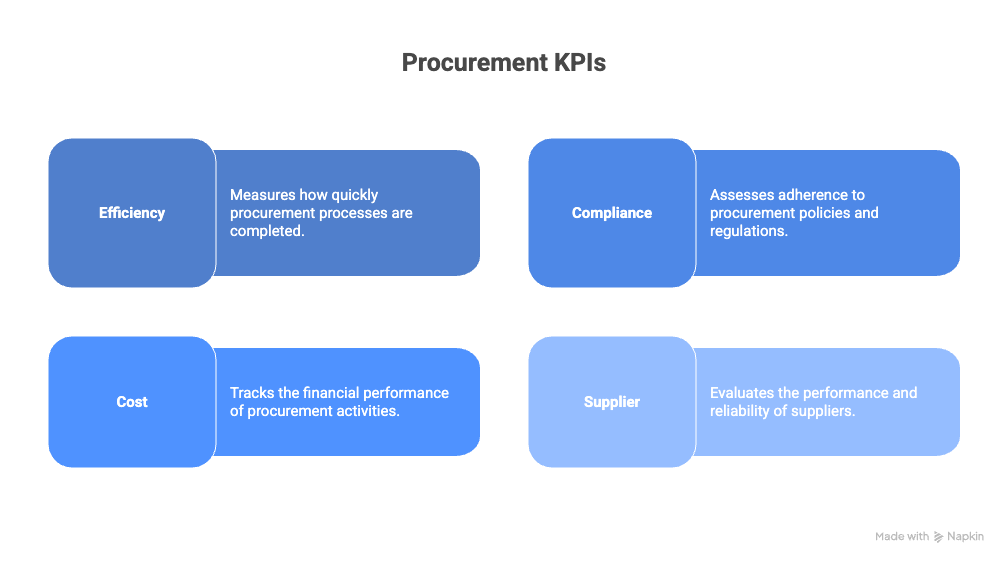
Reduces maverick spending by channeling all purchases through a controlled, policy-compliant purchasing process.
Improves cost outcomes through competitive sourcing and structured negotiation within the sourcing cycle.
Creates end-to-end traceability from requisition through payment, supporting audit and compliance requirements.
Strengthens supplier relationships by setting clear expectations and measuring performance against agreed terms.
Provides visibility into total organizational spend, enabling better budgeting and category management decisions.
Technology Enablement
Modern Source-to-Pay platforms unify the procurement lifecycle within a single environment, connecting requisition management, sourcing, purchase orders, invoicing, and supplier performance into an integrated workflow. This reduces manual handoffs and gives procurement teams real-time visibility across every stage of the purchasing process.
Key Terms in the Procurement Process
- Purchase Requisition: A formal internal request to procure goods or services, initiating the procurement lifecycle.
- RFx: A collective term for Request for Information, Request for Proposal, and Request for Quotation — tools used during the sourcing cycle to gather supplier responses.
- Purchase Order: A buyer-issued document that confirms the agreed items, pricing, and delivery terms with a selected supplier.
- Three-Way Match: Verification of an invoice against the purchase order and goods receipt before payment release.
- Maverick Spending: Purchases made outside the approved procurement steps or without proper authorization.
- Category Management: A strategic approach to organizing procurement by spend categories to drive better sourcing outcomes.
- Requisition-to-Pay: The end-to-end process flow from purchase request through invoice payment, also known as the procure-to-pay cycle.
FAQs
Q1. What is the procurement process?
It is the end-to-end sequence of procurement steps an organization follows to identify needs, source suppliers, issue purchase orders, receive goods, and execute payment.
Q2. What are the main stages in the procurement lifecycle?
Need identification, sourcing and supplier selection, purchase order issuance, goods receipt, invoice matching, payment, and supplier performance review.
Q3. What is the difference between procurement and purchasing?
Purchasing refers to the transactional act of buying. Procurement is the broader purchasing process that includes strategic sourcing, supplier management, contract negotiation, and performance oversight.
Q4. What does requisition-to-pay mean?
Requisition-to-pay covers the full cycle from a purchase request being raised through to the supplier being paid, encompassing approvals, ordering, receiving, and invoice processing.
Q5. How does the sourcing cycle fit into procurement?
The sourcing cycle is the phase where procurement identifies, evaluates, and selects suppliers through competitive processes before committing to a purchase order.
Q6. Why is a structured procurement process important?
It ensures spend control, policy compliance, competitive pricing, audit readiness, and consistent supplier performance across the organization.
Q7. Can procurement steps vary across organizations?
Yes. While the core stages are consistent, organizations tailor procurement steps based on industry, spend complexity, risk tolerance, and regulatory requirements.
References
For further insights into these processes, explore Zycus’ dedicated resources related to Procurement Process:
- Procurement in a Galaxy very very near you: How Yoda’s teachings apply to your procurement processes. (Part 1)
- eBook: Procurement 2025: A CPO’s Guide to Strategic Priorities, Trends, and Innovations
- Making Procurement Performance Count – Part 3: Streamlining the Procurement Process
- Whitepaper: Procurement Digital Transformation Processes










