
...

Author name: Ganeswar Swain

Back-Integration

Back-Integration refers to a strategic process where a company expands its role in the supply chain by acquiring or internalizing operations that were previously outsourced to suppliers. This approach can enhance control over production processes, improve efficiency, reduce dependency on external suppliers, and potentially reduce costs by tightening integration within the supply chain.


Back-Integration Read More »

Backwards Integration

Backwards integration is a strategy in which an organization expands operations upstream into its own supply chain, taking ownership or control of activities previously performed by suppliers. Rather than purchasing a component or service from an external party, the organization produces it internally. It represents the make-rather-than-buy decision, with significant implications for how procurement manages

Backwards Integration Read More »

Benchmarking

Benchmarking is a systematic process of measuring an organization’s performance against the industry’s best practices and standards. It involves identifying key performance indicators, comparing them with top performers or peers, and analyzing the gaps to implement improvements. This process helps organizations enhance efficiency, productivity, and competitiveness by adopting proven best practices.

Benchmarking Read More »

Bid Analysis

Bid Analysis is the evaluation and comparison of bids submitted by suppliers during a procurement process. It involves assessing various aspects such as price, quality, service levels, and compliance with specifications to determine the most advantageous offer for the organization. The goal is to ensure that the selected bid meets the procurement objectives efficiently and

Bid Analysis Read More »

Bidding

Bidding in procurement is the competitive process where suppliers submit proposals or quotes to provide goods or services, typically initiated by an organization to achieve the best possible price and terms. This process ensures transparency, cost efficiency, and quality in supplier selection, with the aim of maximizing value through competitive offers.

Bidding Read More »

AppXtend

AppXtend refers to an extension of application functionalities, typically designed to enhance the capabilities of a platform by integrating additional features or connecting with other systems. It involves customizing or adding specific modules to existing applications to tailor them to unique business needs or to improve overall efficiency and effectiveness.

AppXtend Read More »

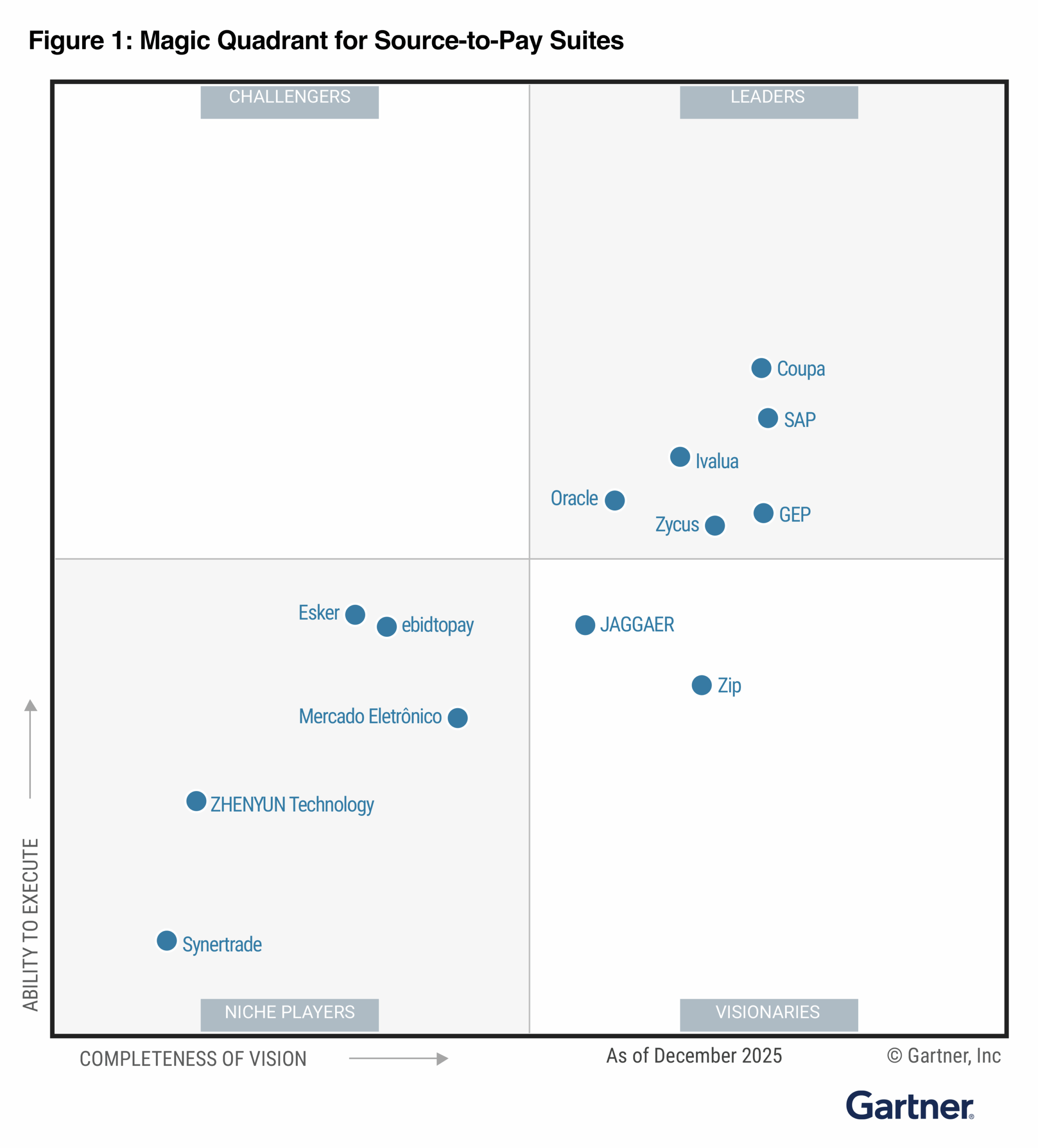
NAMED A LEADER

in the 2026 Gartner® Magic Quadrant™ for Source-To-Pay Suites

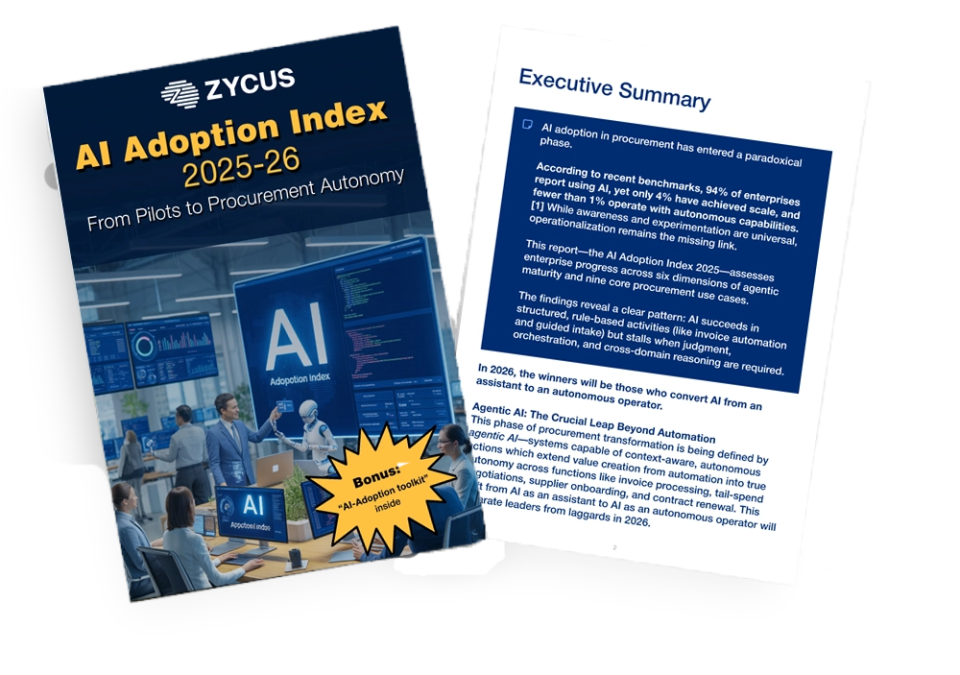
Before You Go: Can You Afford NOT to Know Your AI Score?

The speed of Agentic AI adoption is creating two groups: those ready to outperform and those about to be left behind. Download the Index now to secure your 2026 strategy.